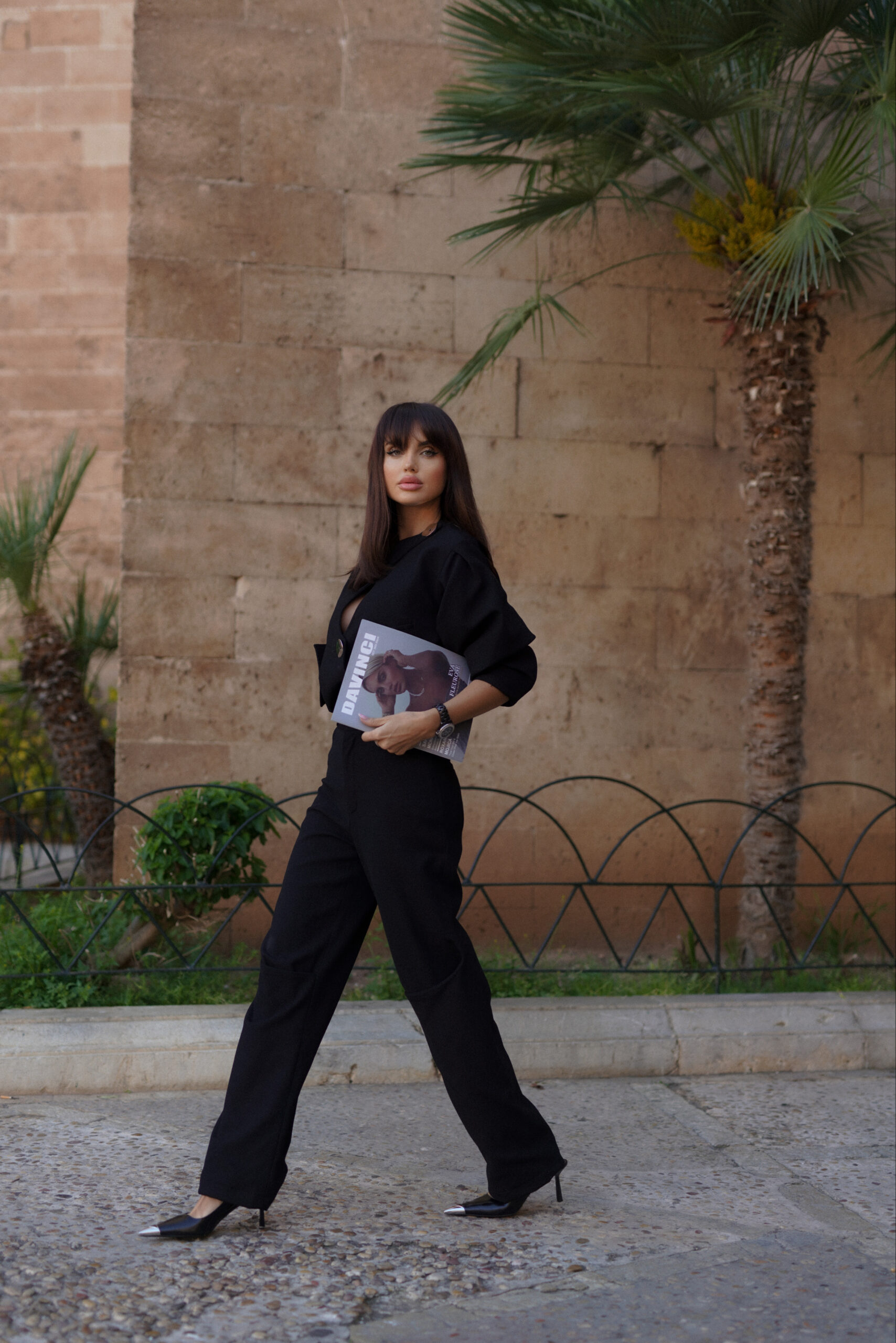


Paris Fashion Week, Le Marais to Palais de Tokyo
Paris Fashion Week is usually narrated through interiors. Invitations, rooms, seating charts. Who entered. Who was granted access?
This story unfolded outside those rooms, over time.
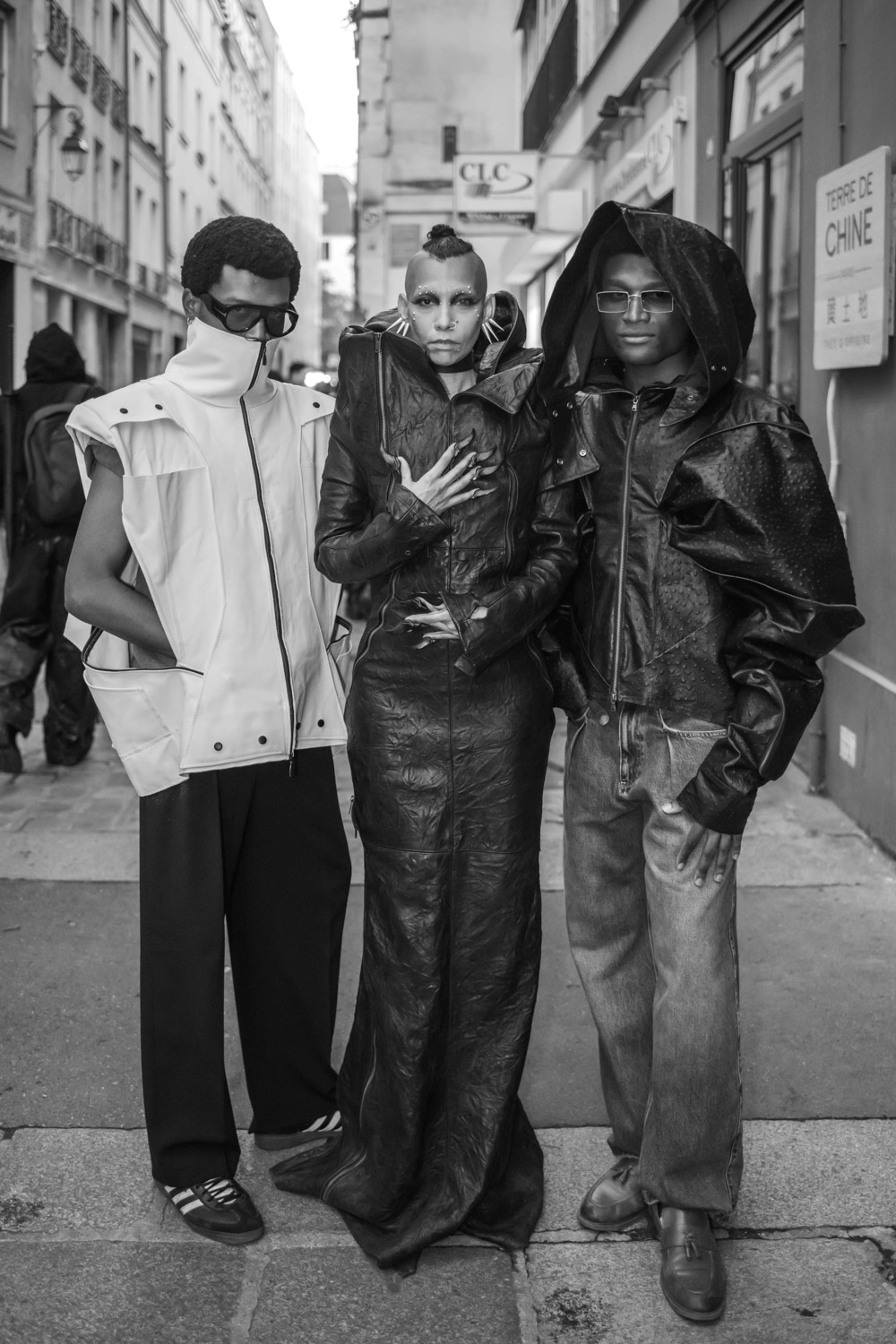
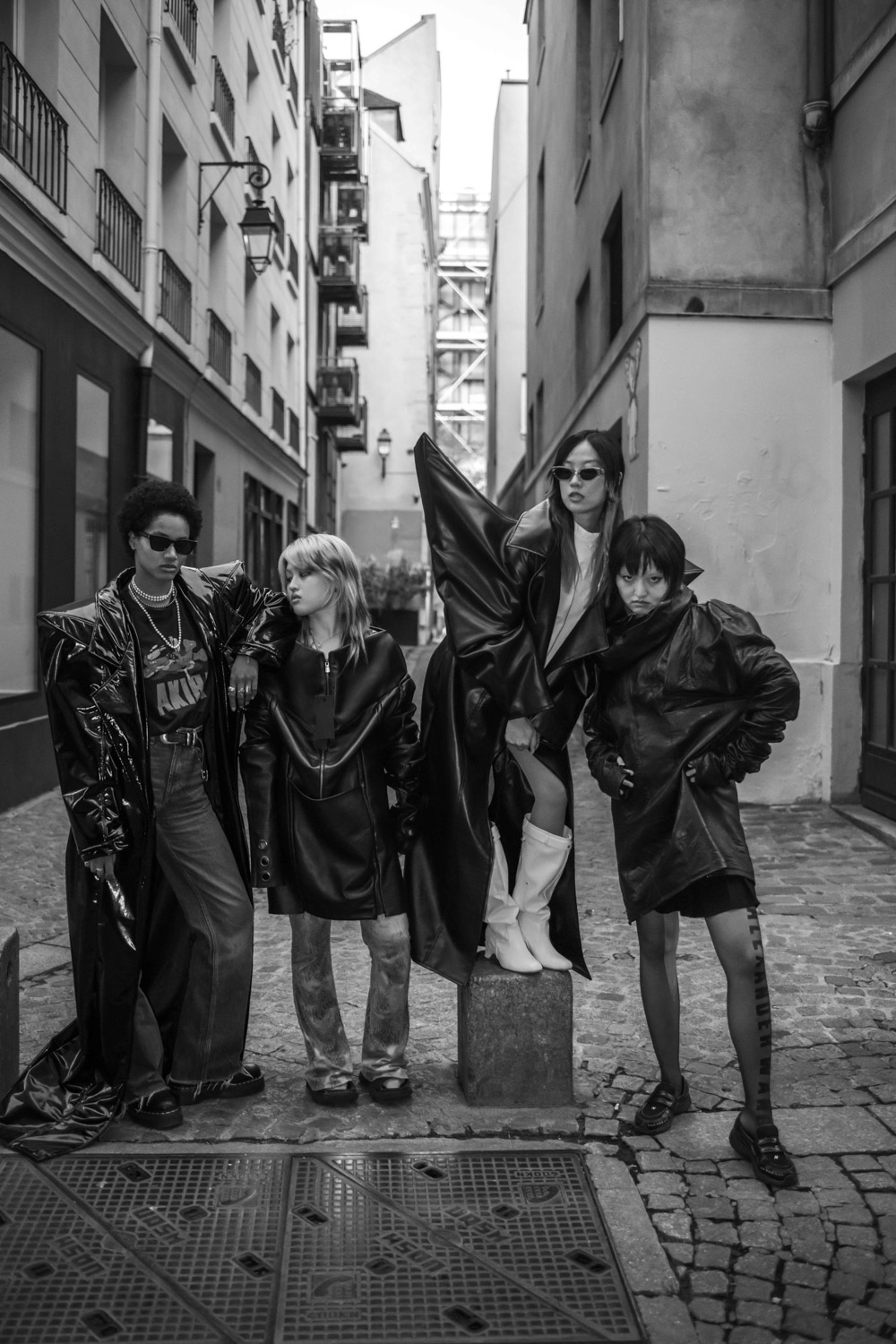
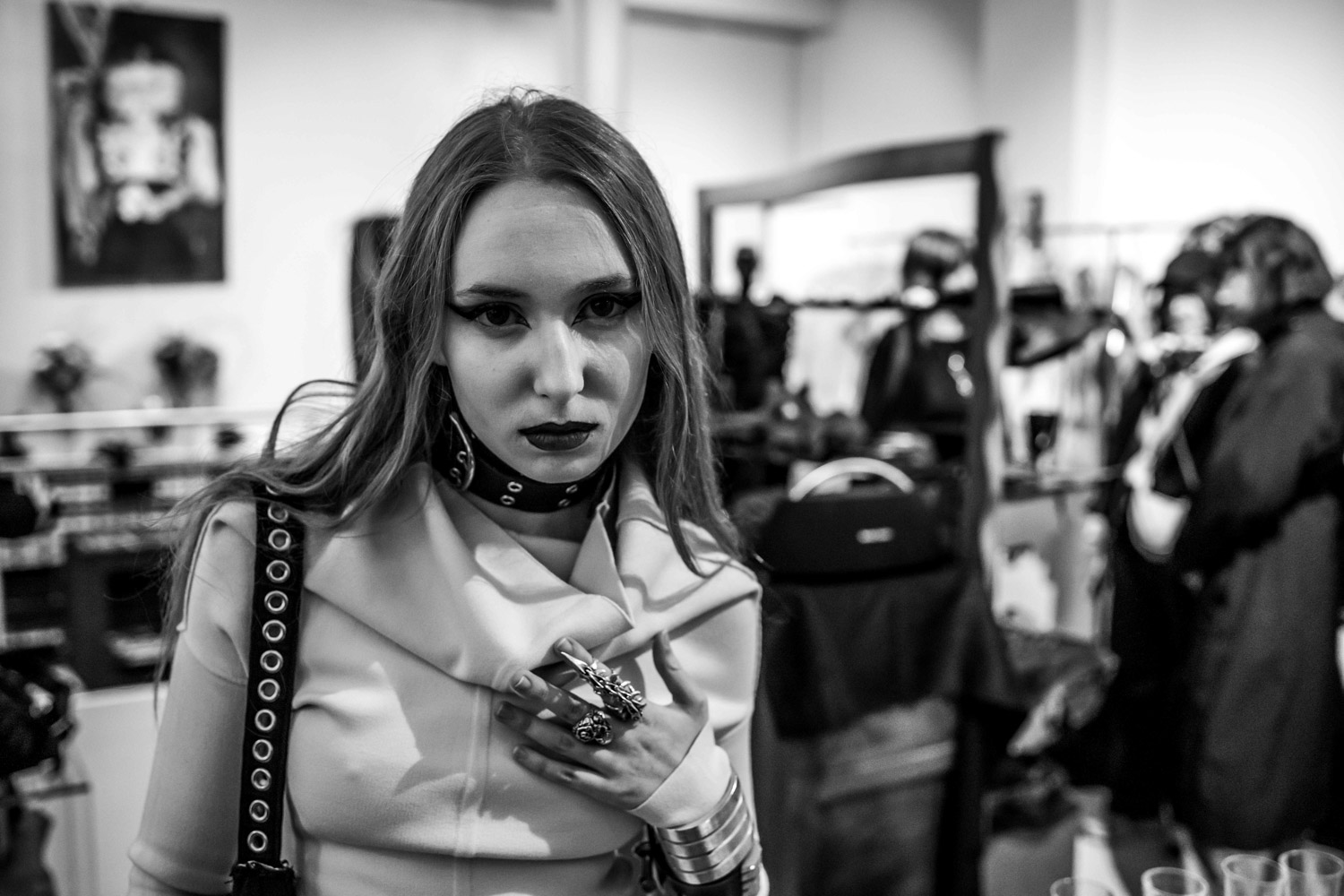
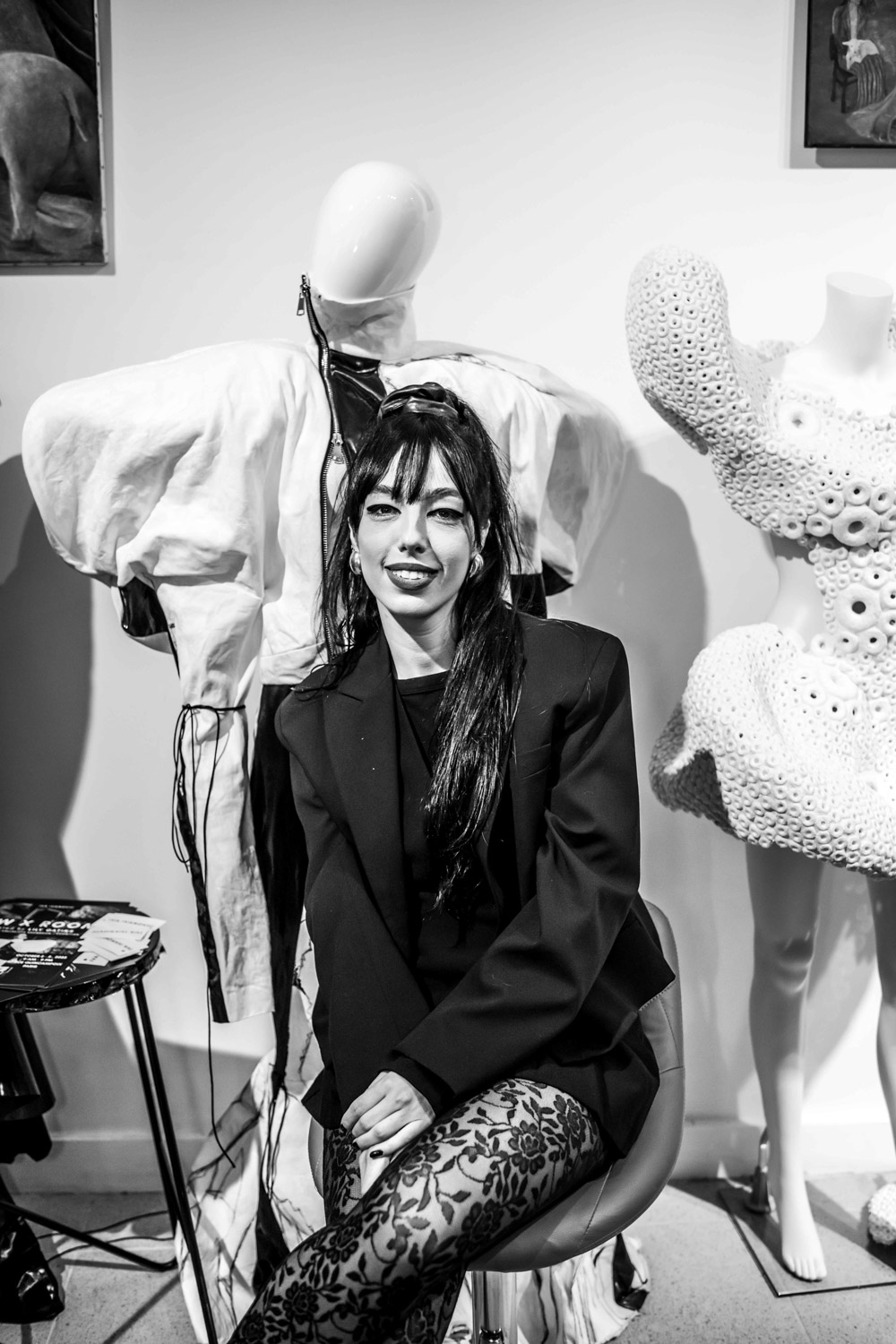
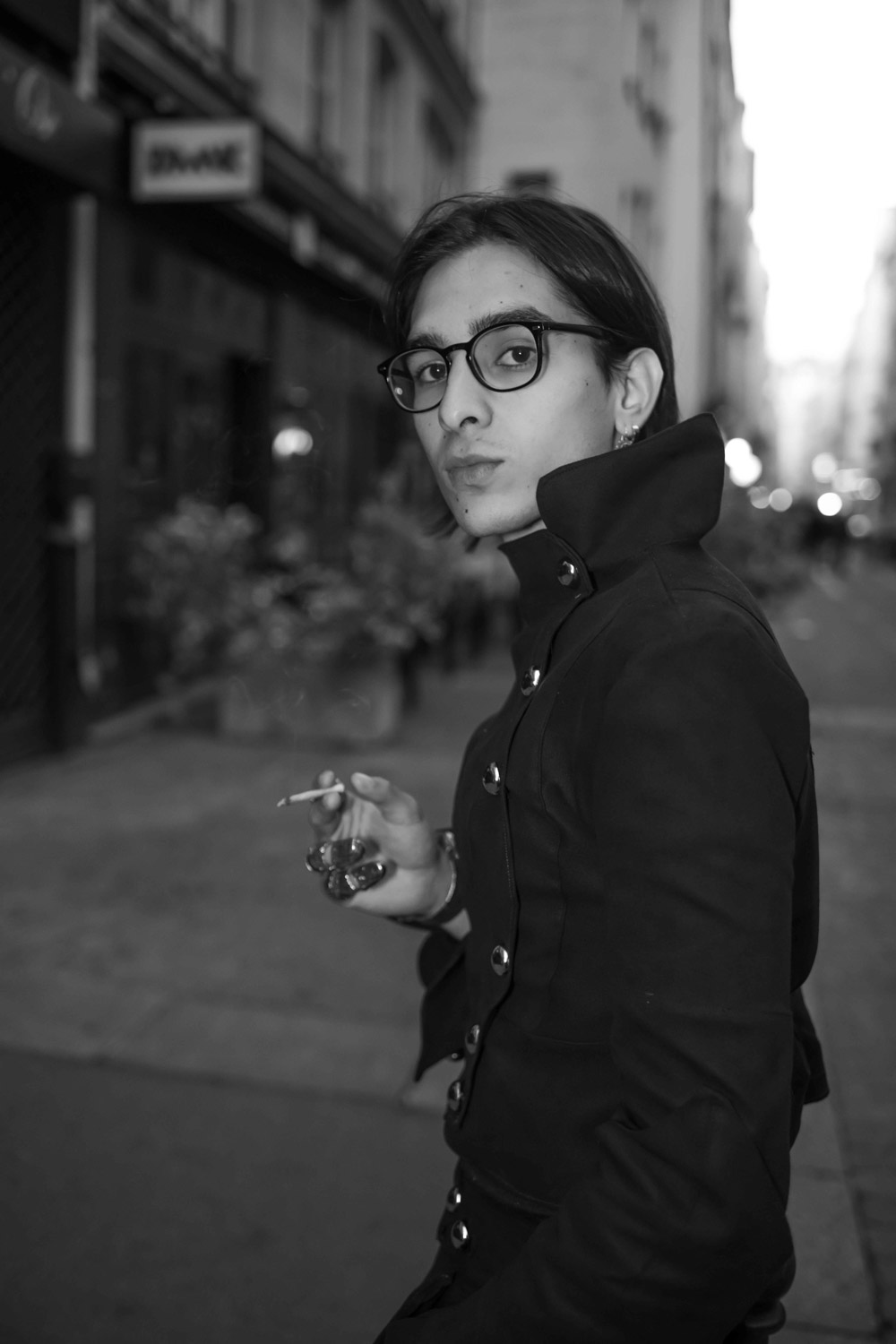
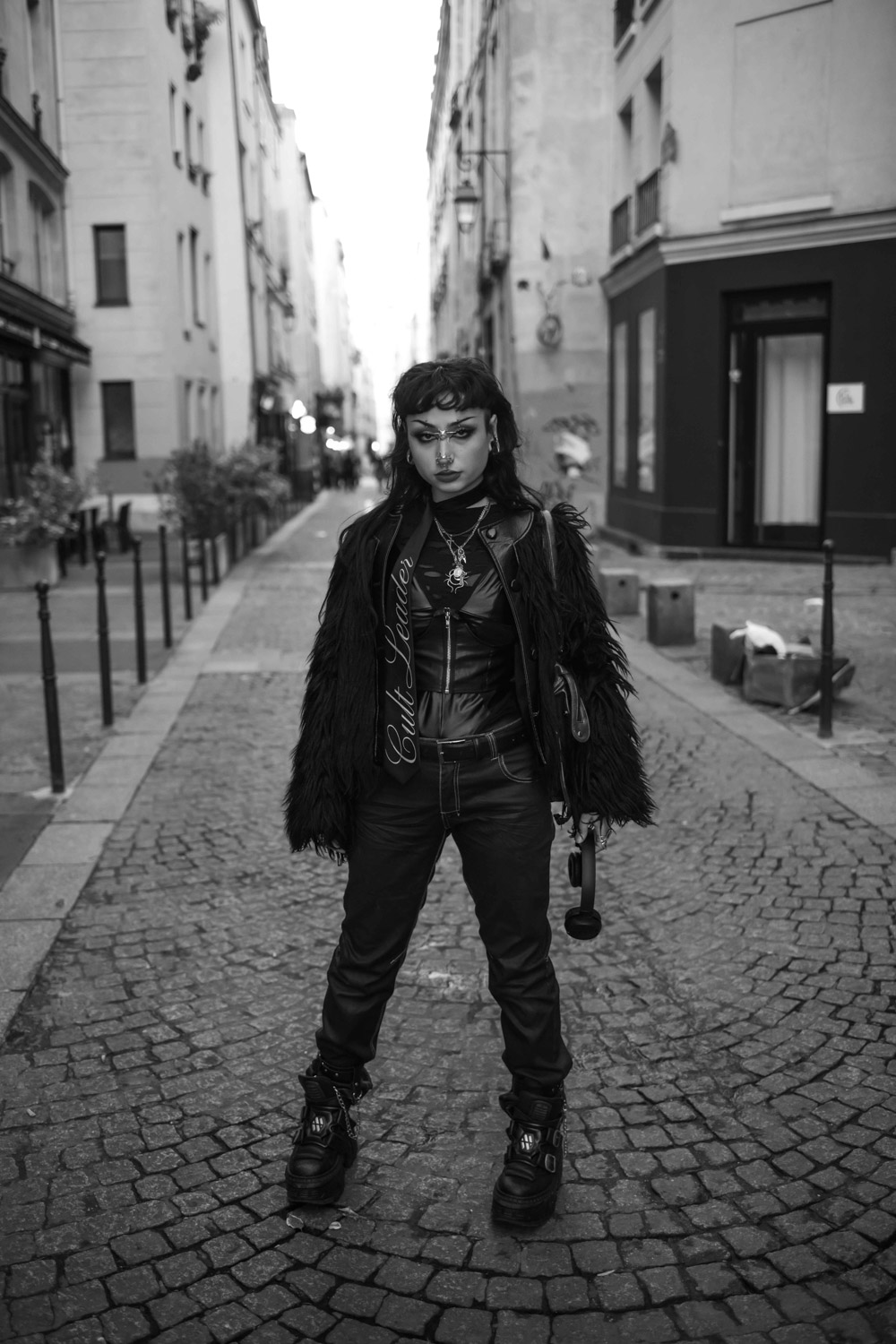
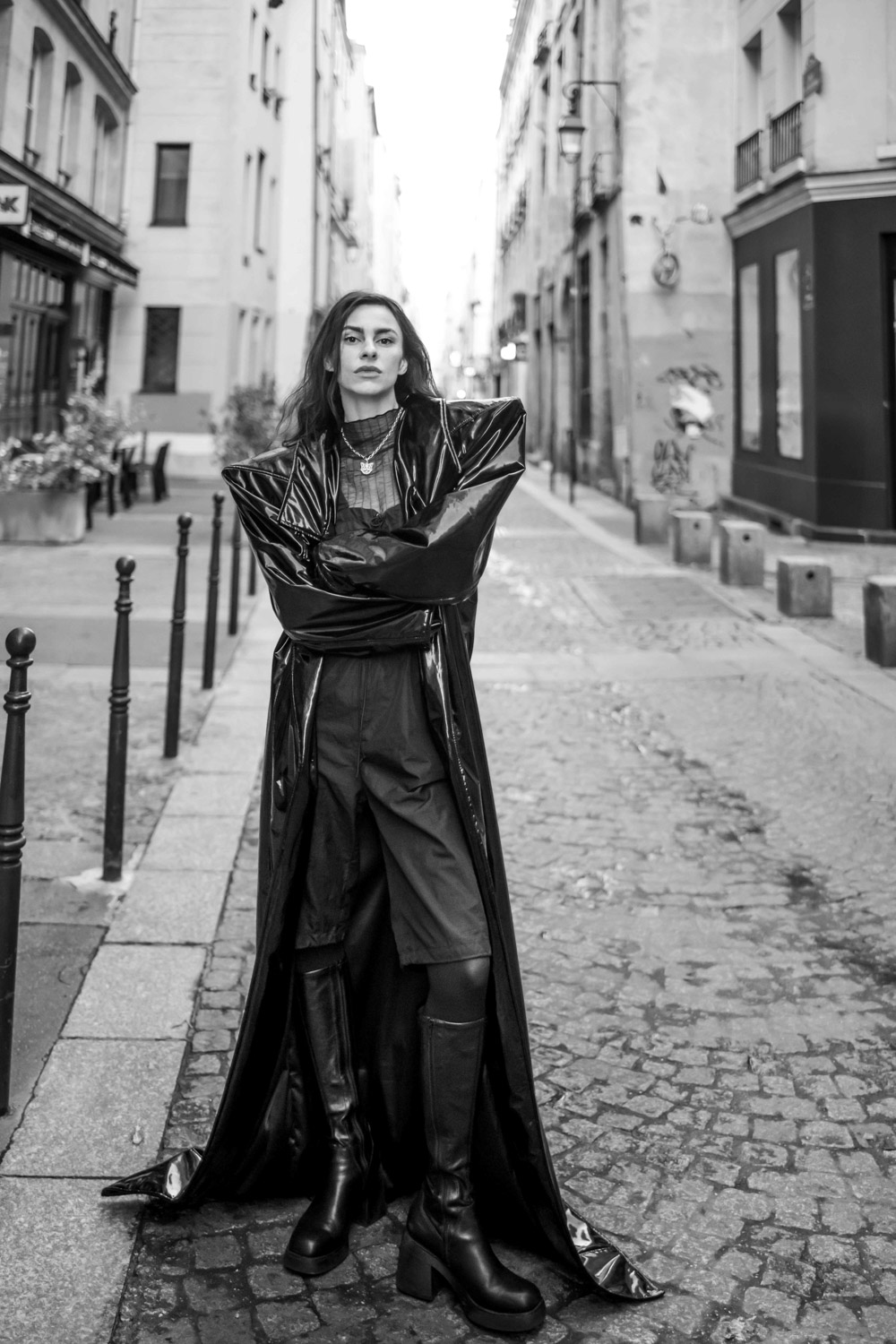
The first image comes from Le Marais, outside X_ROOM Paris, a temporary showroom hosted by Lily Gatins. It was early in the cycle, before fatigue set in. People arrived without introduction. Artists, performers, models, figures moving through fashion week without hierarchy or explanation.
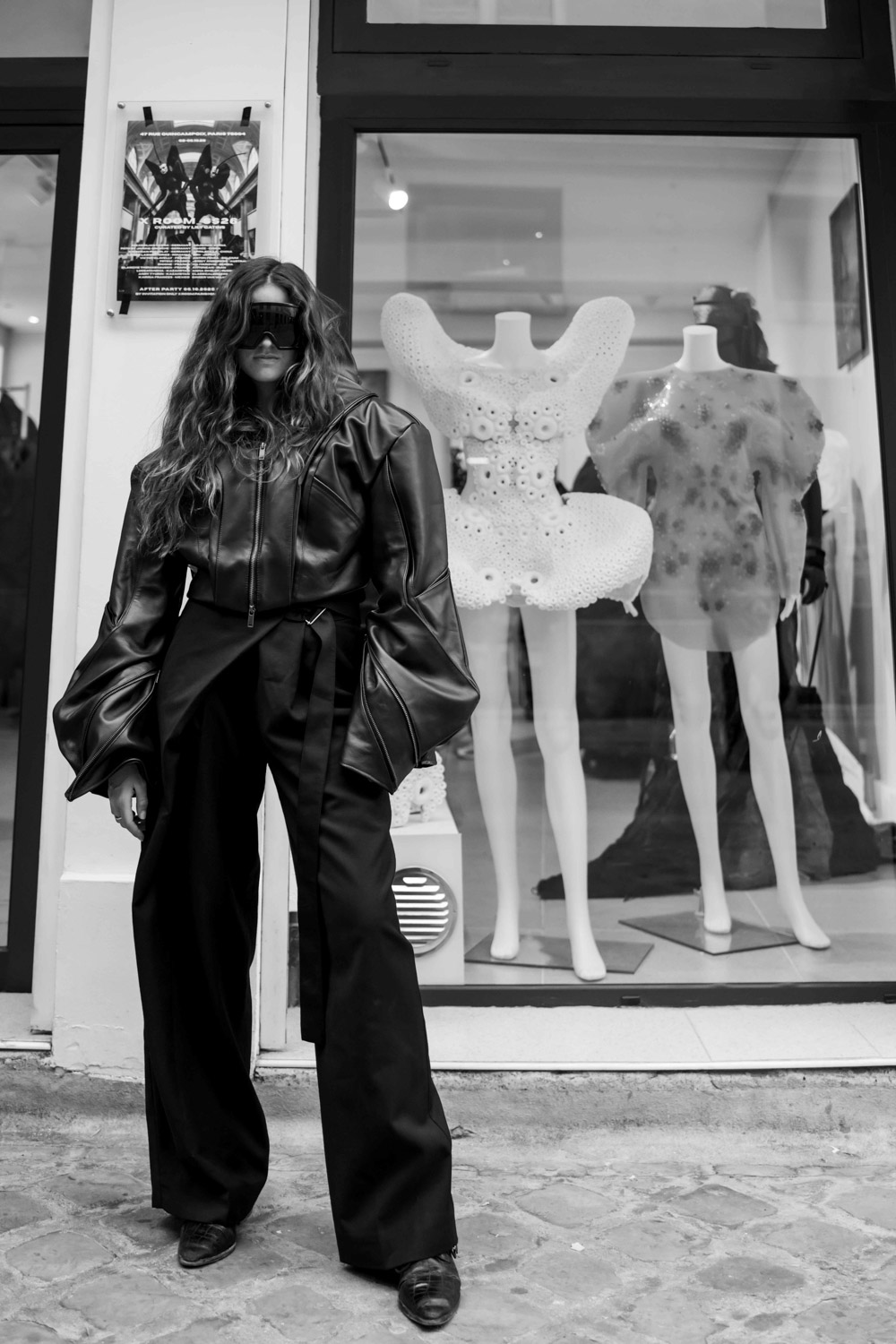
Names were secondary. Presence was enough.
The showroom functioned less as a retail environment and more as a gathering point. A place to pause, align, and observe before movement. Nothing felt staged. No one was dressing for approval or access.
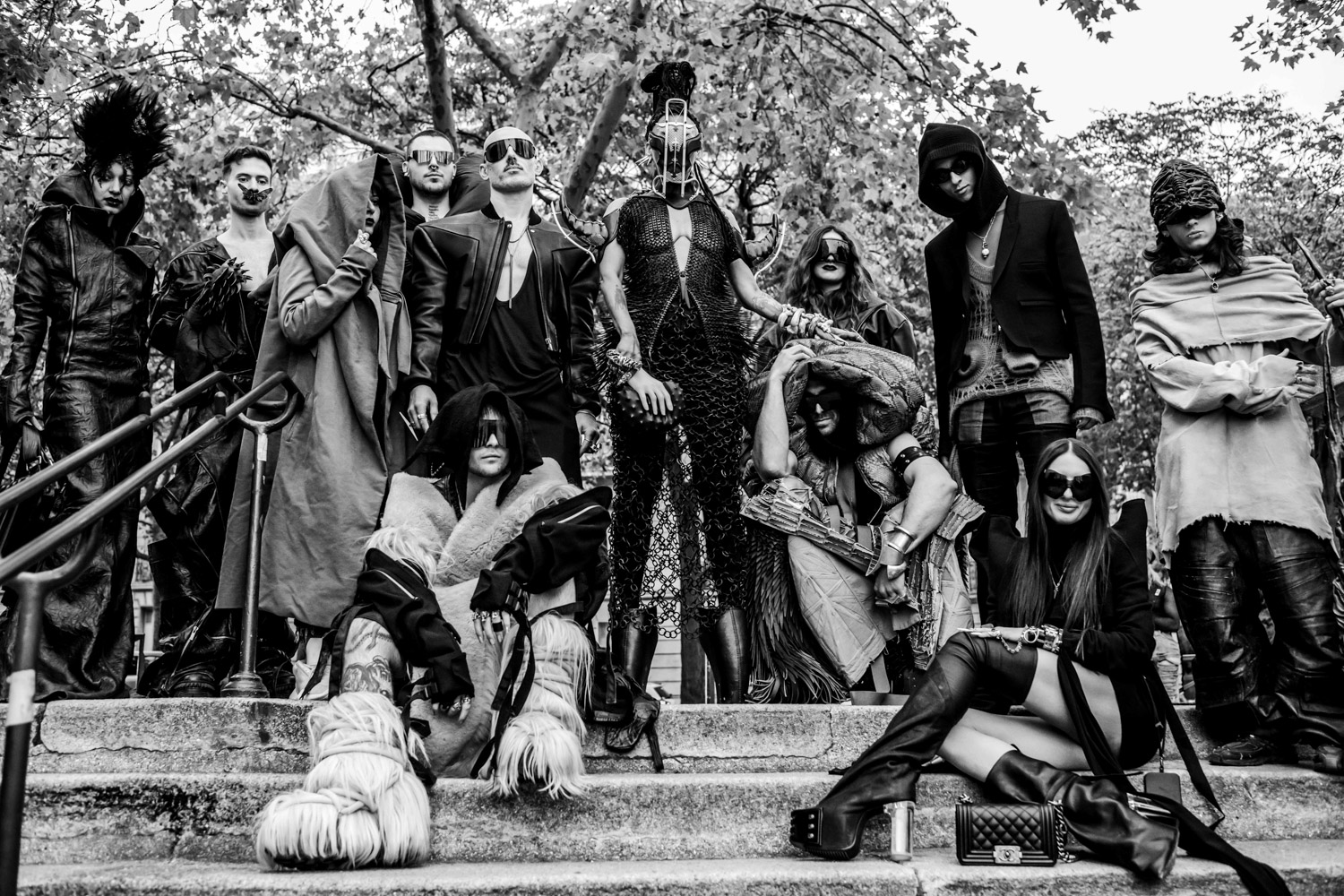
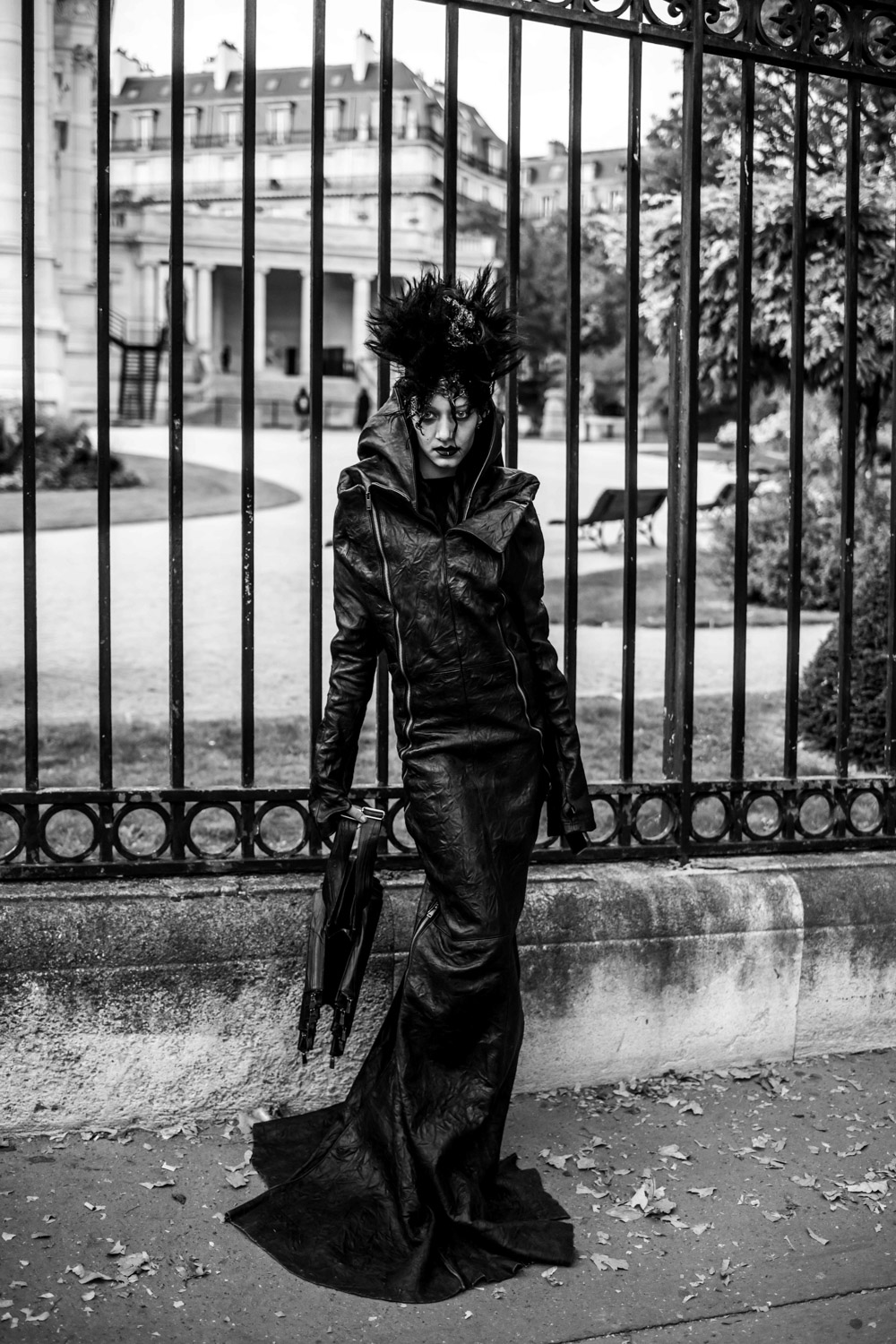
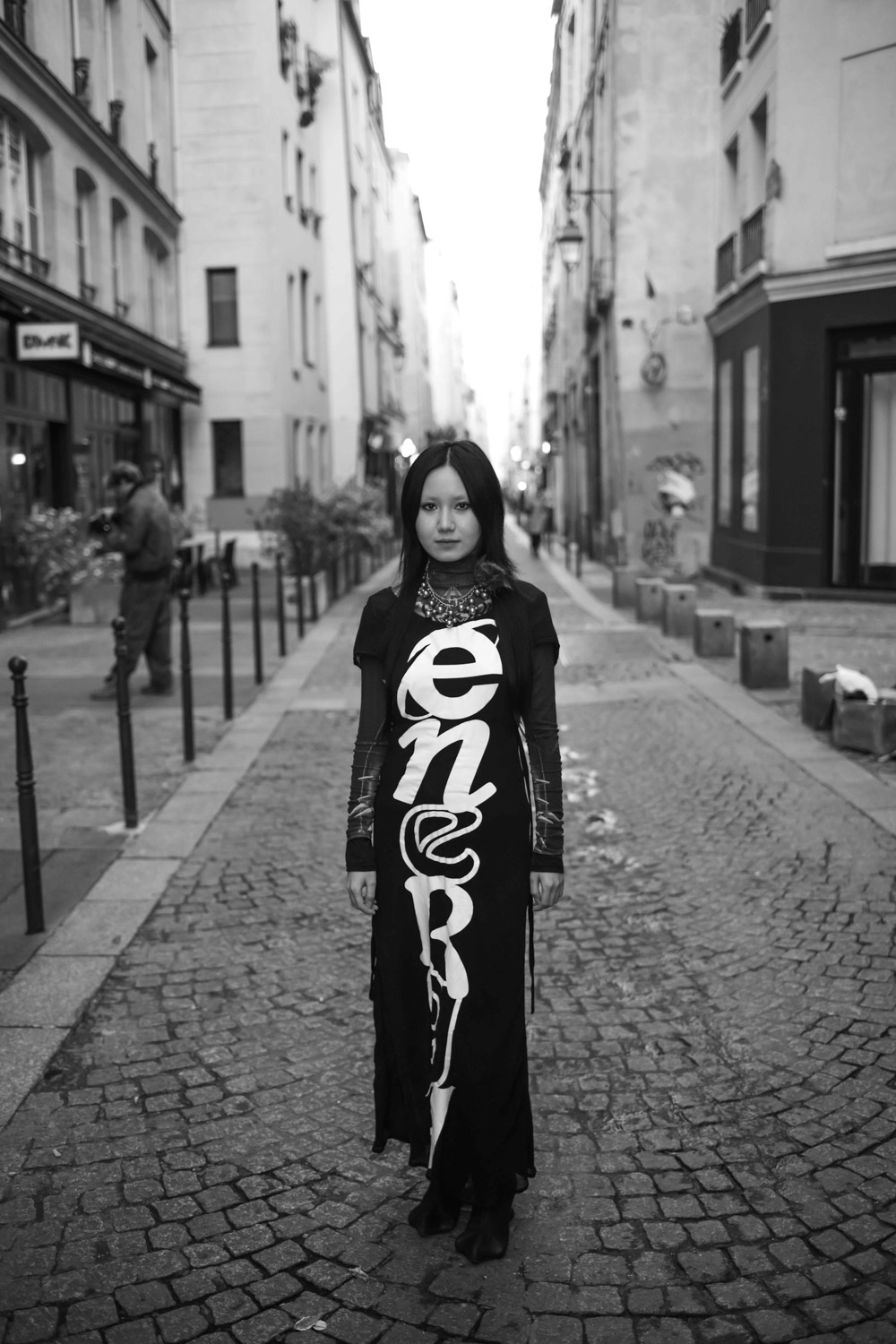
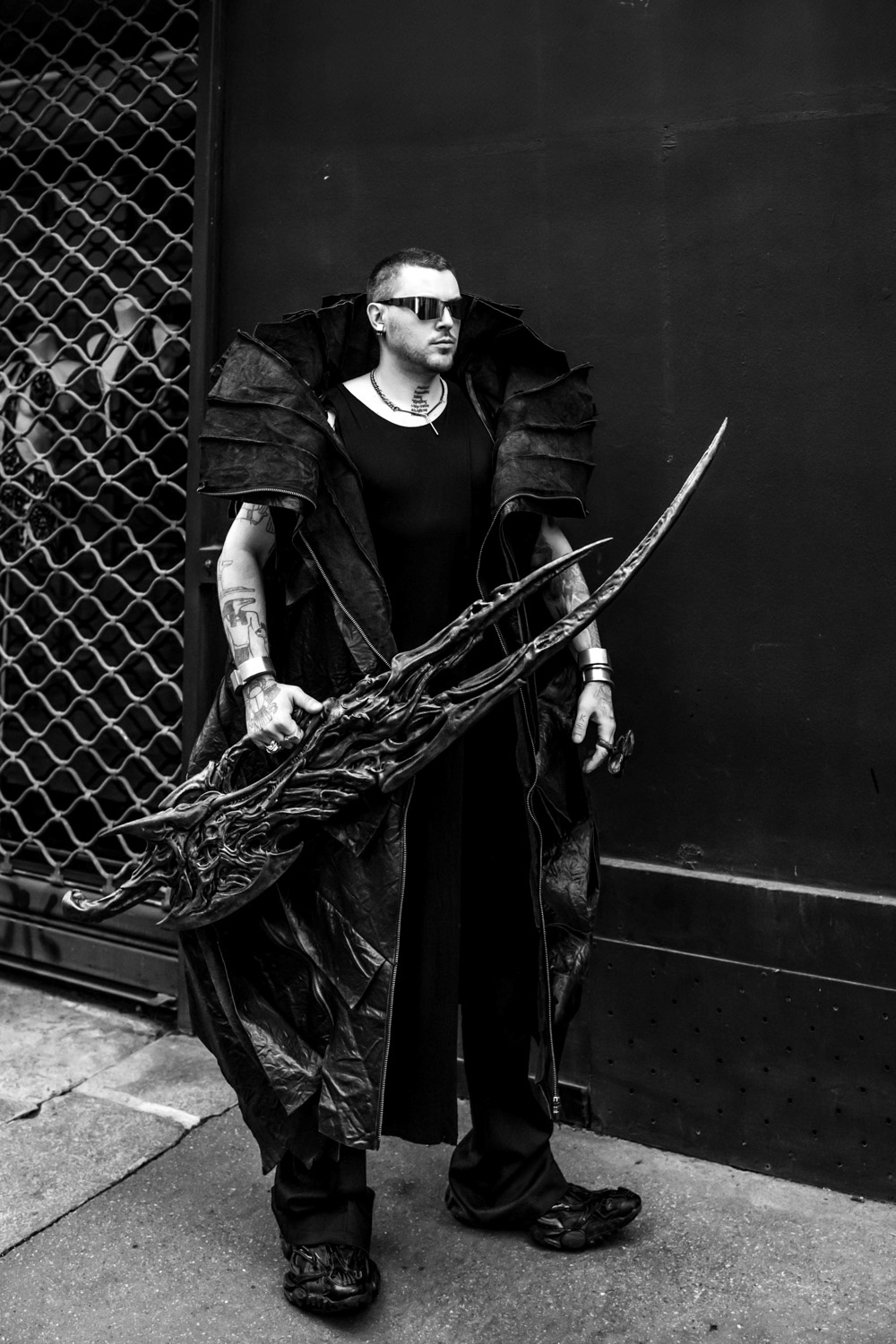
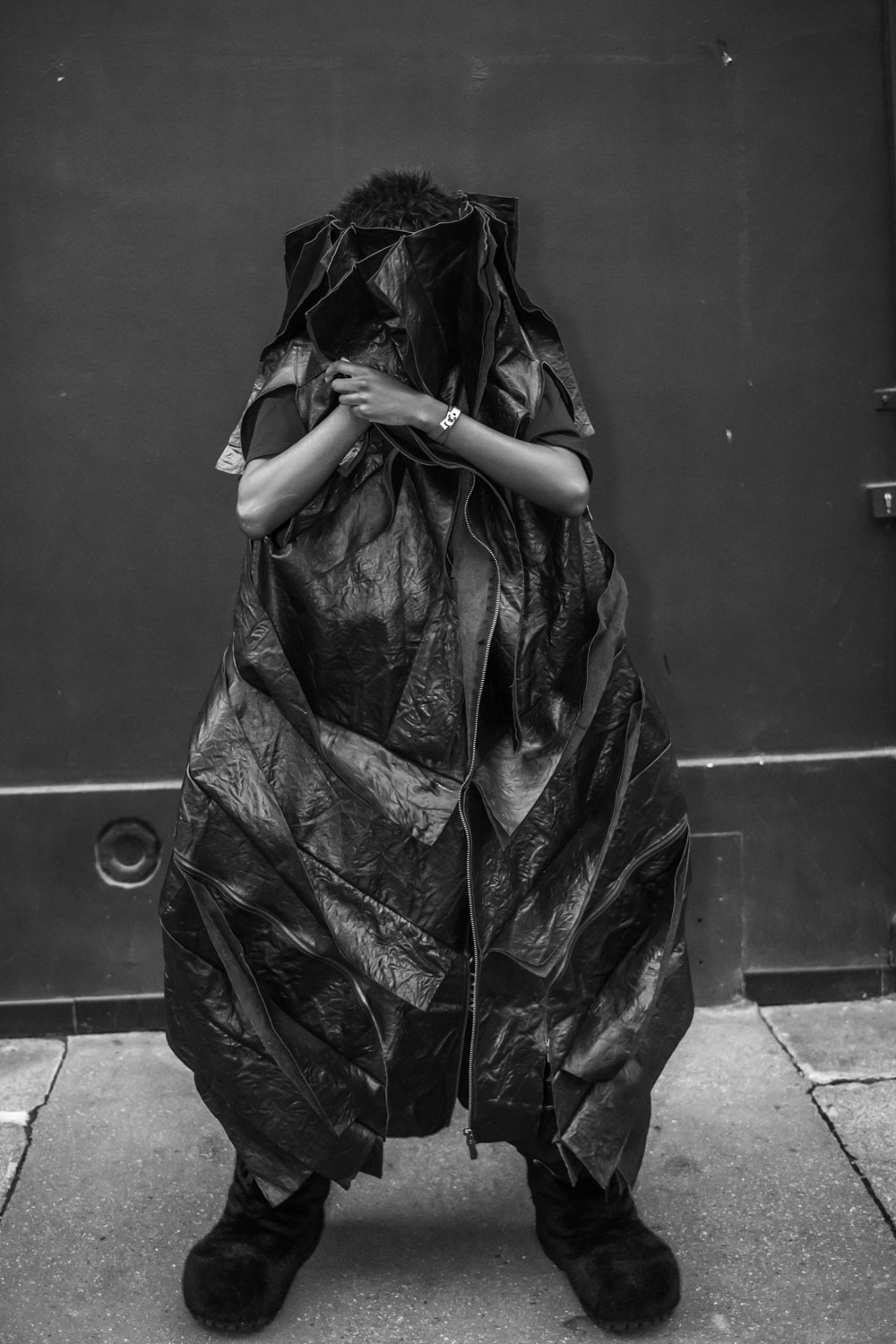
Across the images, what emerged were figures at the edge of fashion’s readability, bodies that resisted quick translation or easy placement within the industry’s usual hierarchies.
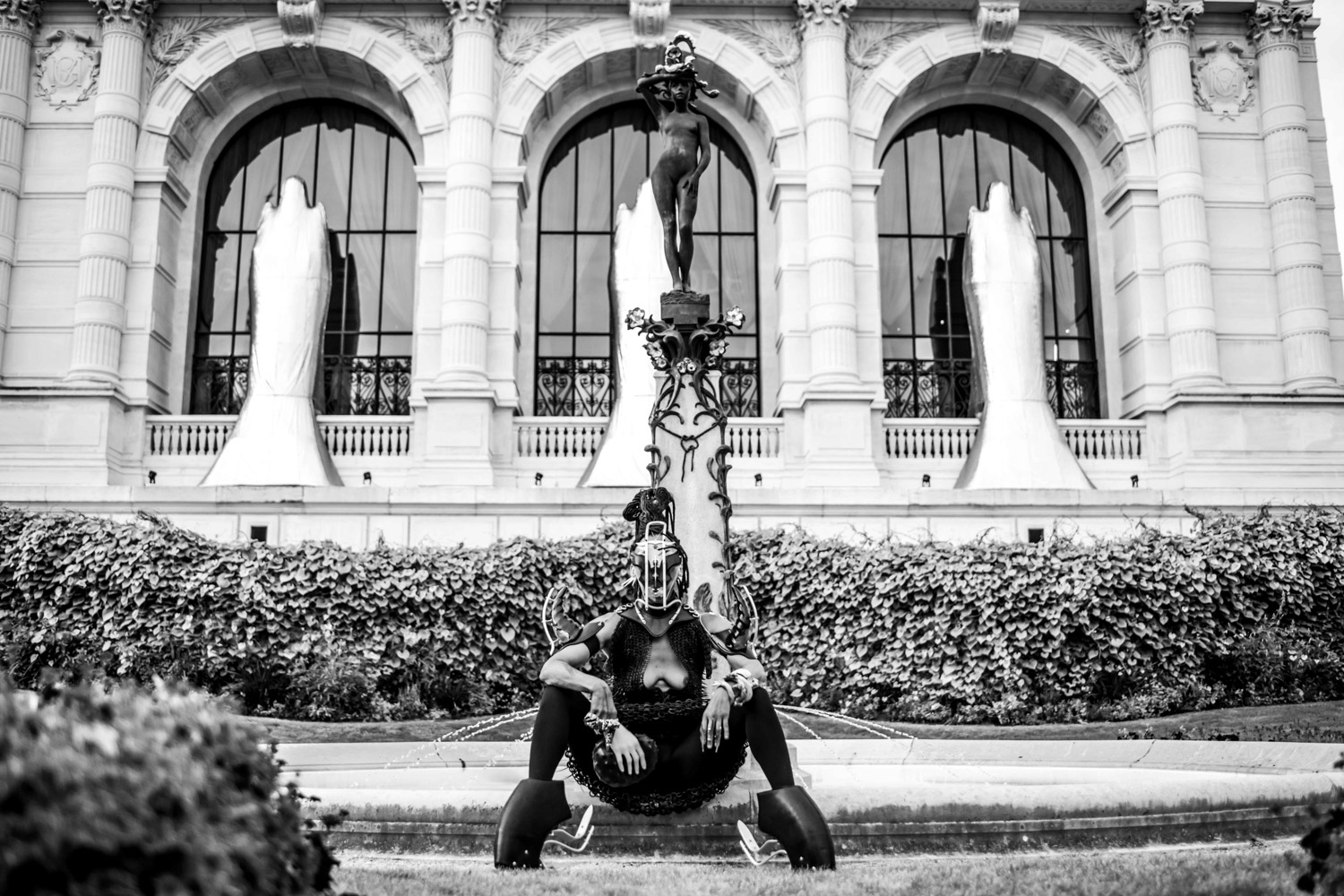
From there, we moved across the city to Palais de Tokyo, where the Rick Owens show was taking place.
We did not go inside.
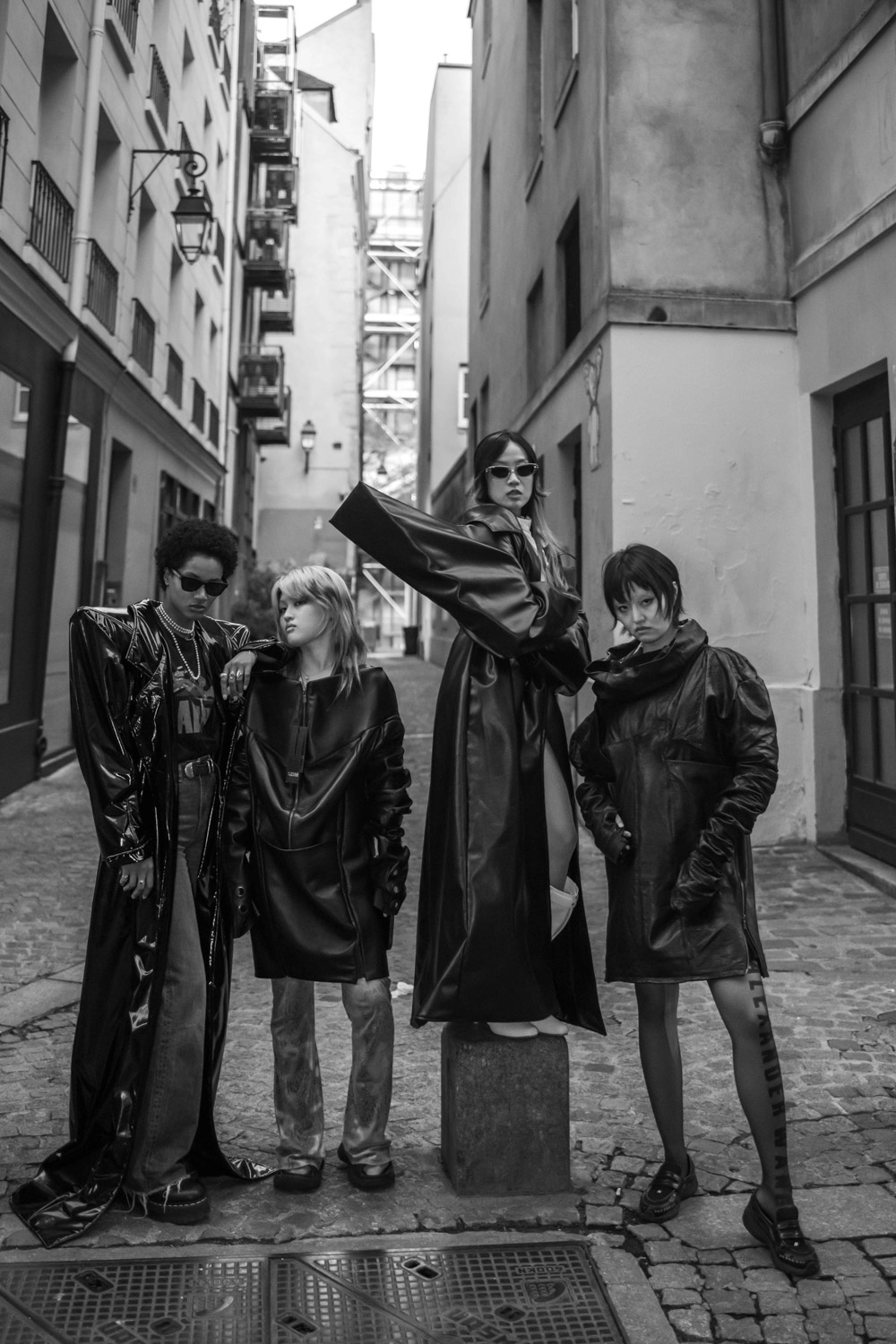
The street outside became the destination.
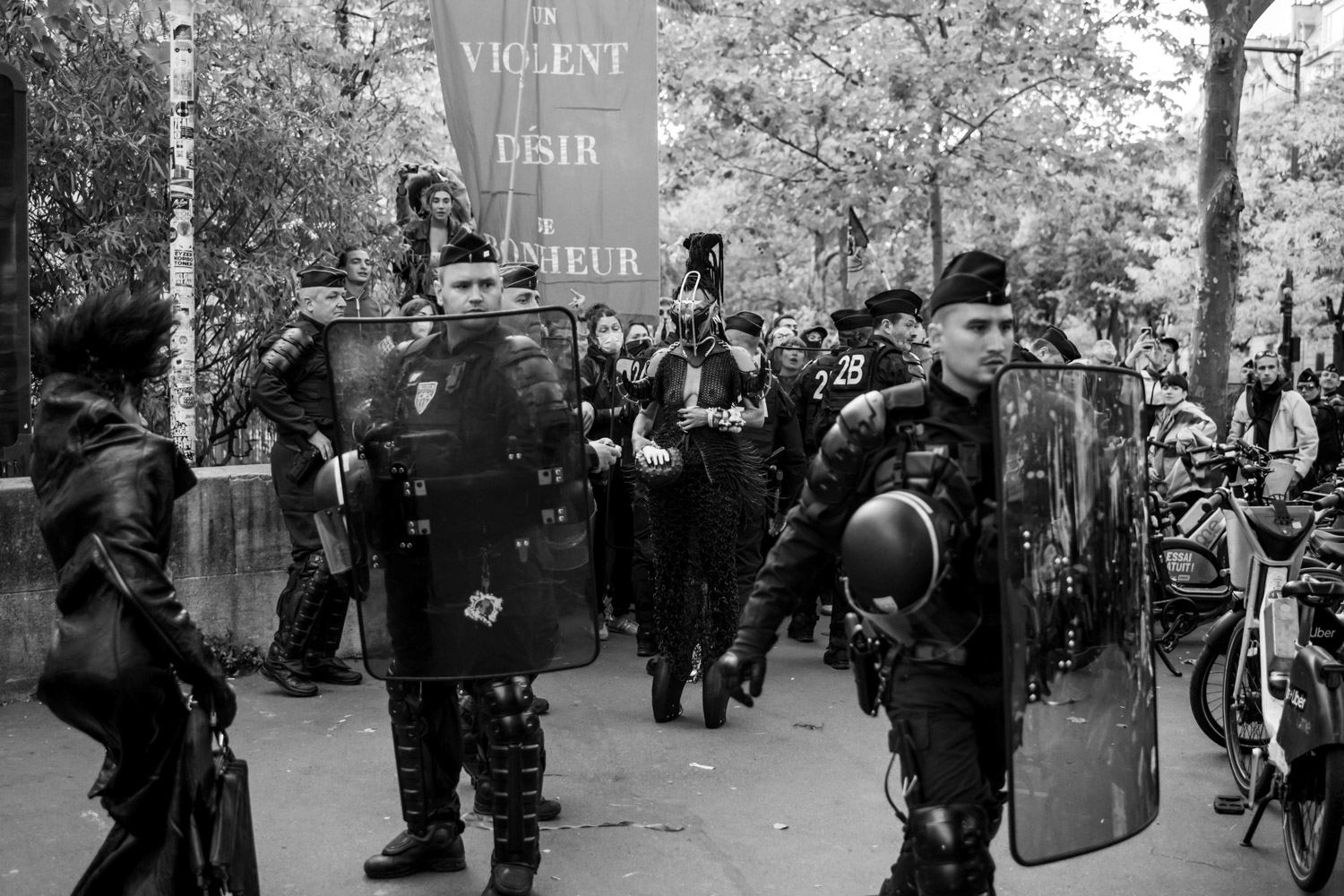
Riot police were already present, positioned for a protest unrelated to fashion week. The cause was not visible, but the posture was unmistakable. Shields raised. Faces neutral. Armor designed for control and containment.
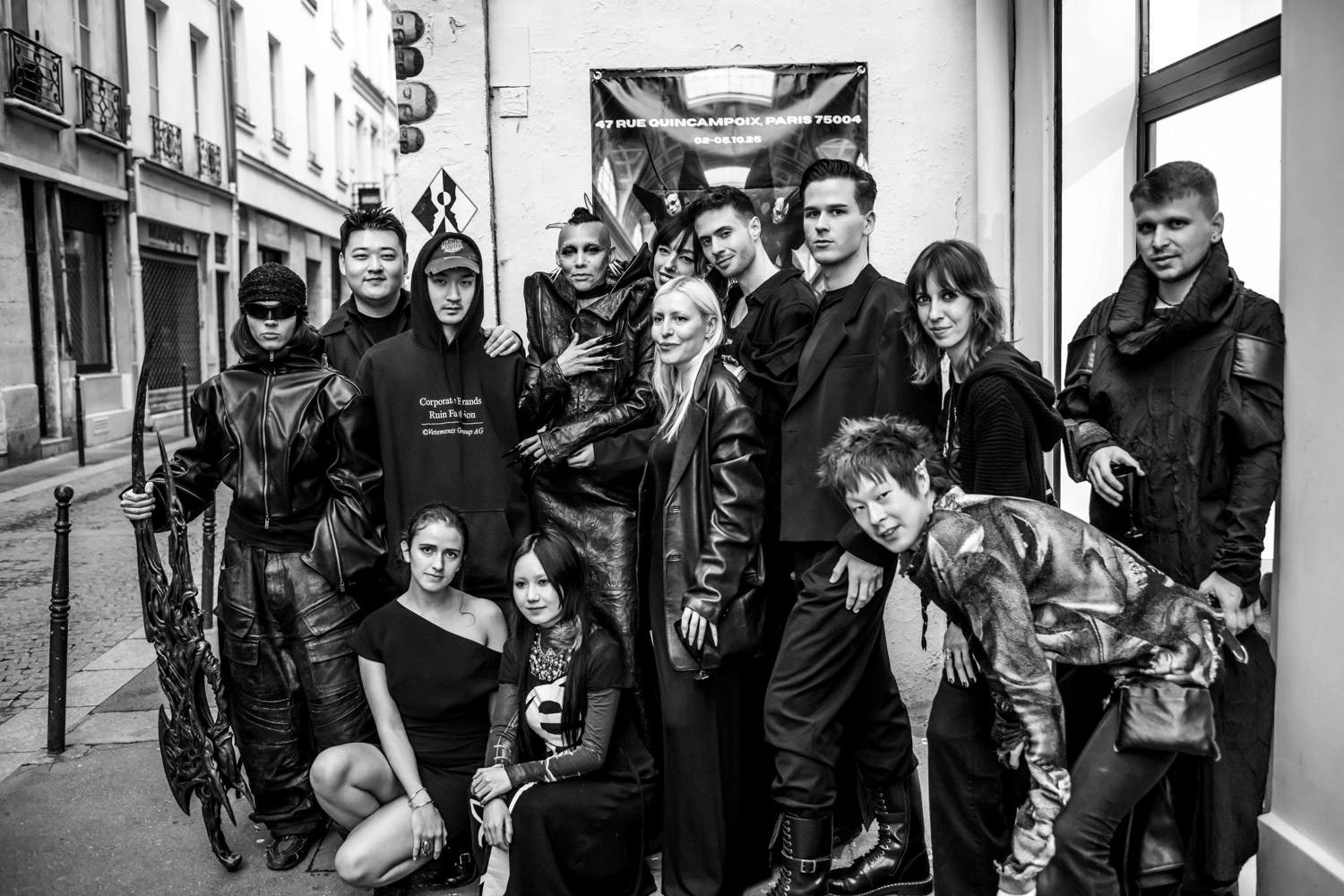
Nearby, the group gathered quietly. Leather, metal, masks, and sculptural silhouettes transformed bodies into figures rather than individuals. A different kind of armor. Chosen rather than issued.
As tensions around the protest shifted, attention turned briefly toward Lily Gatins. She was confronted and singled out, not by the police, but by protesters who questioned her presence there. In that moment, the dynamic inverted.
The police moved her into their formation.
The images that followed are where the essay sharpens. Gatins stands among riot police, visually absorbed into an apparatus designed for protection and order. Not as a protester. Not as a participant in unrest. Simply as a body requiring separation from volatility.
The contrast is stark.
A figure associated with fashion, spectacle, and cultural assembly momentarily sheltered by the very institution often framed as its opposite. Armor beside armor, but serving different functions.
No escalation followed.
The street held its position.
Two systems of urgency occupied the same public space for different reasons. Authority prepared for disorder. Presence assembled without explanation. The city allowed both without resolution.
Rick Owens’ work has long existed in this territory, where clothing functions less as a trend and more as structure. Standing outside the show, rather than entering it, felt aligned with that logic. The threshold itself carried meaning.
Access was not the point. Visibility was.
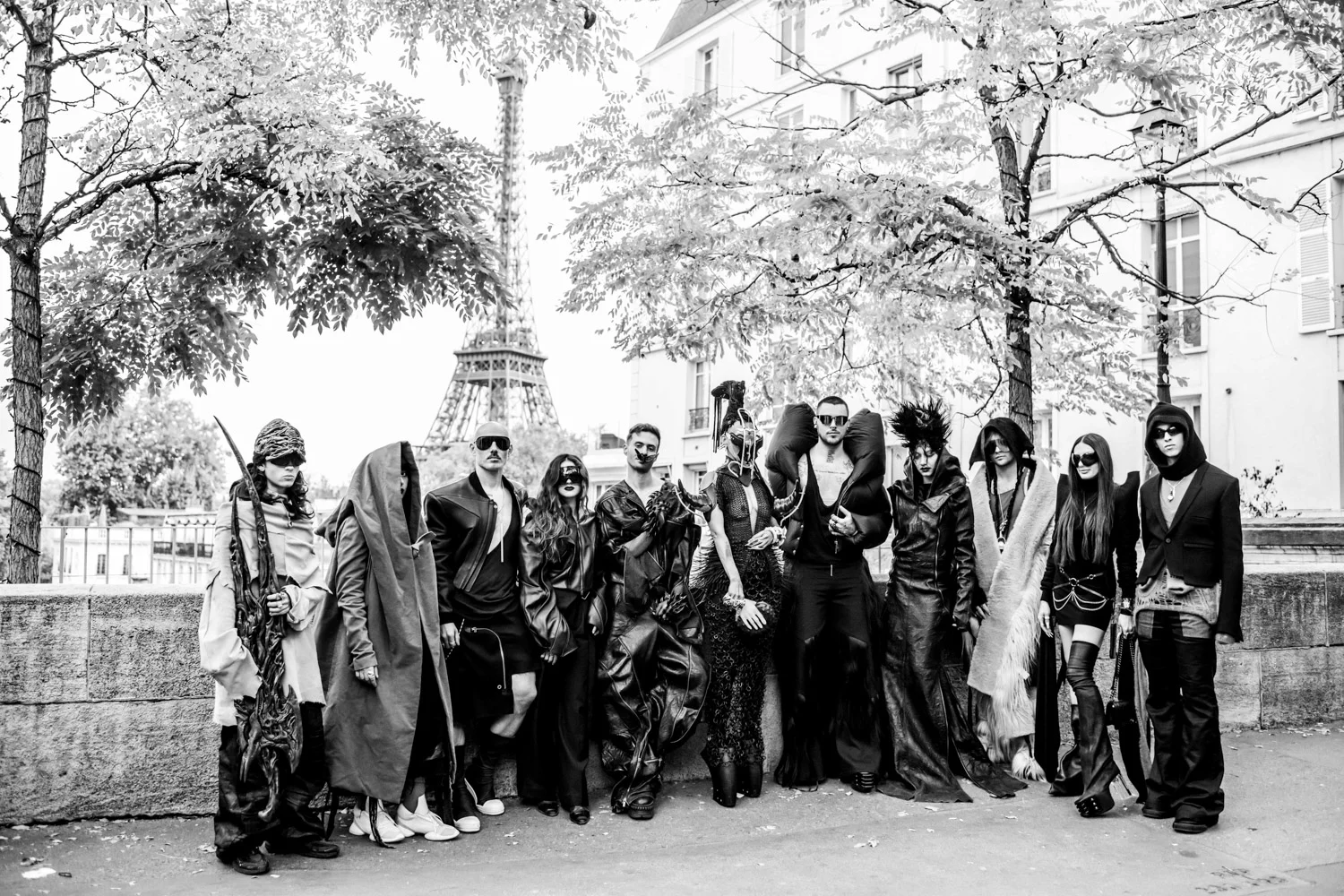
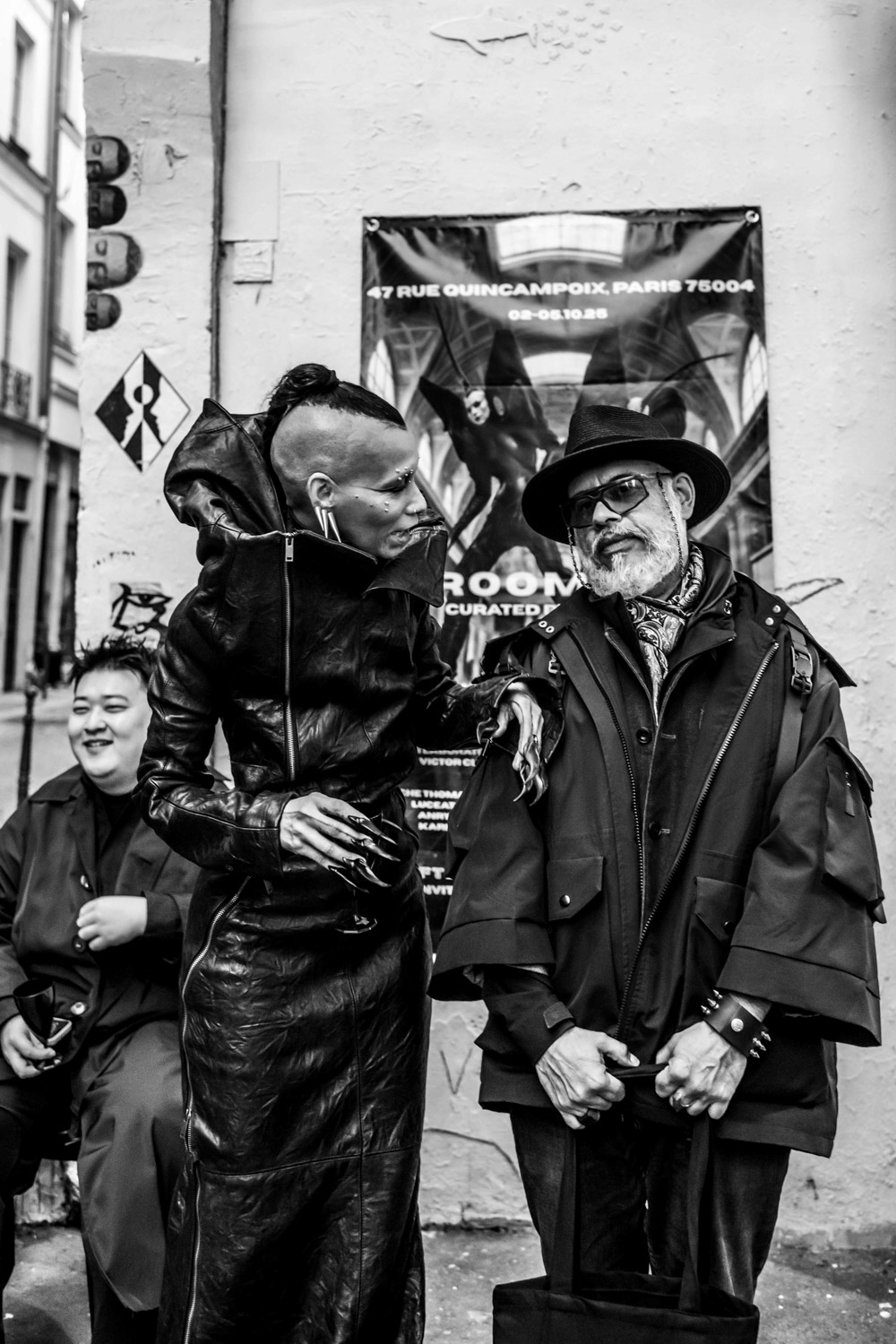
The final images return to Le Marais, on the last day of X_ROOM Paris, after several long days of operating. The room feels different now. Fewer arrivals, more residue. Bodies linger rather than assemble. Energy settles.
These are not closing shots in the traditional sense. They are records of the aftermath. Of what remains once the movement has passed and the city begins to reset itself.
Paris absorbs these moments without ceremony. Le Marais has always allowed that. It holds contradiction, fatigue, and renewal in the same frame.
The images made these days are not fashion coverage. They are not protest documentation. They are not street style.
They are records of proximity and duration. Of bodies moving between systems without fully belonging to either.
We gathered.
We moved.
We returned.
We stood long enough to be seen.
Then the city continued.
I’m interested in where Lily Gatins chooses to assemble people next, and what kind of presence that space will require.