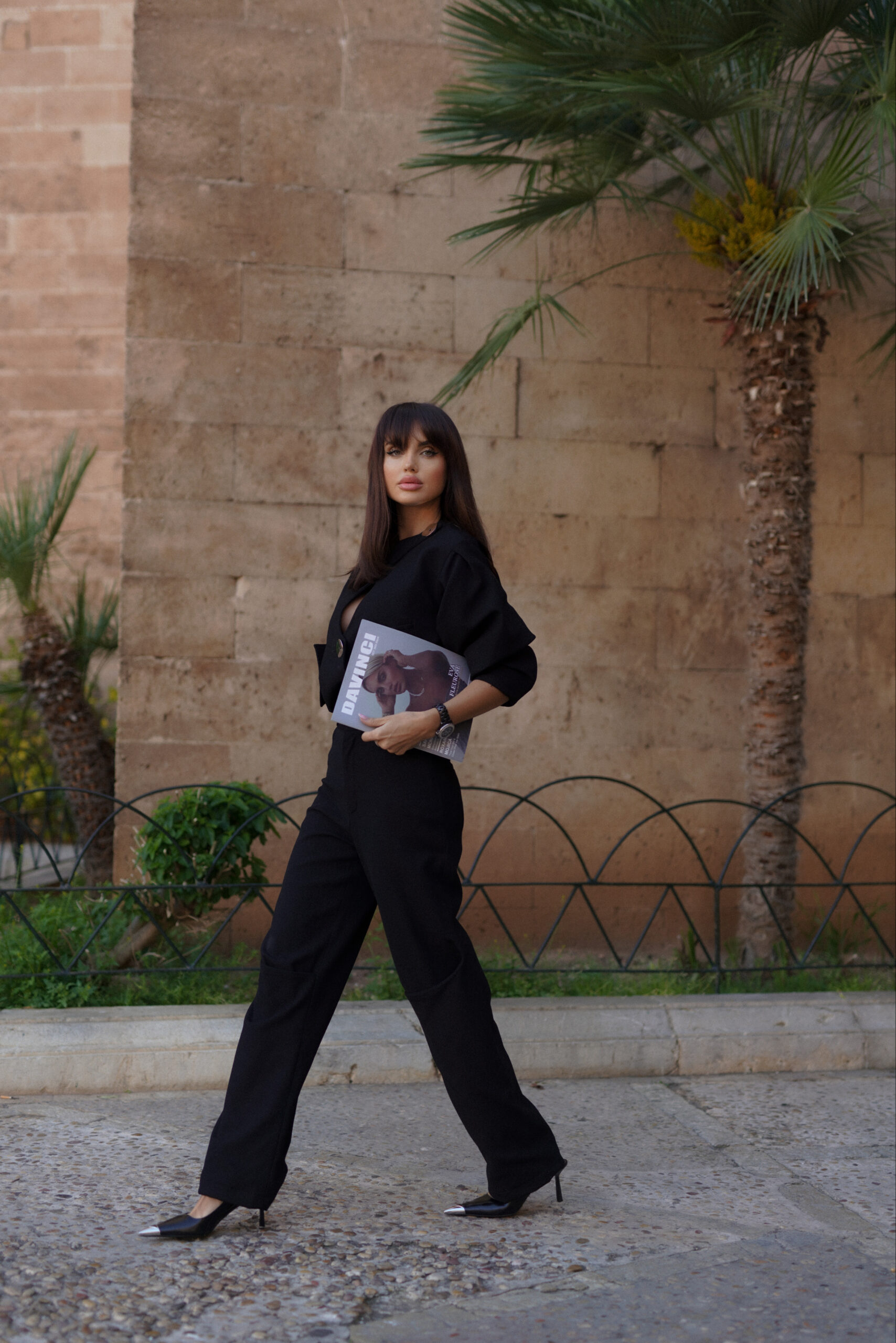


Fashion has always moved quickly, but the infrastructure behind its imagery has not always kept pace.
A traditional campaign requires models, photographers, stylists, hair and makeup teams, studios, samples, retouching and coordination across multiple schedules. Meanwhile, brands are releasing new products at a pace increasingly shaped by e-commerce, social media and consumers who expect to see an item almost immediately.
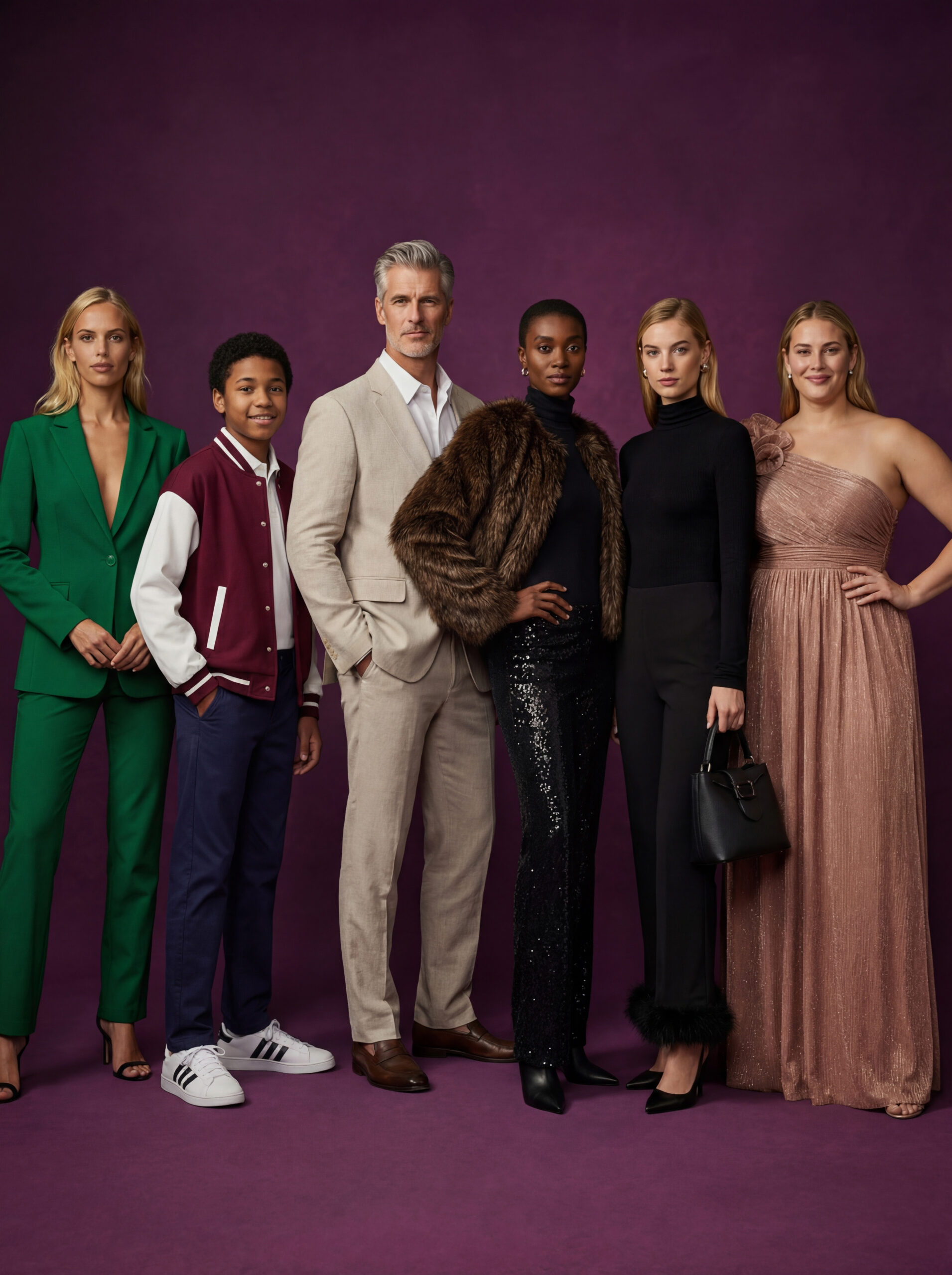
Artificial intelligence is beginning to change that equation.
For Vita Mallela, co-founder and CEO of AI-native visual commerce platform Lumesa, the biggest transformation is not simply the ability to generate an image. It is the possibility of separating content production from the limitations of a physical photoshoot.
Brands can now create on-model imagery from digital garments, including products that have yet to be physically manufactured or photographed. Mallela says one billion-dollar-plus multi-brand apparel company working with Lumesa creates imagery directly from 3D digital garment renders for pipeline products without requiring physical samples. According to Mallela, the company doubled its production volume within six months.
The result is a fundamental change in timing. Instead of waiting weeks for samples, shoots and post-production, imagery can potentially be prepared alongside the product development process.
From One Photoshoot to Hundreds of Possibilities
Speed may be the immediate attraction, but scalability could prove more consequential.
Mallela says brands using these systems can see cost savings of 70 to 90 percent compared with traditional physical photoshoots, while creating significantly more imagery from the same budget.
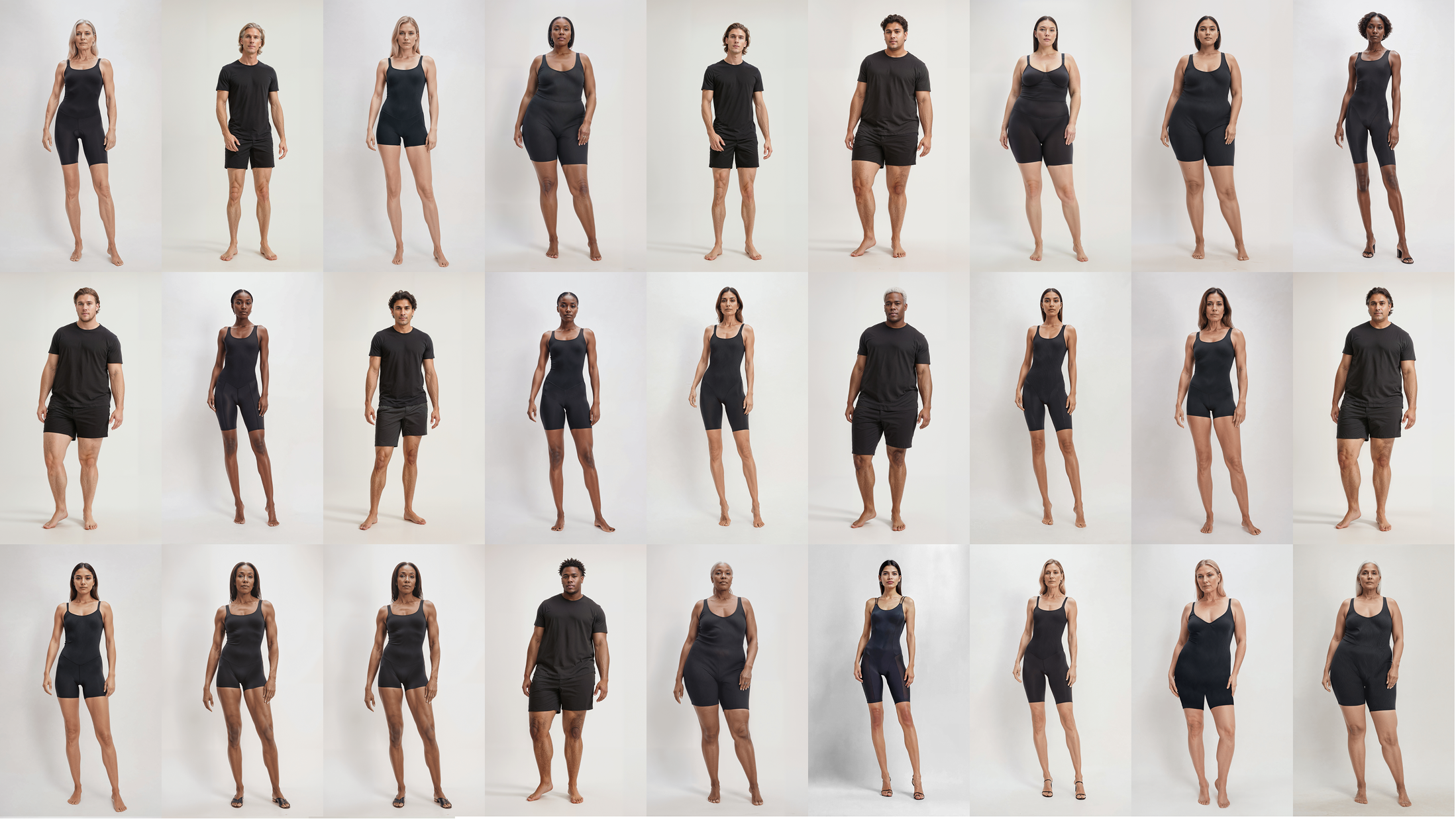
That scale also introduces possibilities that would be difficult to accomplish through conventional production alone. A single garment could be presented across different body types, colorways, locations and styling concepts. Virtual try-on takes personalization further. Lumesa’s virtual try-on tool, Lumesa Mirror, already lets shoppers see products on themselves by uploading a photo, selecting a model or building a full look..
For fashion retailers, this addresses a longstanding limitation of e-commerce. A shopper might love a dress but only see it photographed on one model, in one color and styled one way.
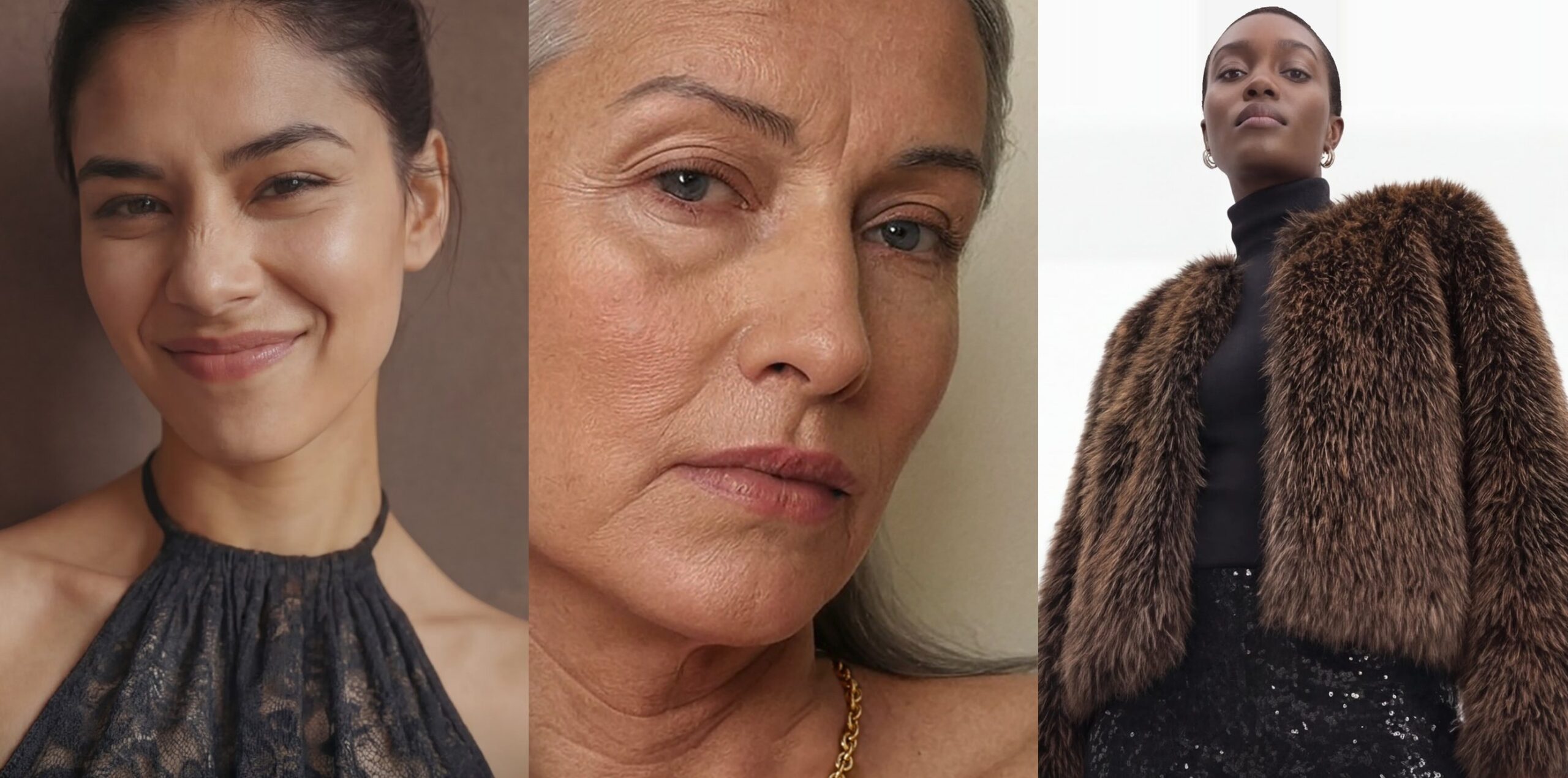
AI can multiply those perspectives.
Yet more content does not automatically mean better content.
“The catch is that scale only counts if the content still looks like the brand,” Mallela says.
That distinction could become increasingly important as generative tools become widely available. If every company can produce thousands of images, volume itself stops being an advantage. Creative judgment becomes the differentiator.
The Question of Authenticity
AI-generated fashion imagery also introduces an unavoidable question: What happens to authenticity when the person wearing the clothes may not physically exist?
Mallela argues that transparency does not have to damage consumer trust. Some brands have already begun labeling AI-generated imagery, she says, without seeing negative customer reactions.
Digital twins, however, introduce another layer of responsibility.
Unlike a completely synthetic model, a digital twin represents the likeness of an actual person. That makes consent, compensation and usage rights essential.
Mallela says every digital twin created through Lumesa begins with the model’s agreement, while usage is tracked according to where the likeness can appear, for how long and under what circumstances.
For brands exploring the technology, she recommends looking beyond image quality when evaluating AI partners. They should also ask how consent is documented, how likeness rights are tracked, whether models are created specifically for the brand or pulled from shared systems, and whether a human reviews assets before publication.
Disclosure should be equally clear. AI-generated or significantly altered model imagery should be labeled where consumers can reasonably notice it. Brands should maintain internal records of AI-generated assets and avoid using synthetic imagery to misrepresent a garment’s fit, texture, color or drape.
A synthetic person should also never be positioned as a genuine customer, reviewer or endorser.
The goal is not simply to disclose that AI exists. It is to make sure the technology does not distort what the consumer is actually purchasing.
What Happens to the Human Creative Team?
Perhaps the most contentious conversation surrounding generative AI is its potential effect on photographers, models, stylists and other creative professionals.
Mallela sees the future as more complicated than simple replacement.
Some AI-generated content, she argues, can fill gaps that traditional productions were never economically capable of covering, such as photographing every colorway, body type or merchandising variation.
At the same time, new responsibilities are emerging within creative organizations. Teams increasingly need people overseeing brand standards, AI production pipelines, approvals and the consistency of generated assets.
“The focus moves to taste, because taste is the thing that can’t be automated,” Mallela says. “Somebody still has to know what good looks like.”
That may ultimately define the relationship between fashion and AI.
Physical photography is unlikely to disappear, particularly for major campaigns, editorials and the visual moments that establish a brand’s identity. Instead, AI could take over portions of high-volume commercial production while traditional shoots become increasingly focused on storytelling and brand-defining imagery.
Smaller Brands Could Gain Ground
The shift could be particularly significant for independent designers and emerging labels.
Historically, creating extensive visual campaigns required extensive budgets. A smaller fashion company might have the vision to photograph its collection across multiple locations and models but lack the resources to execute it.
Generative technology lowers that barrier.
A smaller label could potentially present an entire collection on-model, create imagery for every colorway and build campaigns around environments it could never afford to physically access.
But Mallela cautions against confusing access to technology with creative advantage.
“Access isn’t the advantage anymore. Taste is.”
Her advice for smaller brands is to begin with products that are difficult or expensive to photograph, maintain a human creative lead as the final approval point and avoid allowing the technology itself to dictate the brand’s aesthetic.
Fashion’s Next Competitive Advantage
The current debate around AI often treats the industry as facing a binary choice between artificial and traditional creation. Fashion’s actual future may be considerably more blended.
AI can handle scale. Physical productions can create defining cultural moments. Digital twins can expand representation while still compensating and involving real talent. Creative directors can explore concepts before committing substantial budgets or even before garments enter manufacturing.
The technology may also create deeper collaboration between design, merchandising, e-commerce and creative departments, allowing visual concepts to develop alongside products rather than after them.
What it cannot automatically provide is perspective.
As AI-generated imagery becomes easier and cheaper to produce, the competitive advantage may shift away from who can create the most content toward who knows what deserves to be created at all.
For Mallela, that is where fashion’s human element remains firmly in control.
“The brands that win won’t be the ones making the most content,” she says. “They’ll be the ones whose content still feels unmistakably like them.”