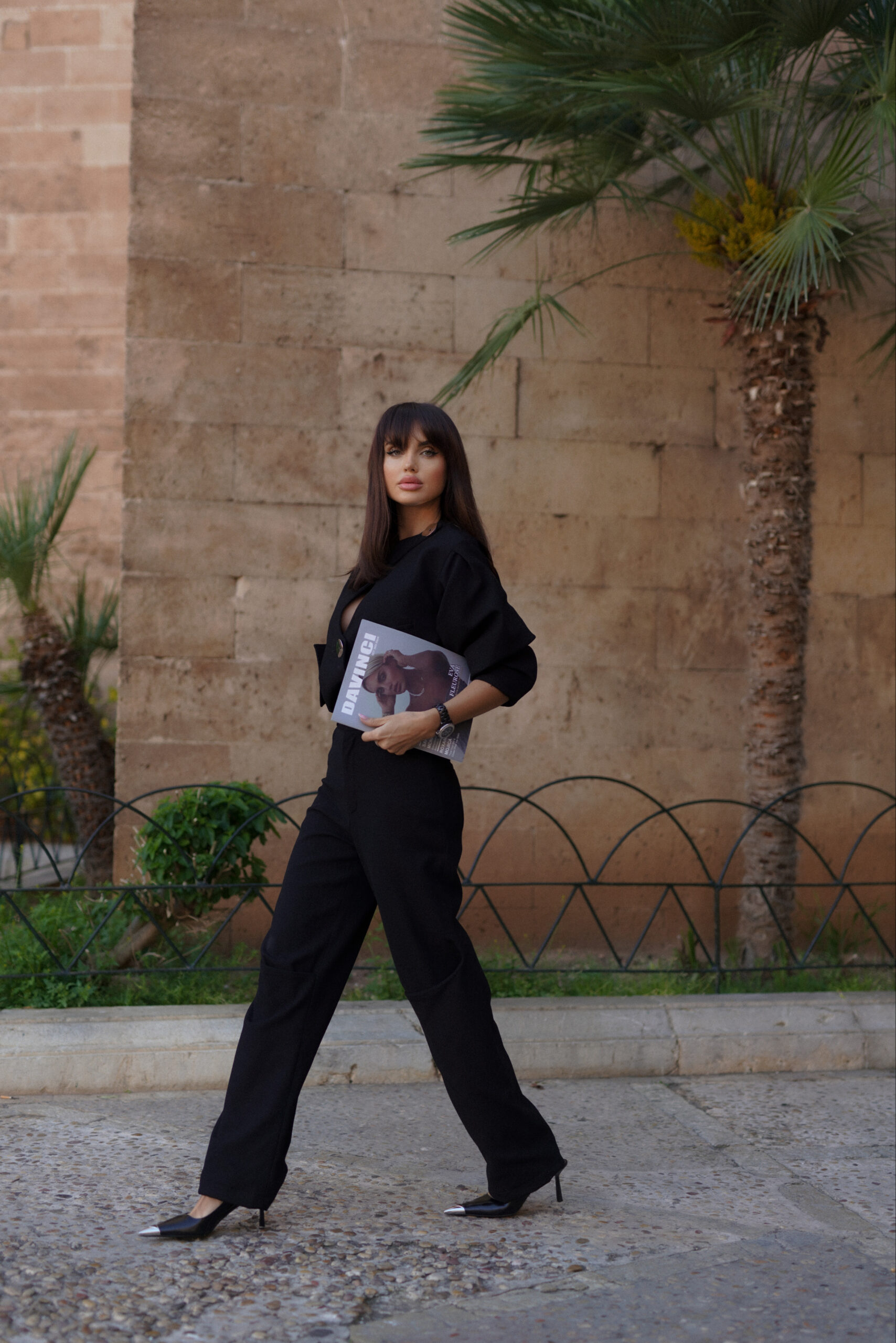


An evening at Velvet Room with Lakis and Aris Ionas, the brothers behind The Callas, whose creative world extends from underground music to contemporary art.
By Peter Koloff
I decided to take the stairs instead of the elevator.
Velvet Room was on the fourth floor of an older building in central Athens. By the time I reached the top, I was slightly out of breath. I had come to meet Lakis and Aris Ionas, the brothers known as The Callas, following an introduction from Marina Vranopoulou, founder of Dio Horia gallery.
The brothers welcomed me warmly. Inside, the lighting was dim, and the evening was already taking shape. I was attending To Glikon Oniron, an event curated by Iria Vrettou, with a program that included experimental performance, collective dream-sharing and live music by Bipolia with Carla Magnier.
What struck me almost immediately was how familiar the place felt.
It reminded me of the underground creative spaces I remembered from Silver Lake and Echo Park in Los Angeles, or New York’s Lower East Side in the 1990s. There was a raw, almost punk quality to the room. People were there for the performances, and they were paying attention. I noticed very few phones.
The brothers seemed perfectly at home.
I had known of their work, but spending an evening at Velvet Room gave me a better sense of the environment surrounding it.
The Callas have been working across music, painting, sculpture, embroidery, filmmaking and performance for years. Much of what they create involves friends, family and longtime collaborators. Their work carries the influence of punk’s do-it-yourself culture, although some of their most interesting pieces are made through surprisingly patient, detailed processes.
At Onassis Stegi in Athens, their exhibition Love Solidarity Death (L.S.D.) brought together paintings, sculpture, embroidered tapestries and performance. One of the works, Punkthenon, was constructed from Athenian pavement marble, its title an obvious play on the Parthenon.
I find that combination particularly interesting. Here are two artists working in a city where ancient architecture is everywhere, taking something as ordinary as pavement marble and using it to make a work with an unmistakably punk identity.
Their embroidered tapestries are equally distinctive. Figures, text and strong colors appear across surfaces built through hours of handwork. The Callasettes, a performance troupe associated with the brothers, bring another element into the picture through movement and wearable textiles.
Music is just as important to their practice. The Callas have recorded nine albums and collaborated with Lee Ranaldo of Sonic Youth and Jim Sclavunos of Nick Cave and the Bad Seeds. They have also written and directed five feature films, including Lustlands, The Great Eastern and Madonnas.
Their visual art has appeared at the New Museum in New York, Palais de Tokyo in Paris and other international venues. In Athens, their exhibition Strange Fruits at Dio Horia brought together paintings, embroidered tapestries and sculpture.
Yet some of their most interesting projects happen outside conventional exhibition spaces.
In Thermissia, in the Peloponnese, the brothers maintain a farm among orange and olive trees. It serves as an open-air studio and hosts an annual 24-hour festival with art, performances and live bands.
In the portfolio they shared with me, the brothers use the word Friendutopias to describe the temporary communities formed through friendship, collaboration and making things together.
It’s an unusual term, but after visiting Velvet Room, I could understand why they use it.
What I enjoyed about that evening was its lack of ceremony. There was no need for an elaborate introduction to the artists or an explanation of why their work mattered. People gathered, performances unfolded, and the brothers were simply part of the room.
I spend a great deal of time around galleries, exhibitions and cultural events, and I appreciate those environments. But Velvet Room reminded me of another side of the art world, one I remember from years ago in Los Angeles and New York.
I hadn’t expected to find it in quite the same way in Athens.
I’m glad I took the stairs.
Further Reading: Marina Vranopoulou: Why Art Matters Now
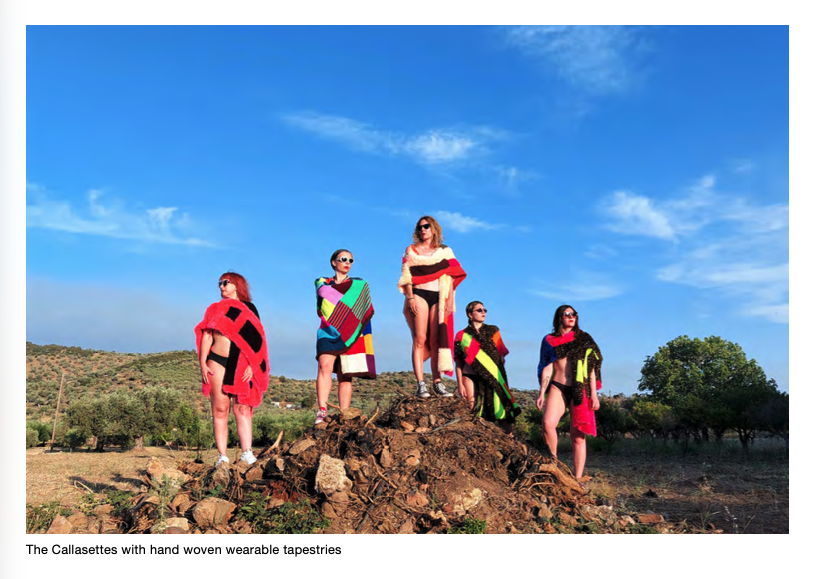
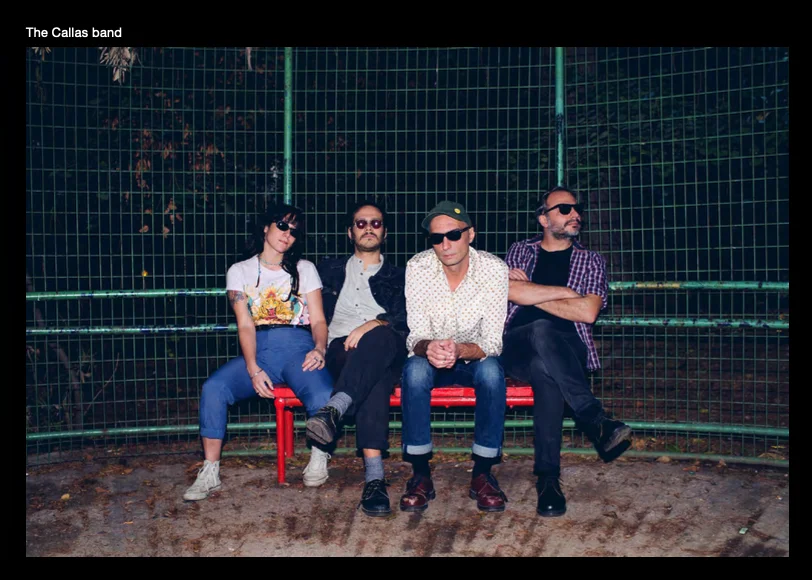
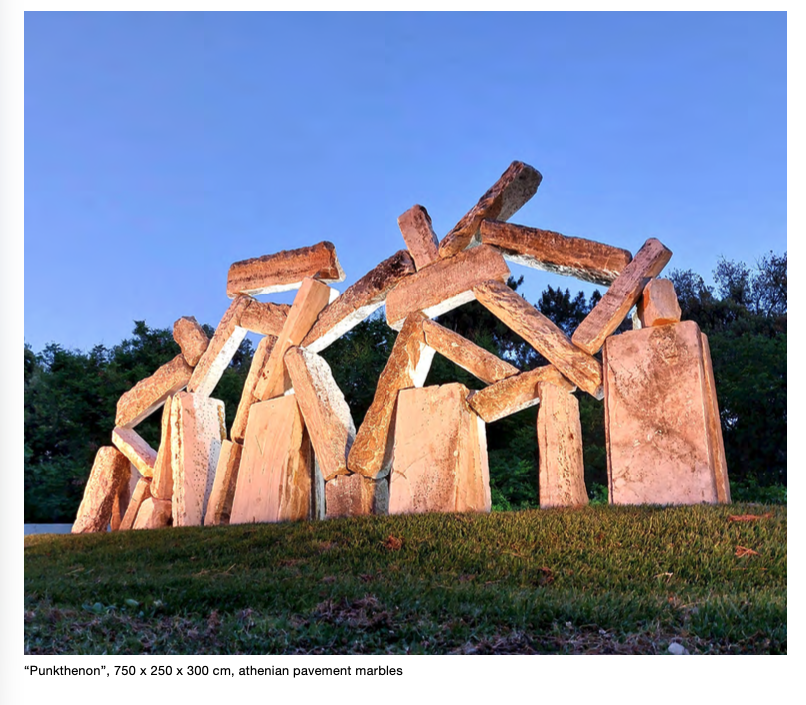
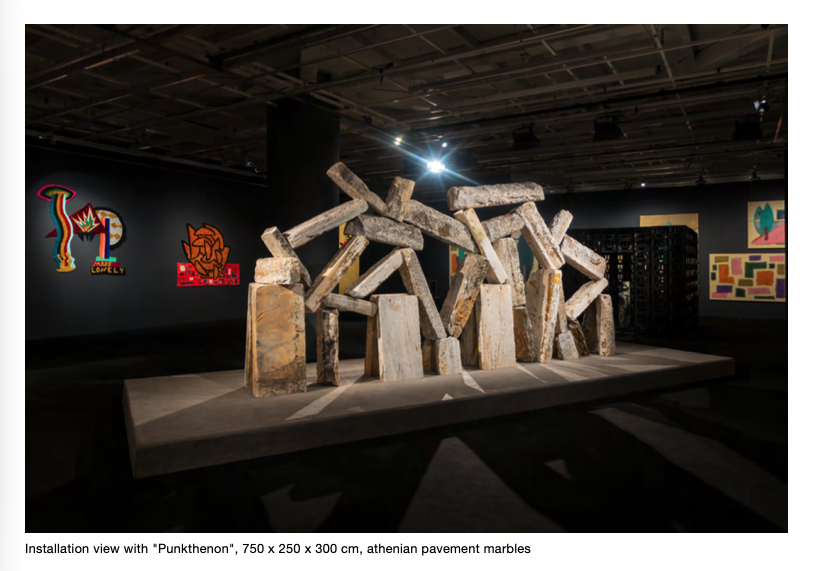
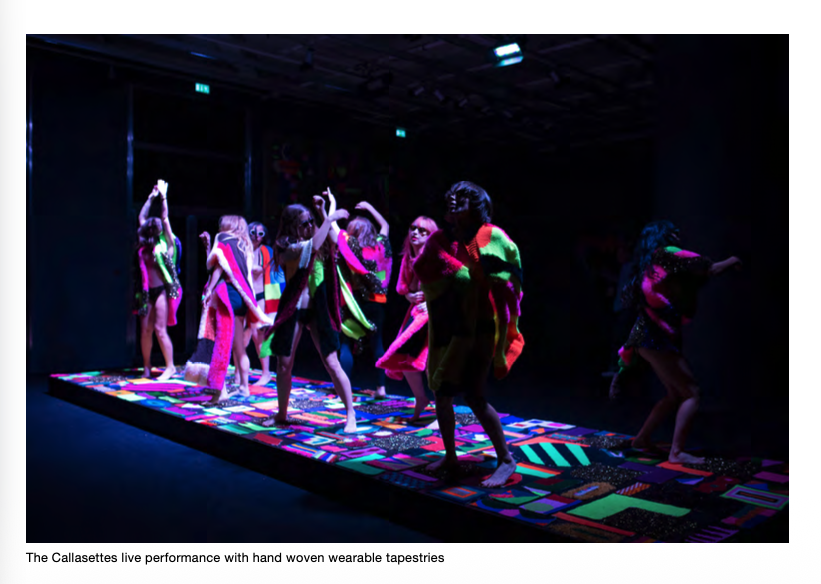
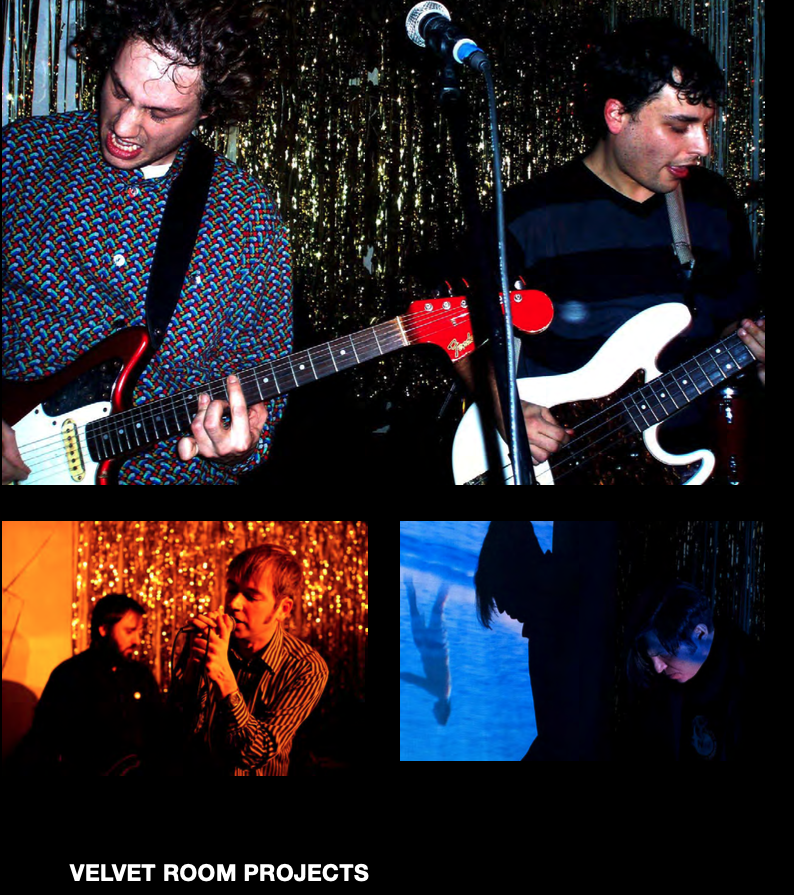
Image Credits: All images courtesy of Lakis and Aris Ionas (The Callas), provided by the artists.