

The image the public receives often differs completely from what happens behind closed doors, where final executive decisions for any brand are made. That is precisely what happened with Coperni, a label once considered one of the most forward-thinking and creatively bold names in fashion.
Maybe we can analyze this a bit.
Most fashion houses today face a tug-of-war between generating profit and giving the audience spectacle and gratification to fill a creative void. Sometimes they end up unable to curb falling sales, or to balance driving consumer desire with sound business logic. Audiences demand creativity in order to buy, creativity requires spending, and spending is only funded by sales—if sales dry up, creativity disappears.
Yet Coperni’s problem runs deeper. What happened to the label wasn’t caused by creative exhaustion or a lack of public resonance; it was a harsh lesson proving that creativity alone isn’t enough to sustain a business plan unless it rests on a solid administrative and financial foundation—and, at times, other factors as well.
What Is Coperni?
For those unfamiliar with it, Coperni is a Parisian fashion label founded in 2013 under co-founders and creative directors Sébastien Meyer and Arnaud Vaillant. It went through a temporary hiatus between 2015 and 2018 before making a strong comeback in its modern chapter.
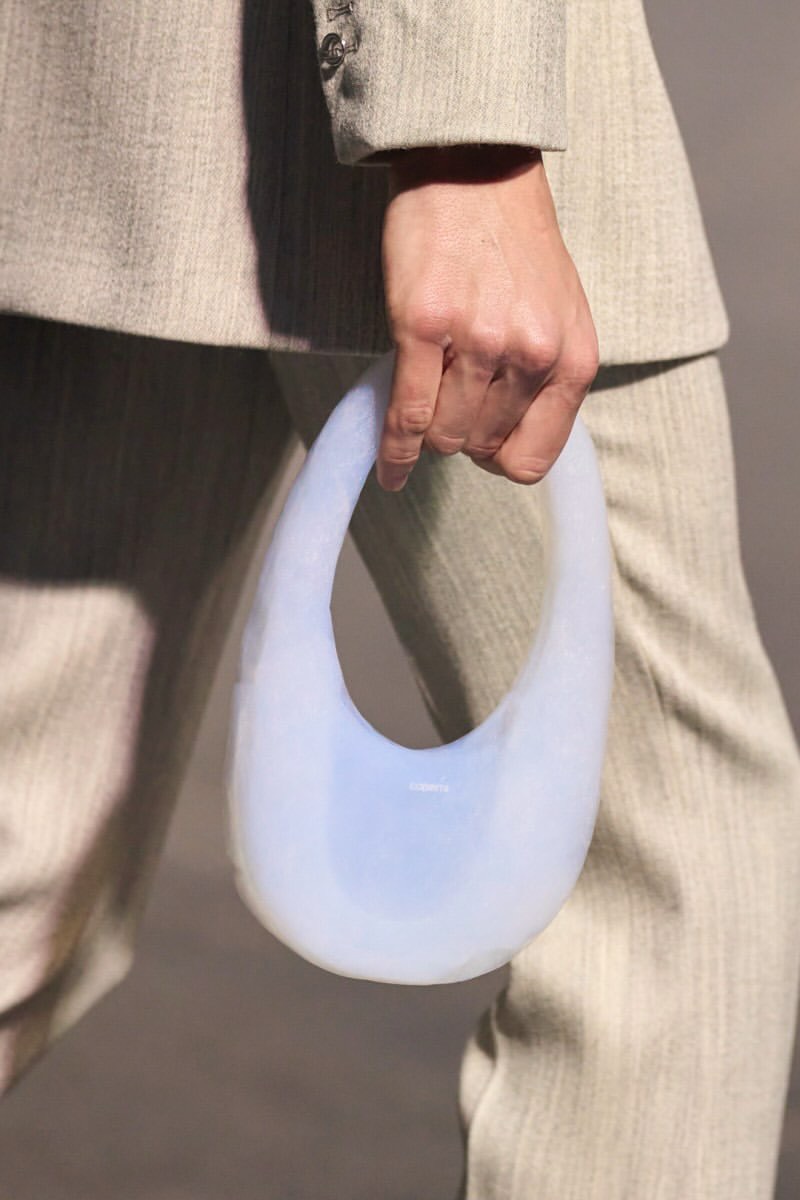
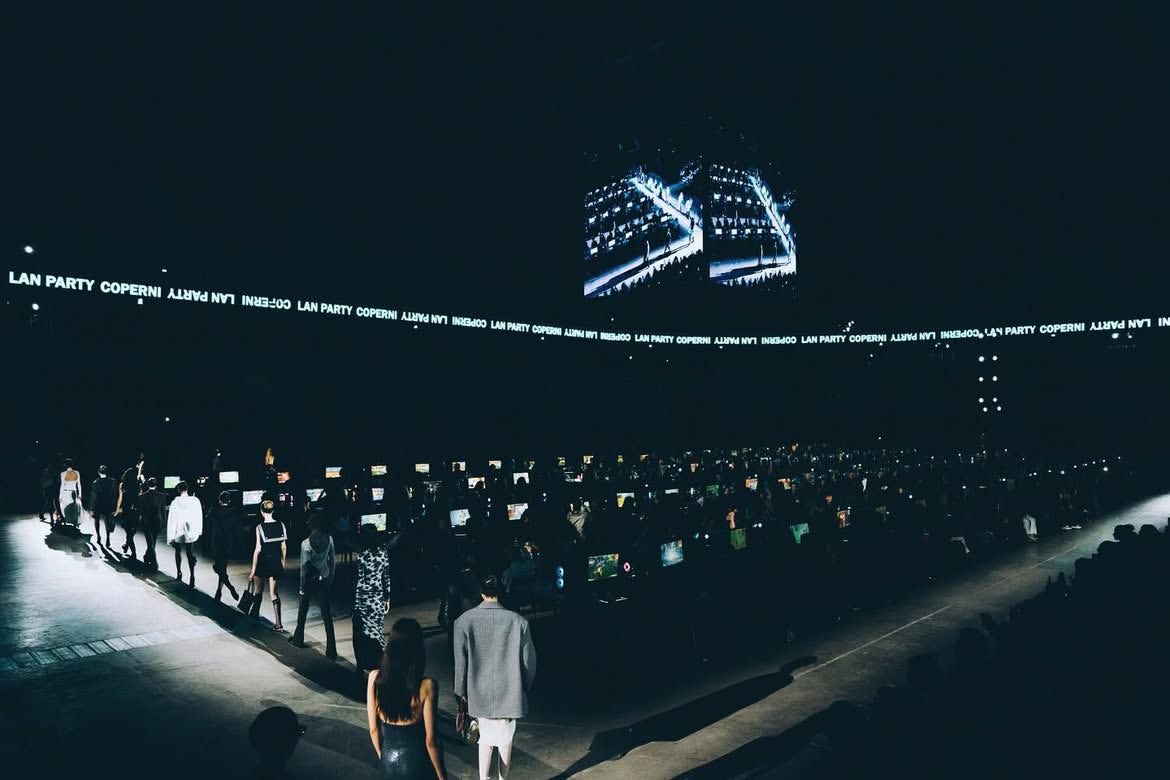
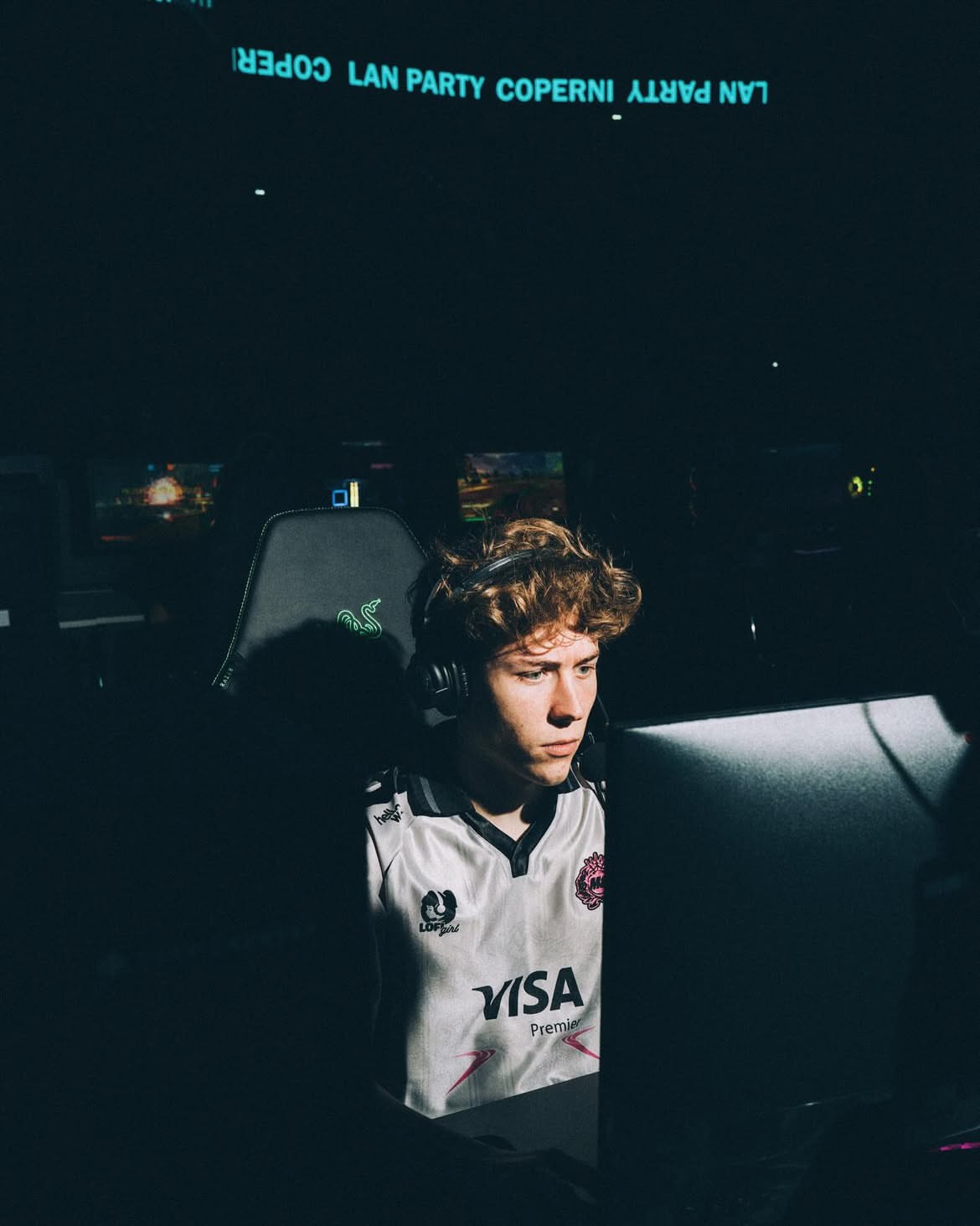
The brand carved out a special place in contemporary visual memory. Some remember it for the bag made of air, the dress sprayed directly onto Bella Hadid’s body, the show featuring models playing video games, or that standout presentation at Disneyland, among other iconic moments.
A Lesson in Mathematics
Coperni’s journey began in a small apartment in Paris, where Sébastien and Arnaud posted photos and work in a connected mosaic layout on Instagram after returning from their break..a move that quickly drew attention to them.
Going back to the name itself: why Coperni specifically? Arnaud’s background played a central role here. Growing up in a family of doctors, he developed a passion for both math and art, while Sébastien had attended a military school. Out of that intersection emerged a world blending art and pattern-making with math and garment measurements..like a Venn diagram where overlapping circles meet.
The founders drew inspiration from astronomer and mathematician Nicolaus Copernicus, looking for a name that fused science, innovation, the future, and what lies beyond the horizon..one easy to pronounce in any language around the world, tying scientific precision to the creation of unconventional pieces.
Getting to Know Tomorrow Ltd
Tomorrow Ltd was founded in London in 2010 by Stefano Martinetto and his partner Giancarlo Simiri, with Martinetto leading it for 16 years as an investor and distributor for notable labels such as Coperni and Martine Rose. Tomorrow Ltd served as Coperni’s majority shareholder and primary distributor.

Behind the Scenes
From a business analysis perspective, Tomorrow Ltd’s structural crisis appeared to stem from its reliance on a dual business model: selling designers’ collections to major retailers while pre-financing production for brands in which it held equity. As it expanded by buying larger ownership stakes rather than sticking to a lower-risk commercial agency model, the company took on steep fixed financial and operating costs..from team payrolls to showroom leases in Milan, Paris, and New York—alongside rapidly rising runway show expenses.
That expansion coincided with a global luxury market slowdown and tighter buying budgets at major retailers, which scaled back orders, delayed payments, or canceled them. Tomorrow found itself caught in the middle: required to pay factories upfront for manufacturing and raw materials to ensure on-time seasonal deliveries, while cash inflows from retailers shrank and fixed costs couldn’t be cut fast enough—likely contributing to a severe liquidity crunch.
Another critical factor made matters worse: the rising cost of debt and financing. During its expansion years, the company leaned on borrowing and investment capital to fund acquisitions and operations. As interest rates climbed and banks and investors grew cautious about financing high-risk independent fashion, debt service seemed to put heavy pressure on operating cash flow, and securing new loans to bridge the liquidity gap became nearly impossible.
So showrooms—which had been the company’s profit engine when it operated as a sales agent..turned into heavy monthly burdens of rent and salaries, pulling the ship under the weight of acquisition debt and sluggish collections.
These broader industry and financial pressures mattered to Coperni’s story because of how closely the brand’s operations were tied to Tomorrow’s distribution network.
So What Happened to Coperni?
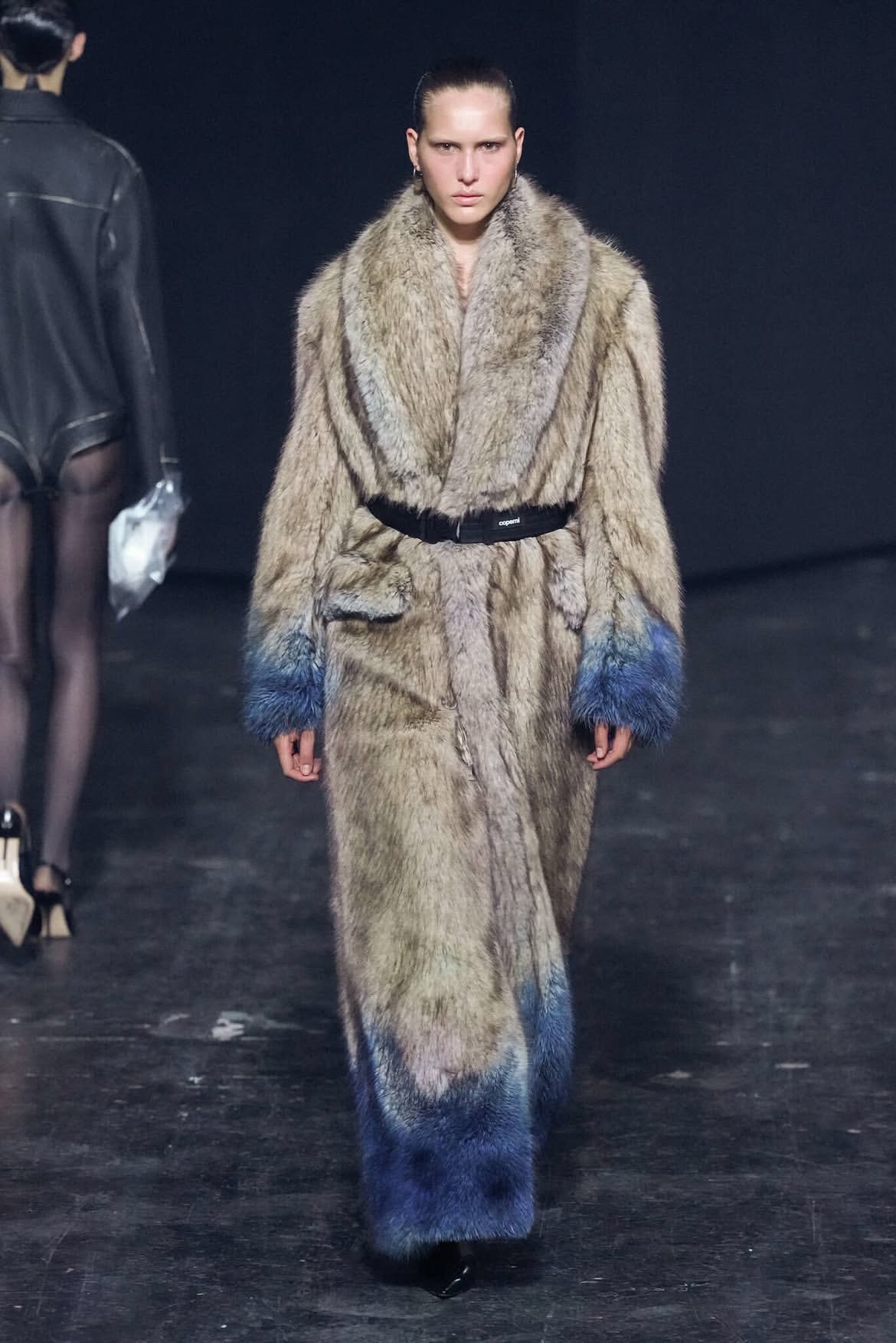
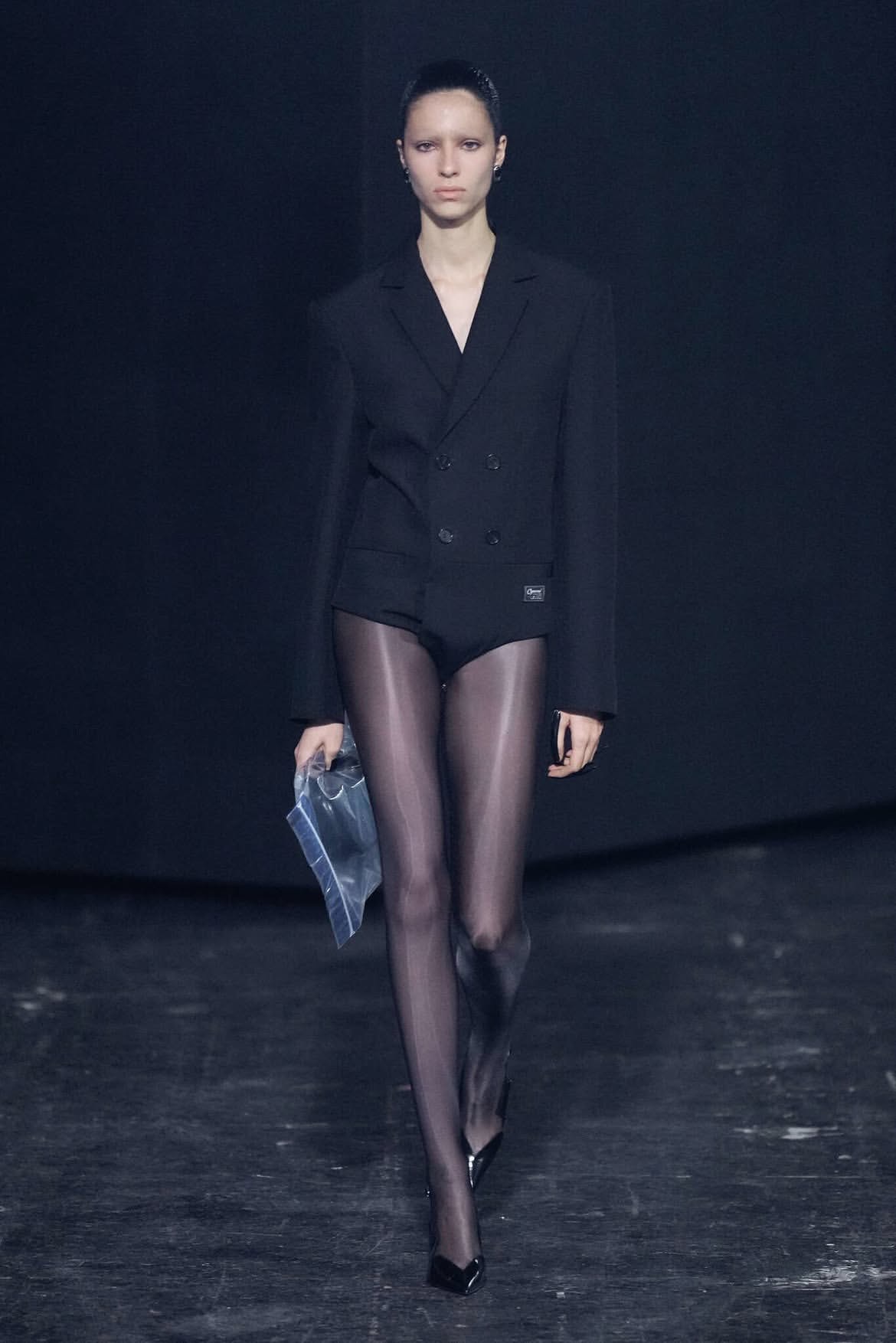
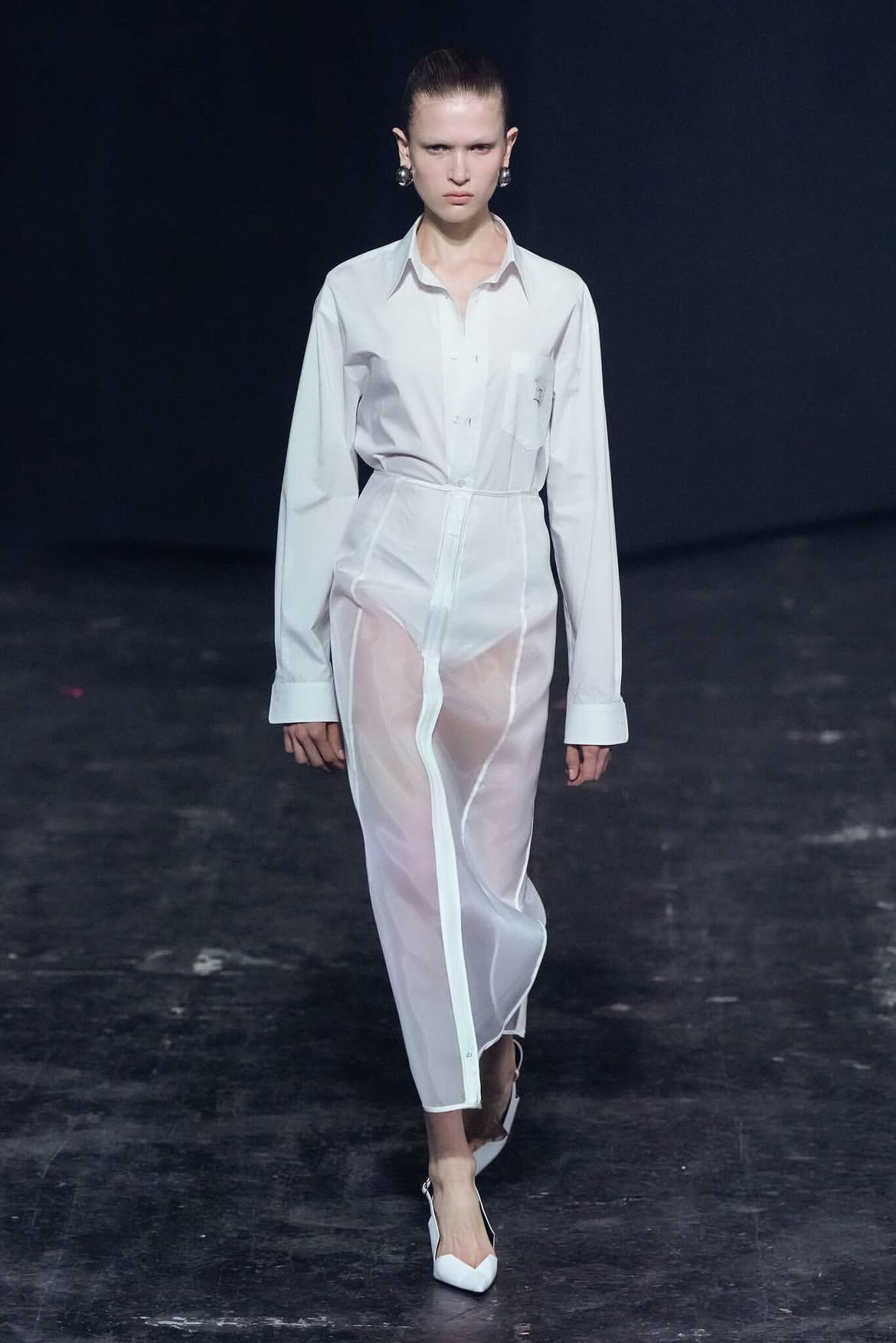
It appeared that Tomorrow’s financial cushion fell short of the scale of its expansion. And the risks it took on, without a cash buffer to absorb shocks when major buyers stumbled..as happened during the Farfetch crisis..unlike mega-groups such as LVMH and Kering.
Tomorrow had worked with Coperni since 2019. According to Sébastien Meyer and Arnaud Vaillant, the majority shareholder stopped paying amounts owed altogether, hitting the brand right at its core. Because Tomorrow held equity in Coperni, that sudden cutoff..as the founders noted—helped paralyze the label’s ability to pay its team and fund production.
Responsibility didn’t rest solely on Tomorrow Ltd, though. Coperni already struggled to develop everyday, commercially practical wardrobe staples, despite its brilliance at staging wildly viral moments.
The fallout moved quickly: Coperni’s Fall/Winter 2026 show was canceled in late February and early March 2026 amid the operational dispute, and Tomorrow entered its own turmoil before eventually being sold to Progetto 11, further complicating the picture. Unable to return to the runway, Coperni entered court protection and restructuring proceedings in Paris in June 2026, before Arnaud Vaillant and Sébastien Meyer officially announced its closure on November 4 of that same year.
In the end, Coperni didn’t fall because its founders’ imagination ran dry, but because fashion..no matter how bold..is ultimately a mathematical equation: if the numbers don’t balance behind the scenes, the brand won’t last long under the runway lights.