

For decades, luxury made itself easy to recognize.
There were logos, signature silhouettes, coveted bags, exclusive rooms, waiting lists, and unmistakable symbols that quietly, or sometimes not so quietly, announced status. Owning the right object could communicate wealth, access, taste, and belonging before its owner ever said a word.
But something is changing.
A new generation of luxury consumers is beginning to ask a different set of questions. Who made this? Why was it created? What does it mean? How many other people will own it? And perhaps most importantly, does this object actually say something about me?
It is within that changing definition of luxury that ORIMI is building its identity.
When Exclusivity Becomes Personal
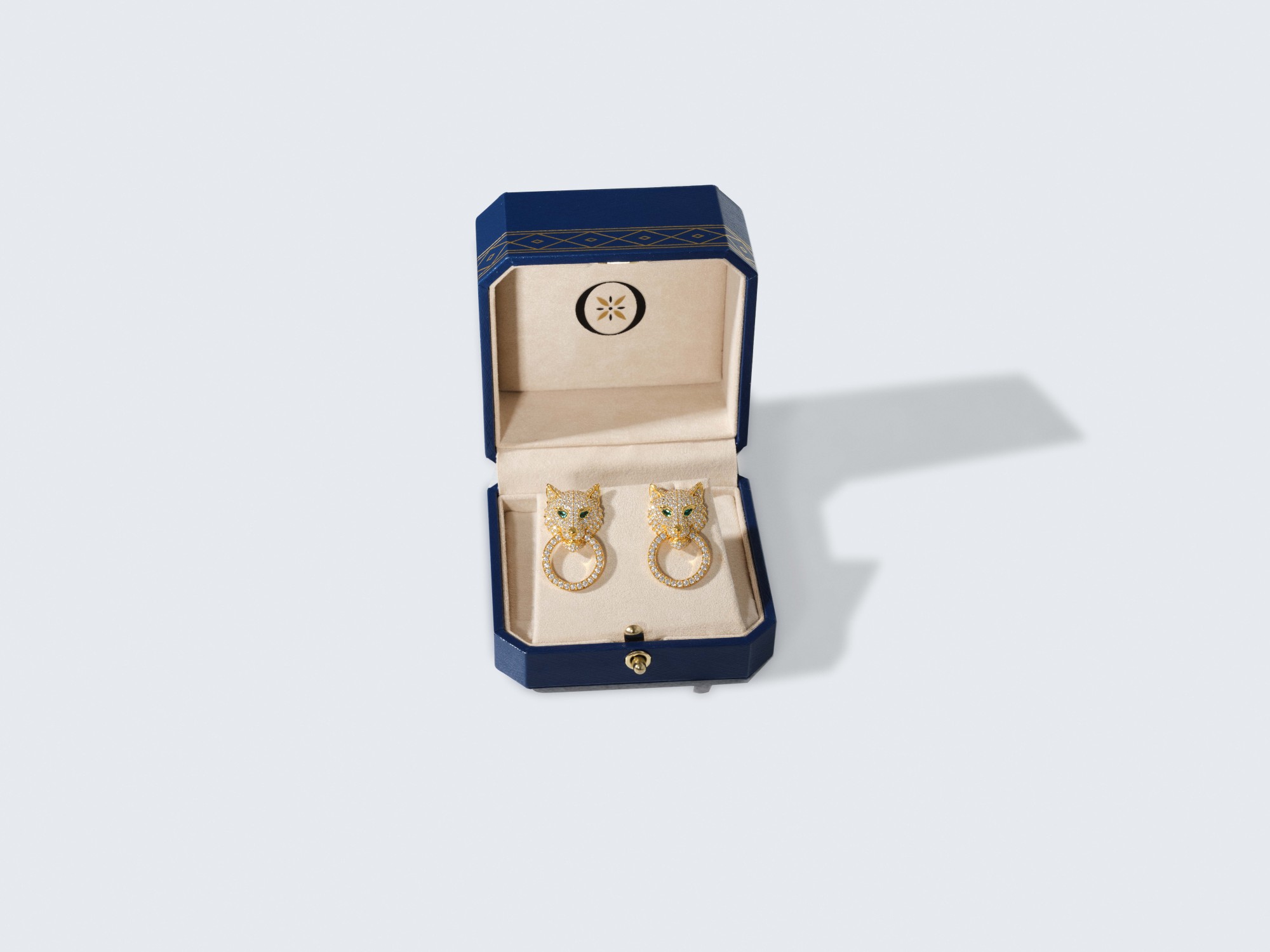
ORIMI sees modern exclusivity becoming quieter and considerably more intimate. Rather than relying exclusively on recognizable branding or the social currency of possessing an obvious status symbol, the brand is interested in objects that establish a more personal relationship with their owner.
That distinction matters.
Luxury is not necessarily losing its association with status. Instead, the definition of status itself is expanding. For an increasingly discerning consumer, the value of an object can come from knowing that it is thoughtfully made, culturally grounded, relatively uncommon, and personally significant.
The question is shifting from “Will people recognize what I am wearing?” to “Does what I am wearing reflect who I am?”
For ORIMI, that evolution creates room for a different conversation about fine jewelry.
The Philosophy Behind ORIMI
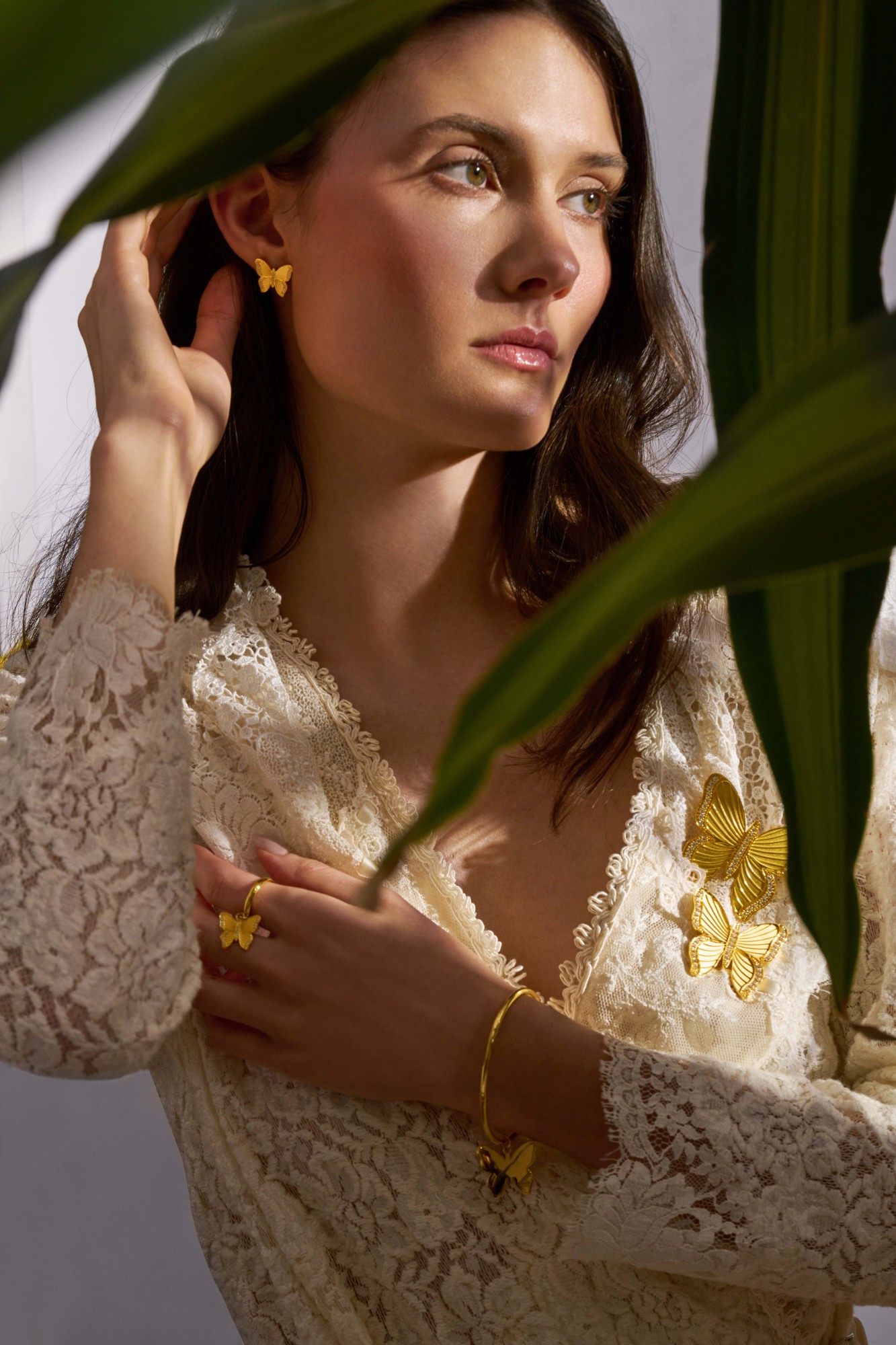
At the center of the brand is the Yoruba concept of Orí, a philosophy connected to the inner self, personal destiny, intuition, and alignment.
It provides more than inspiration for a name. It establishes the foundation from which ORIMI approaches jewelry.
The brand views Orí as the part of a person that understands who they are before outside expectations, professional titles, social roles, and other identities are placed upon them. Through that lens, jewelry becomes capable of carrying meaning beyond decoration.
ORIMI’s forms, symbolism, collections, and language are developed around ideas of identity, self-possession, personal power, and becoming.
Rather than asking only whether a piece completes an outfit, the brand asks what that piece might represent to the woman wearing it.
It is an approach summarized by one of ORIMI’s defining beliefs:
“Jewelry should not simply adorn. It should affirm.”
That affirmation can take different forms.
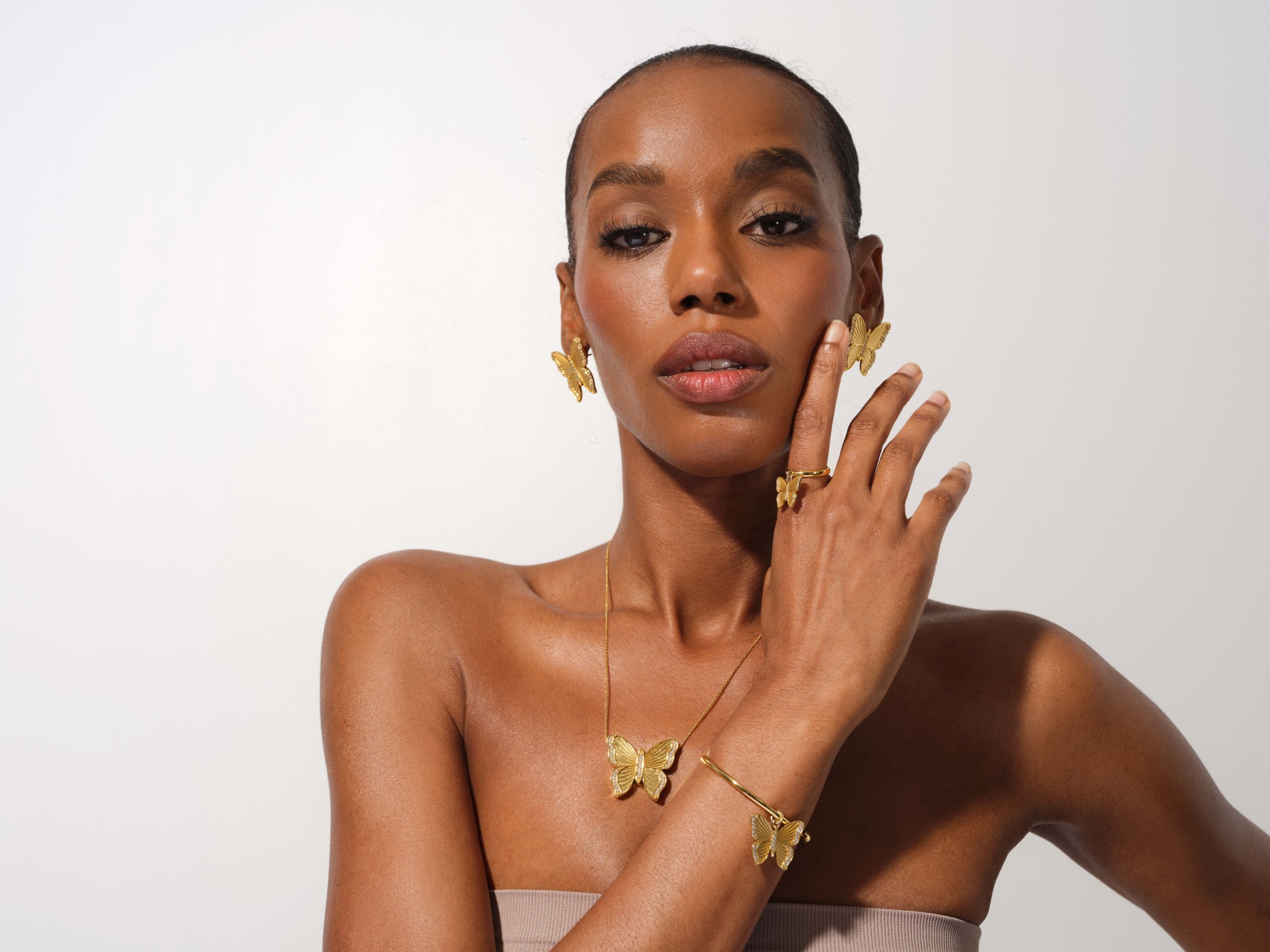
There may be days when a woman wants to embody softness. Others may require courage, authority, protection, or clarity. A piece of jewelry can become a private reminder of what she needs to access within herself before entering a meeting, beginning a difficult conversation, making an important decision, or moving into an unfamiliar chapter of her life.
The jewelry, in other words, does not have to perform for the room.
Its first conversation can be with the wearer.
From Wall Street to a Different Vision of Luxury
That philosophy was also shaped by an environment that might initially seem far removed from jewelry: Wall Street.
Years spent working in finance provided ORIMI’s founder with an intimate understanding of discipline, precision, resilience, and decision-making under pressure. More importantly, it revealed how often women move between different versions of themselves throughout a single day.
There are moments that demand analysis and restraint. Others require confidence. Some require walking into an intimidating room and making a conscious decision not to shrink.
Those experiences eventually informed the emotional architecture behind ORIMI.
The modern woman the brand speaks to is not one-dimensional. She may be ambitious and vulnerable, commanding and soft, measured and instinctive. ORIMI’s collections are conceived around that complexity, allowing jewelry to act as an expression of whichever part of herself she chooses to call forward.
That perspective also reflects a larger change happening within fine jewelry.
Women increasingly do not need someone else to give them permission to own something significant.
Women Are Marking Their Own Milestones
For generations, some of fine jewelry’s most recognizable purchasing occasions revolved around relationships: engagements, weddings, anniversaries, birthdays, and gifts.
Those traditions remain important, but they no longer tell the whole story.
Women are increasingly purchasing fine jewelry for themselves to commemorate promotions, career achievements, transitions, healing, birthdays, new chapters, and private victories that may have nothing to do with a traditional gifting occasion.
ORIMI sees that behavior as something bigger than a retail trend.
It is about agency.
There is power in deciding that your own accomplishment deserves to be remembered. A woman does not have to wait to be chosen before choosing something meaningful for herself.
Fine jewelry can become part of how she records her own life.
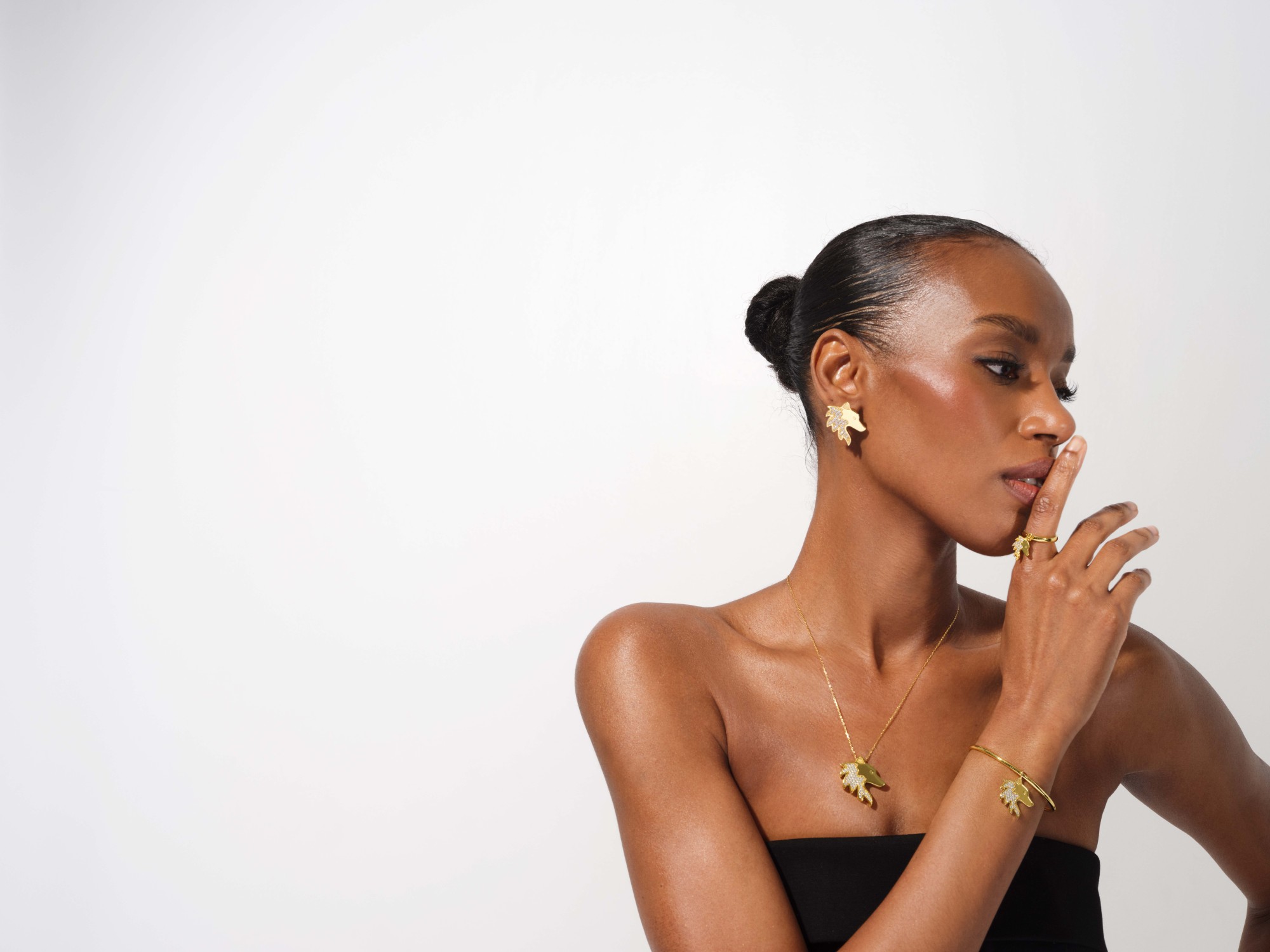
Fewer Things, More Meaning
This change arrives at a moment when consumers are also confronting an extraordinary amount of excess.
Products arrive constantly. Trends accelerate and disappear. Social media creates an almost uninterrupted cycle of newness, and consumers are repeatedly encouraged to move on to the next object before they have developed any meaningful relationship with the last one.
The result may be an unexpected countertrend: discernment.
Instead of asking what else they can acquire, some luxury consumers are beginning to ask what actually deserves space in their lives.
That shift has particular relevance to fine jewelry, where an object can remain with its owner for decades and eventually move between generations.
ORIMI’s answer is straightforward: fewer pieces, better pieces, and pieces with a reason to exist.
Longevity matters. Emotional weight matters. Craftsmanship matters.
Craftsmanship Cannot Be a Marketing Word
As consumers become more sophisticated, the language surrounding luxury is also coming under greater scrutiny.
Words such as “artisan,” “exclusive,” “heritage,” “craftsmanship,” and “timeless” are used so frequently that the words themselves can become nearly meaningless without evidence behind them.
Genuine craftsmanship has to survive closer inspection.
It appears in the weight and finish of a piece, how stones are selected and set, the treatment of surfaces that may never be immediately visible, how jewelry sits against the skin, the materials being used, and whether the construction has been considered from every angle.
For ORIMI, craftsmanship ultimately comes down to integrity.
A luxury object should withstand scrutiny, not depend on language to convince someone of its value.
That same expectation extends to transparency. Consumers increasingly want to understand not simply what a brand produces, but why the object exists, how it was made, and what values informed its creation.
For an independent house such as ORIMI, that transparency is particularly important because trust becomes part of the luxury experience itself.
Why Independent Luxury Has an Opening

Competing against global luxury houses with enormous marketing budgets presents an obvious challenge for an emerging independent brand.
ORIMI also sees an advantage.
Smaller brands can operate with intimacy, clarity, and specificity. They do not necessarily need to appeal to everyone. In fact, refusing to do so can become part of their strength.
A founder-led company can remain unusually close to its customer and its original point of view. It can react to cultural changes quickly without filtering every creative decision through layers of corporate approval.
Large houses have reach.
Independent houses can have depth.
That difference becomes especially important as consumers become increasingly adept at identifying when cultural references, representation, sustainability, craftsmanship, and purpose exist primarily as marketing devices.
Authenticity is difficult to manufacture at scale.
Luxury Does Not Always Need a Spectacle
The same philosophy influences how ORIMI thinks about discovery.
Fashion Week has traditionally rewarded spectacle: packed rooms, elaborate presentations, celebrity appearances, photographers, social media moments, and the constant competition for attention.
ORIMI sees growing value in the opposite experience.
Private appointments, intimate presentations, showroom visits, and smaller industry conversations create an opportunity for editors, stylists, buyers, collectors, and tastemakers to spend actual time with an object.
For jewelry, proximity changes everything.
The scale can be understood. Craftsmanship can be inspected. Symbolism can be explained. The weight can be felt.
Instead of competing for a few seconds of attention, the object gets an opportunity to reveal itself.
It mirrors the larger evolution ORIMI sees taking place across luxury itself: not everything meaningful has to be mass-facing.
Sometimes exclusivity is precisely the opposite.
The Next Luxury Consumer Will Be Harder to Fool
The next generation of luxury consumers has grown up surrounded by sophisticated branding.
They understand the language.
That makes them increasingly capable of recognizing when concepts such as heritage, representation, transparency, craftsmanship, culture, or purpose are substantive and when they have simply been added to a campaign.
ORIMI believes this consumer will demand cultural intelligence and emotional honesty alongside beauty.
Craftsmanship will matter. Transparency will matter. Representation will matter. But none of those ideas will be enough when treated as surface-level positioning.
The houses capable of enduring will have to find a balance between heritage and modernity, exclusivity and relevance, beauty and substance.
That presents both a challenge and an opportunity for the luxury industry.
Because the future may not belong exclusively to whoever can produce the biggest campaign, secure the most recognizable ambassador, or place the most obvious logo in front of the largest audience.
It may also belong to brands capable of making someone feel something.
Luxury, Reconsidered
Perhaps the most interesting idea behind ORIMI is that the evolution of luxury does not require abandoning exclusivity.
It requires redefining it.
Exclusivity can be knowing the story of what you own.
It can be craftsmanship that reveals itself only when someone looks closely.
It can be cultural meaning understood by those willing to understand it.
It can be purchasing something to mark a milestone no one else knows you survived.
And it can be wearing a piece that communicates something privately before it communicates anything publicly.
ORIMI describes luxury for the coming decade as the rare feeling of owning something deeply made, deeply considered, and deeply aligned with who you are.
In a marketplace overflowing with objects designed to be noticed, perhaps the next expression of luxury will be something considerably more difficult to manufacture:
resonance.