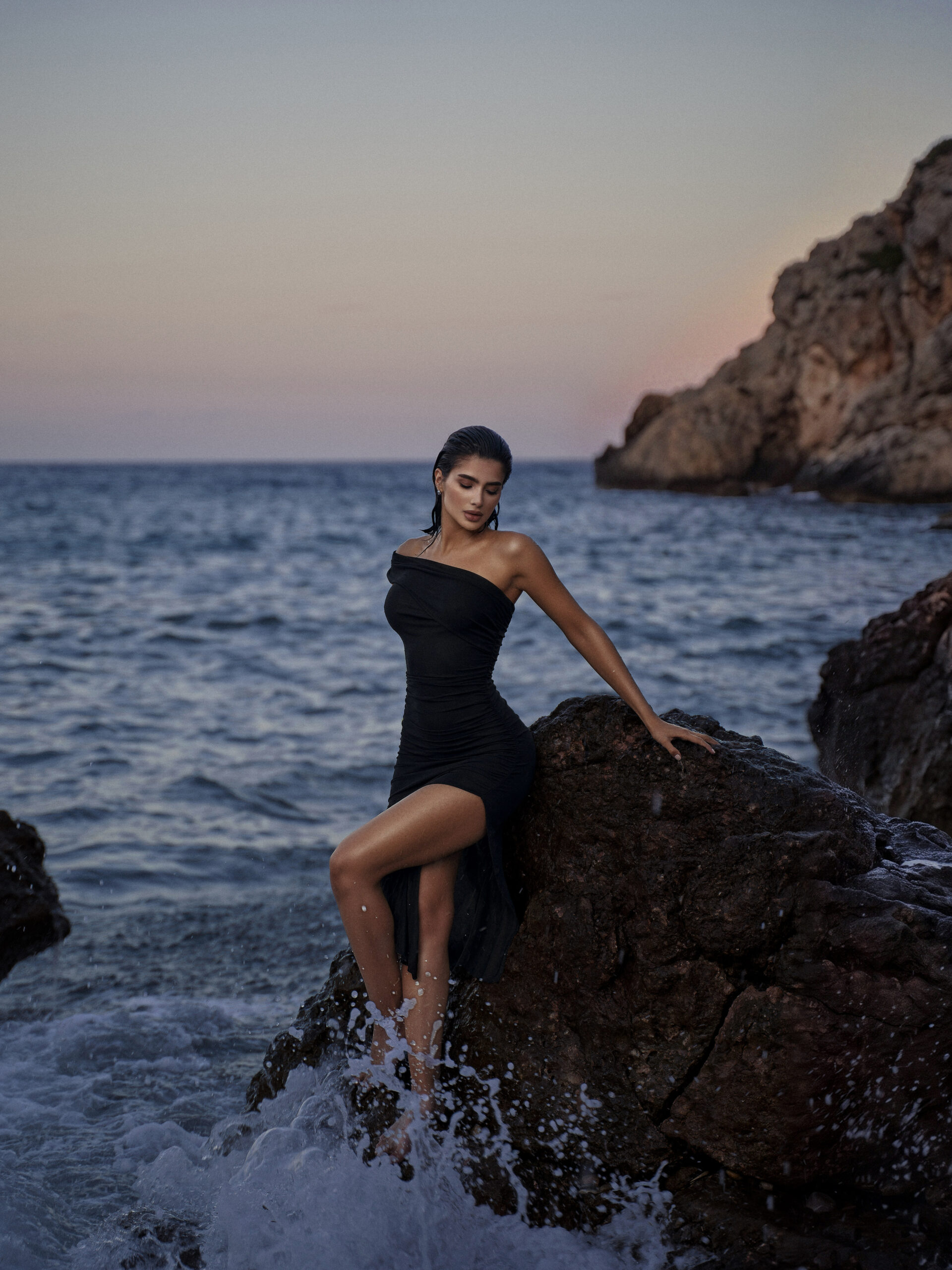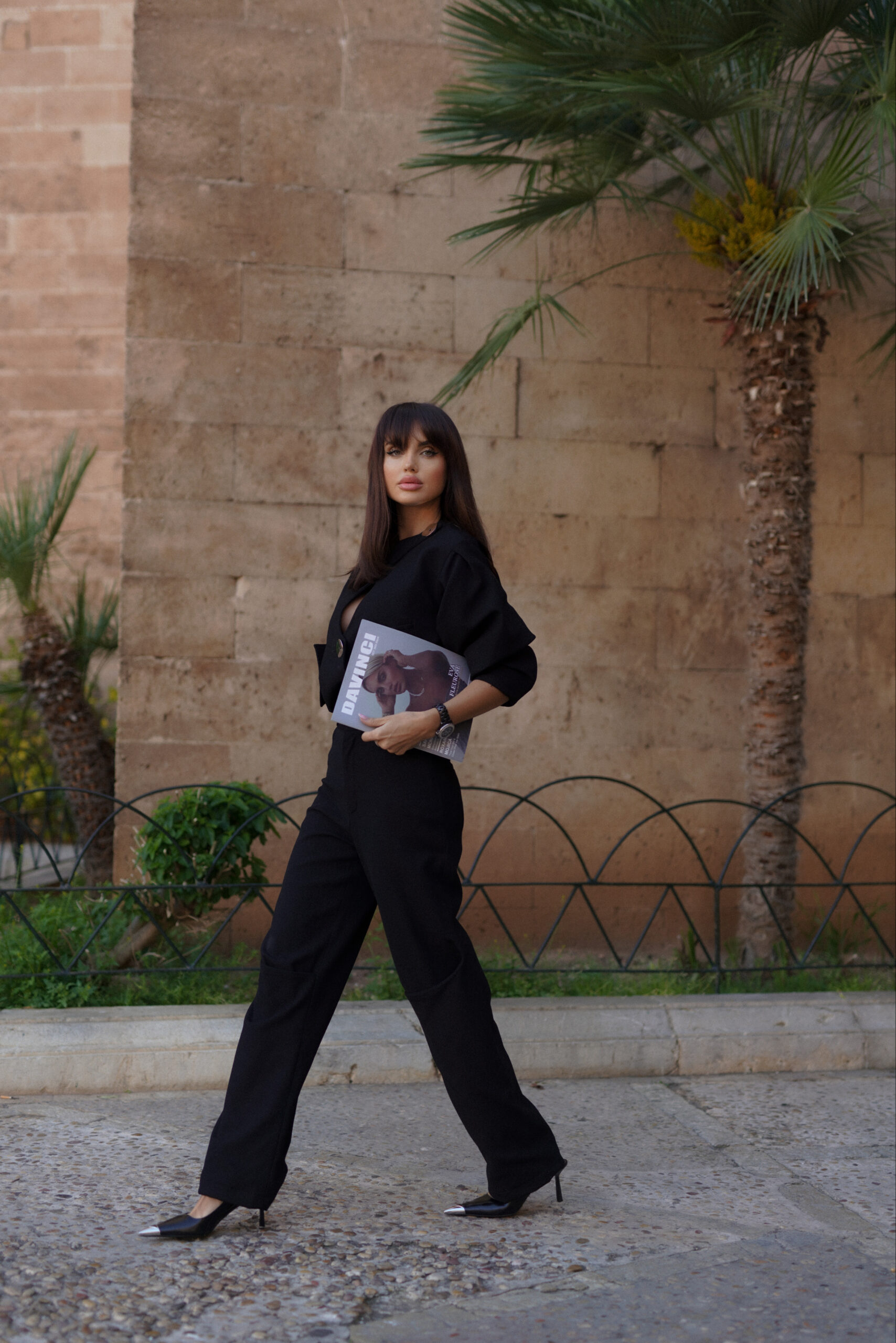


For Viktoria Zetov, fashion has never been simply about being seen. It is a language, a psychological tool, a business, and increasingly, the foundation for something she intends to build herself.
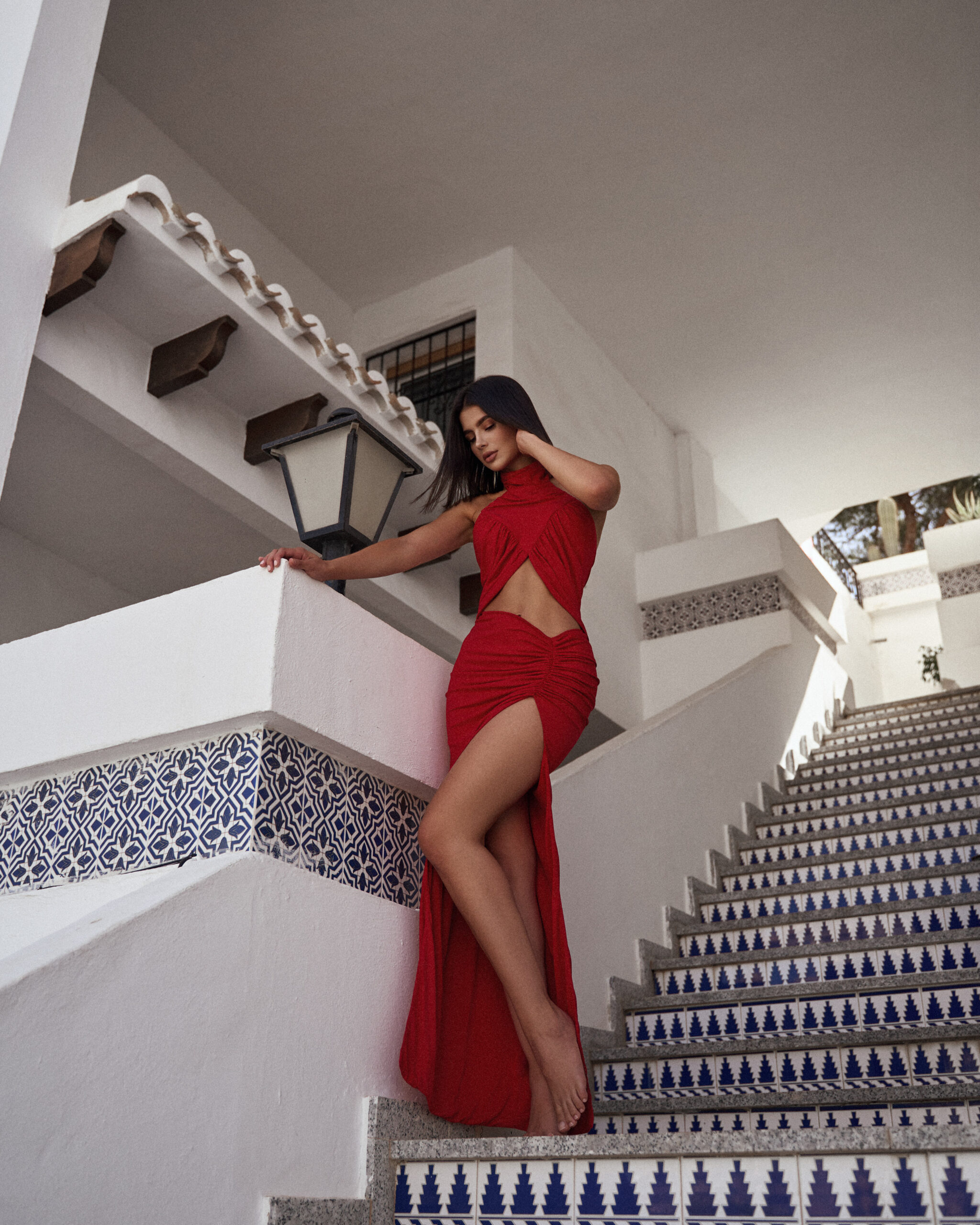
Her images may introduce audiences to a world of strong silhouettes, striking femininity, and carefully constructed aesthetics, but Zetov’s relationship with fashion extends far beyond what happens in front of a camera. Raised between Eastern Europe and Spain, she developed within two cultural environments that continue to influence both her personal style and the way she sees herself.
“Growing up in Spain but carrying Slavic roots gave me two very different aesthetic influences to draw from,” Zetov says. “The warmth and sensuality of Mediterranean style, and the stoicism and sharp edges of Eastern European fashion.”
That tension between sensuality and severity has become something of a personal signature.
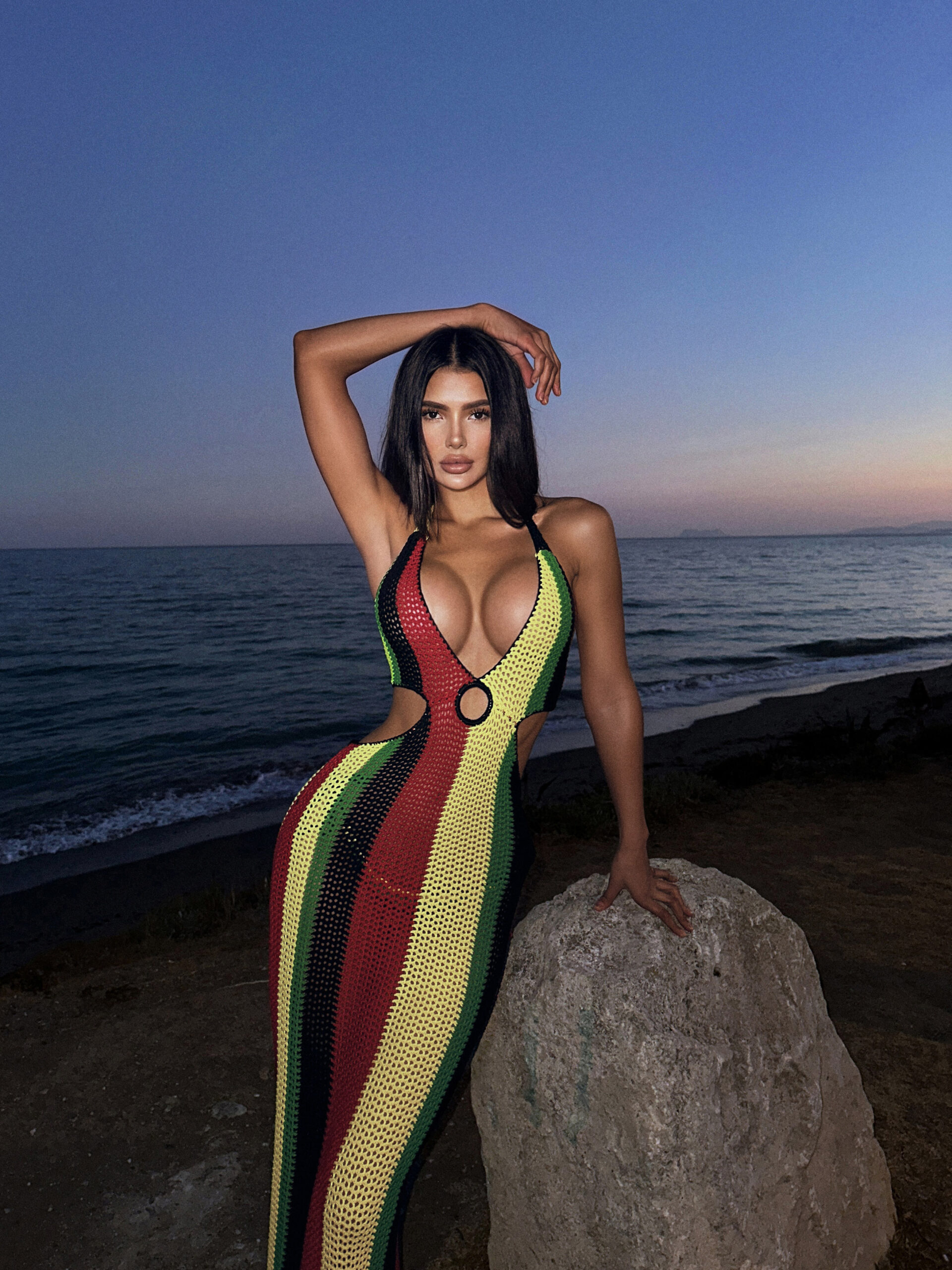
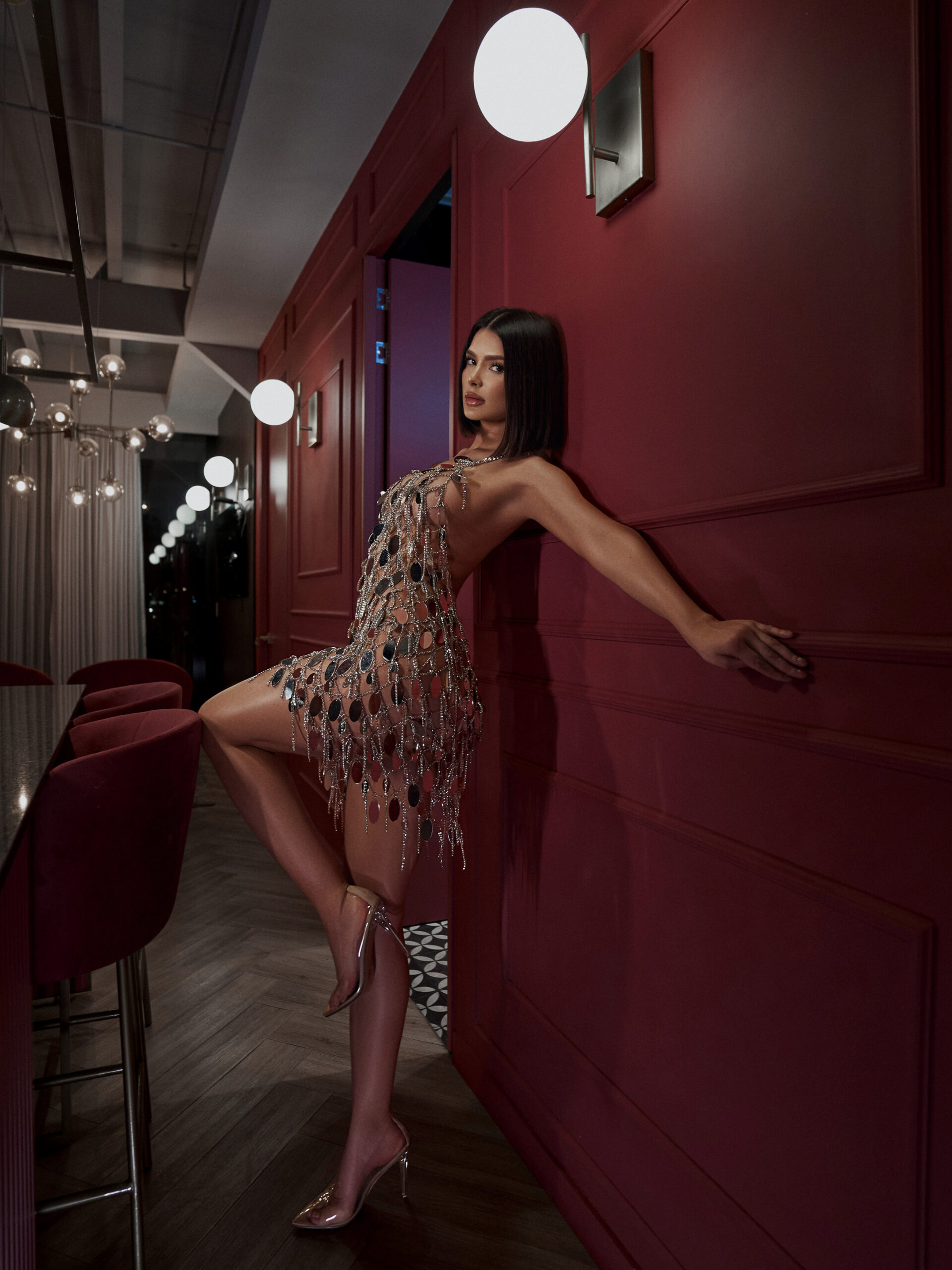
She describes her style as “structured but seductive,” gravitating toward oversized and architectural pieces, pronounced shoulders, commanding silhouettes, and carefully placed elements of femininity.
“It’s not soft. It’s not delicate,” she says. “It’s powerful with an edge of allure.”
A Career That Started With a Chance Encounter
Zetov’s introduction to fashion was not part of some carefully orchestrated childhood plan.
At 17, while walking through a plaza in Barcelona, she was approached by a scout. The encounter introduced her to an industry she had not necessarily imagined herself entering, but it would eventually change the trajectory of her life.
Her deeper appreciation for style came later.
As she became more immersed in fashion, clothing stopped being simply something to wear and became a form of communication.
“I realized clothing could be a language,” she says, “a way to say something about who I was before I ever opened my mouth.”
That understanding would eventually become particularly relevant considering another side of Zetov that is much less obvious from her photographs.
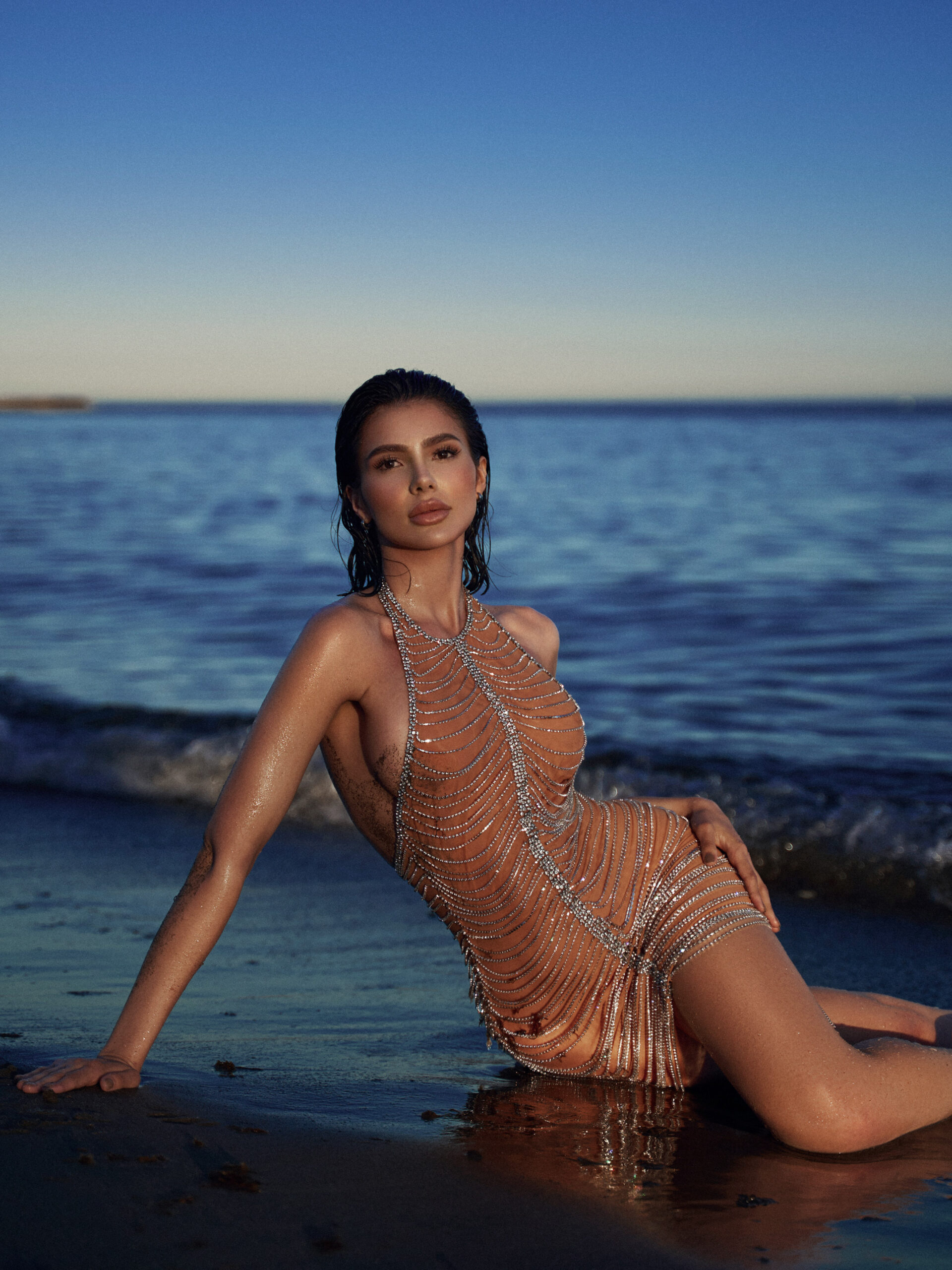
She studied marketing, specializing in neuromarketing and consumer psychology.
It is a background that gives her an unusually analytical perspective on an industry built heavily around image, aspiration, perception, and emotion.
“People assume modeling was my only path, but I’ve always approached my career like a business from day one,” she explains. “Understanding why people respond to images and brands the way they do.”
Behind the fashion imagery is someone thinking about positioning, consumer behavior, strategy, and what makes an audience connect with a brand.
“There’s a strategist behind the aesthetic,” Zetov says. “Every image is intentional, but so is the business behind it.”
Dressing With Intention
That intentionality also defines how Zetov gets dressed.
Her earlier relationship with fashion was more closely tied to attracting attention. As her confidence developed, that motivation changed.
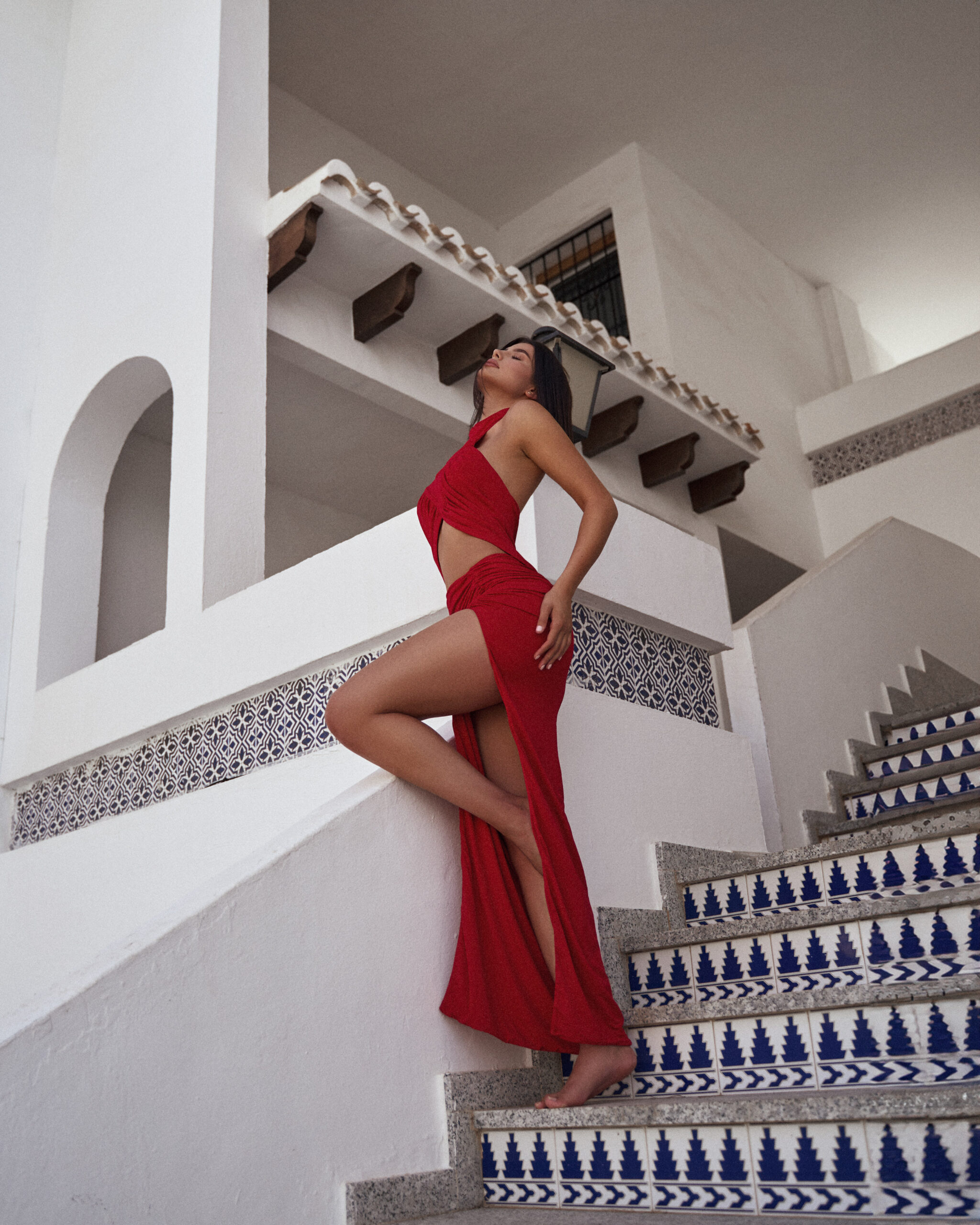
“In my early years I dressed to be noticed,” she says. “Now I dress to communicate something specific, power, intention, a certain darkness with elegance.”
For Zetov, confidence removed the pressure to prove herself through clothing. What remained was a clearer understanding of what she genuinely liked.
Her references reflect that perspective.
Alexander McQueen, Mugler, Balenciaga, Gucci, and Yves Saint Laurent sit among the designers and houses she continually returns to for inspiration, particularly work that embraces provocative ideas, dramatic construction, sensuality, and an avant-garde sensibility.
Her surroundings offer another layer of contrast. Moving between Dubai and Spain exposes her to environments with distinctly different visual identities, cultures, and approaches to fashion.
Rather than choosing between those worlds, she draws from the tension between them.
The result is a wardrobe that does not attempt to communicate delicacy.
“I’ve never related to the ‘porcelain princess’ archetype, soft, delicate, needing protection,” she says. “I’m drawn to the femme fatale instead: magnetic, complex, a little dangerous.”
Her clothing becomes an extension of that character.
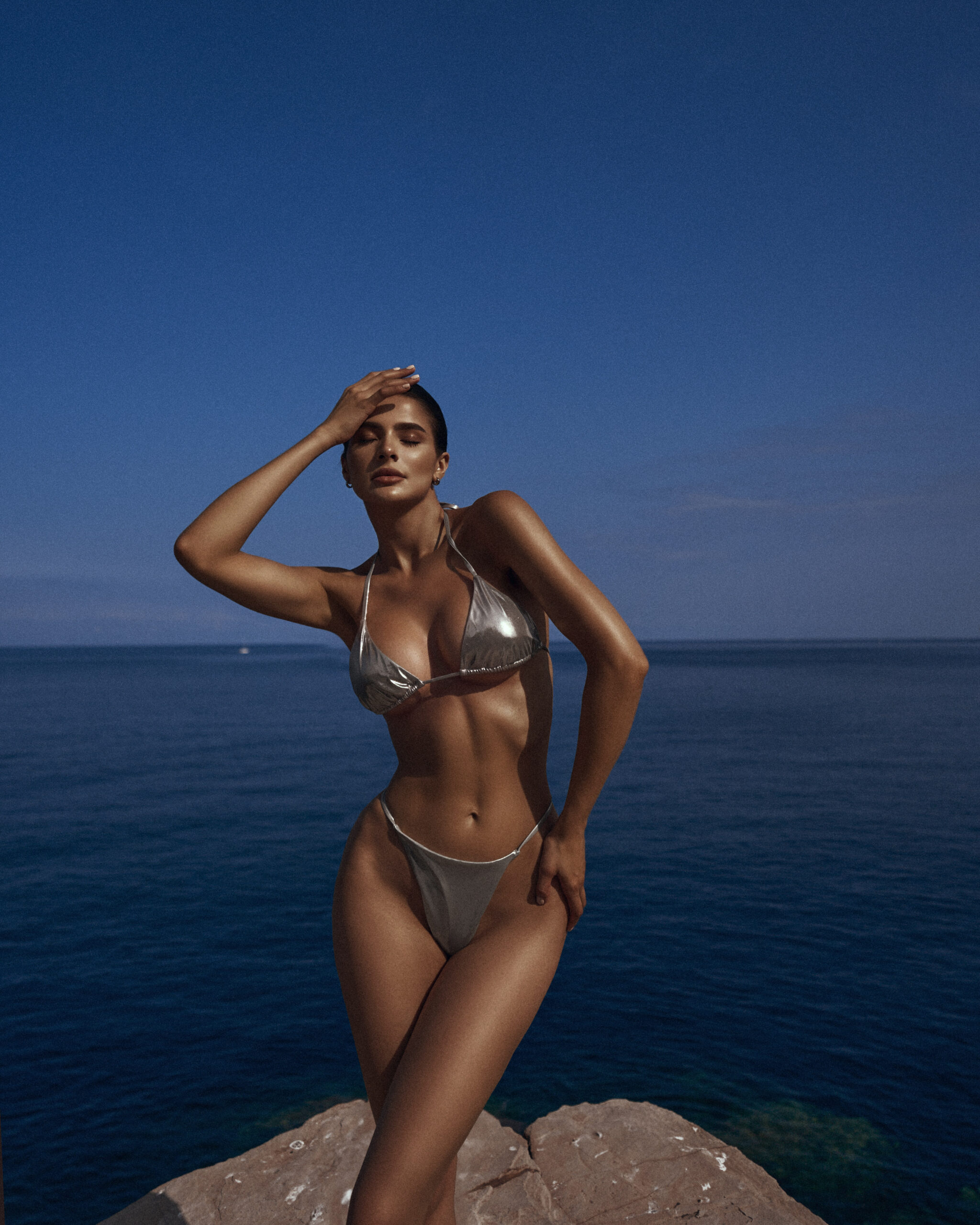
“My style says: I know exactly who I am, and I’m not asking for permission.”
When Fashion Becomes Psychology
There is also a psychological dimension to the way Zetov thinks about clothing.
She defines confidence as “imperturbability,” the ability to remain secure in yourself and your decisions without constantly looking outward for approval.
Fashion, in her experience, can reinforce that internal state.
“Dressing in a way that feels authentically powerful reinforces the internal sense that I already am who I’m presenting myself to be,” she says.
It is an idea closely aligned with the consumer psychology she has studied. Clothing can influence not only how someone is perceived, but how that person experiences themselves.
For Zetov, however, authenticity remains the deciding factor.
She dresses for herself first. An occasion may influence the details, but she has little interest in wearing something simply because it is considered appropriate for a particular room.
“If it doesn’t feel like me, I won’t wear it, no matter how ‘correct’ it is.”
That certainty has developed alongside another lesson she has learned away from fashion: not every challenge requires an immediate or dramatic reaction.
“Stillness is a form of strength,” she says. “I used to think you had to react loudly to every setback. Now I understand that staying calm, staying pragmatic, and simply moving forward is far more powerful than any dramatic response could ever be.”
From Wearing Brands to Building One
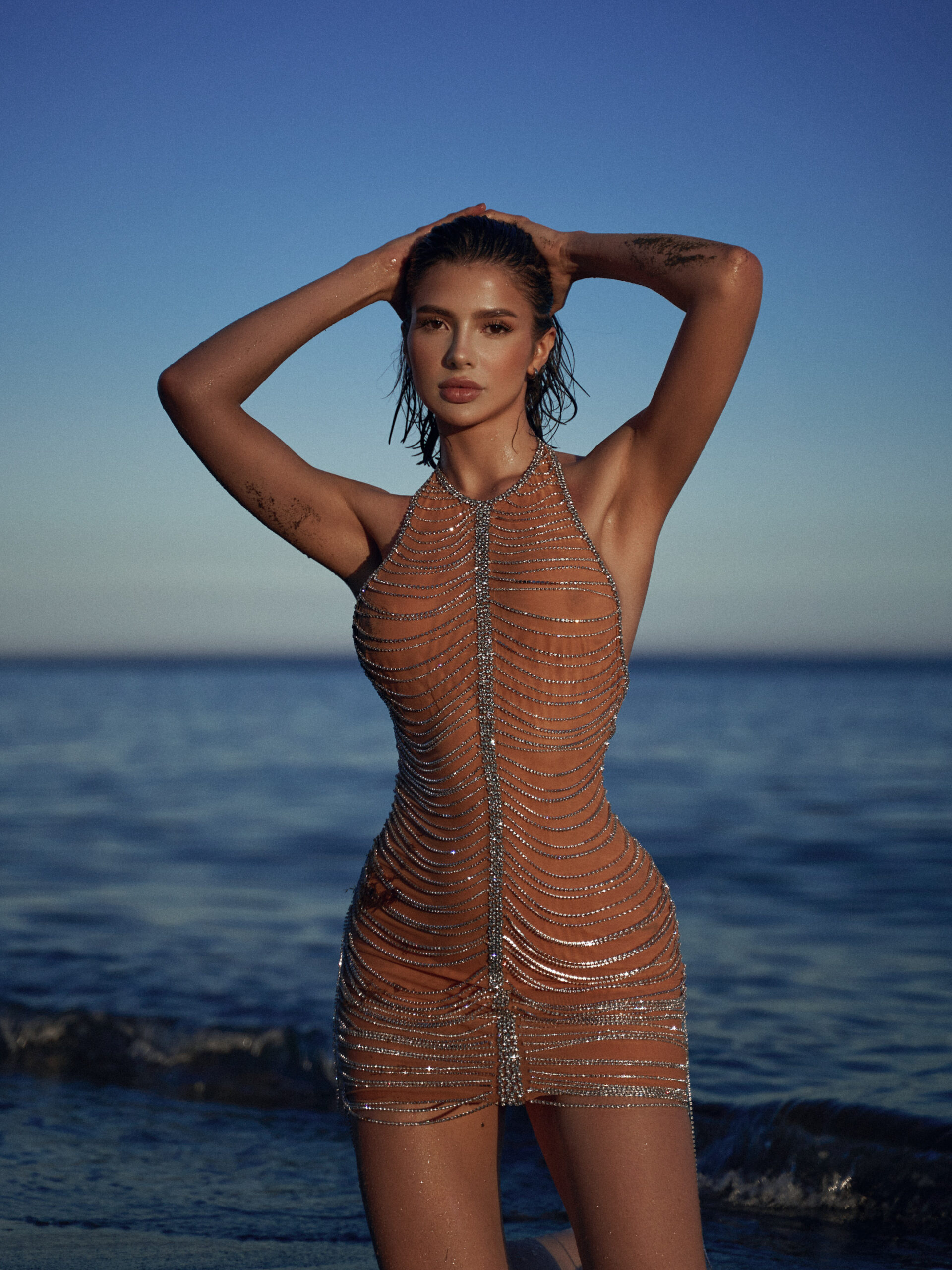
The next phase of Zetov’s career may be the one that brings all of these pieces together.
Outside of modeling, she is deeply interested in business, brand development, strategy, and creating what she calls “content ecosystems.” She is now working toward the long-term goal of launching her own fashion label.
For someone who has spent years helping communicate the identities of other brands, the transition represents an opportunity to define an aesthetic entirely on her own terms.
“I’m most excited about the transition from being a face for other brands to building my own,” she says.
Her background gives that ambition additional dimension. Modeling taught her how fashion operates from the visual side. Marketing and consumer psychology gave her insight into why audiences connect with certain ideas. Her personal style has helped establish the visual vocabulary she may eventually translate into products of her own.
As that chapter develops, Zetov expects her aesthetic to become even more focused.
Darker. More architectural. More avant-garde.
And perhaps, less concerned with simply producing an image.
The distinction matters.
Because the evolution of Viktoria Zetov is increasingly becoming less about what she wears in front of the camera and more about what she intends to create once she steps behind the brand.
The model may have been discovered by chance on a plaza in Barcelona, but what comes next is being built with considerably more intention.