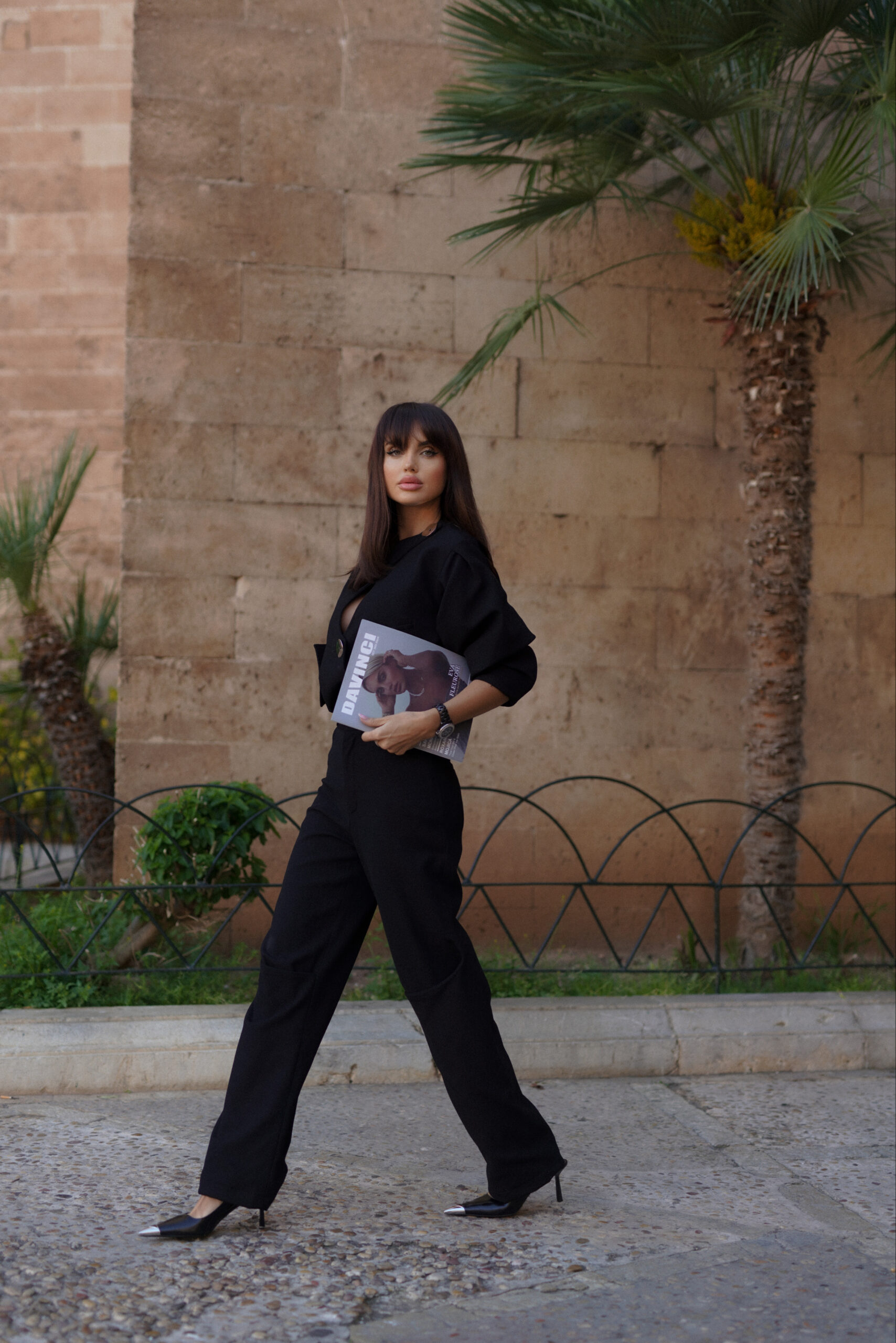


There is something fitting about Hande Yener refusing to treat her past like a museum.
After more than 25 years in the public eye, the Turkish pop artist has accumulated the things you would expect from a career built across music, performance and fashion: stage pieces, memorable looks, visual eras and clothes attached to moments audiences may remember immediately.
But Yener doesn’t look at those pieces as relics.
She sees them as chapters.
Some carry memories of performances. Others belong to albums, relationships, turning points or versions of herself that no longer exist in quite the same way. Together, they form a personal fashion archive documenting an artist who has spent much of her career resisting the idea that she should remain recognizable by remaining the same.
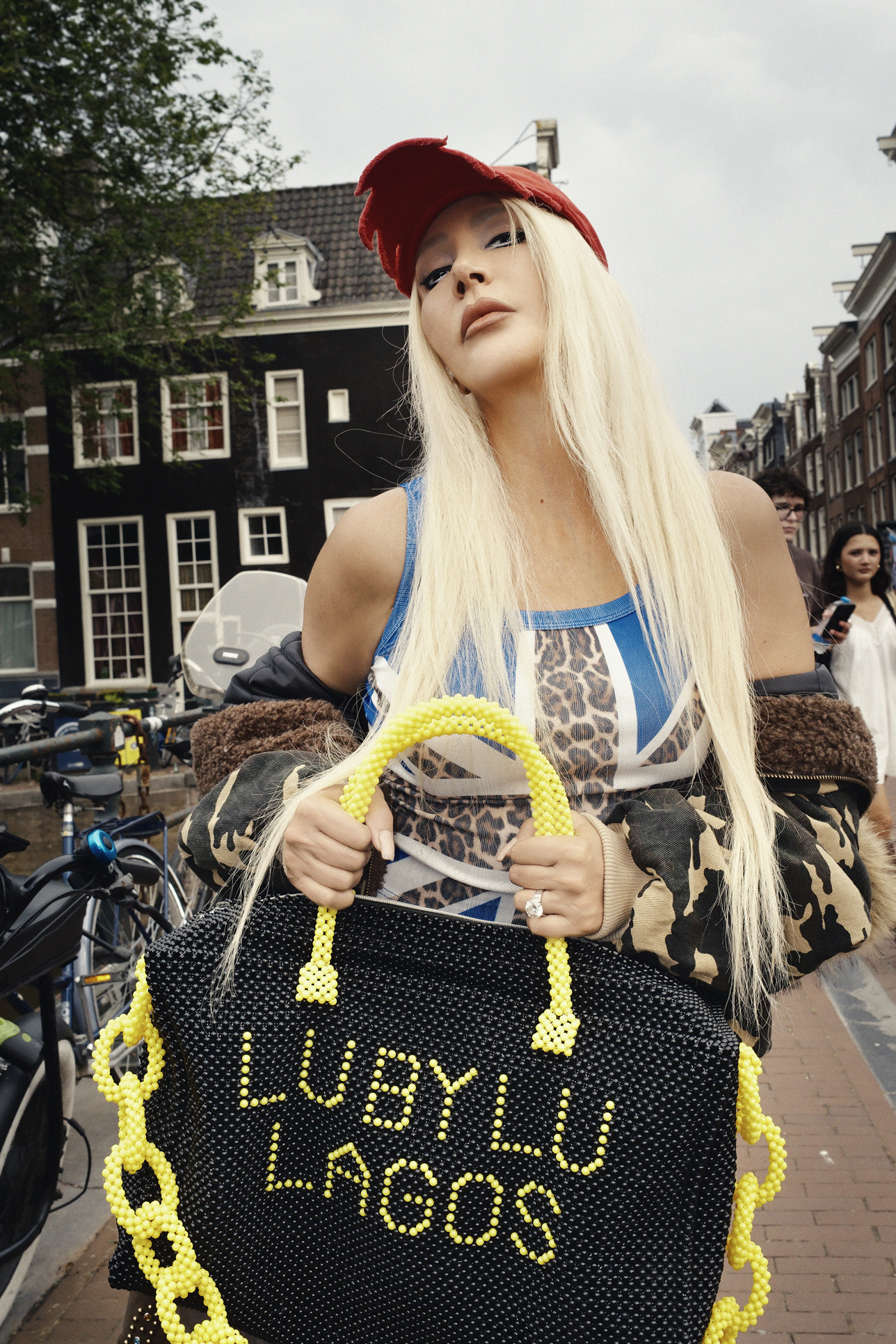
“I don’t want to arrive at a final version of myself,” Yener says. “I want to keep discovering, transforming and creating.”
That philosophy may explain why her archive is beginning another life through STAR Gene, a project connecting fashion, music, memory, conscious consumption and transformation.
For Yener, it isn’t simply an opportunity to revisit her history.
It’s another chance to change it.
Reinvention Without Erasing the Past
Reinvention is an easy word to attach to a pop artist with a career spanning decades. For Yener, however, change isn’t about discarding one identity and manufacturing another.
It’s about allowing herself to evolve publicly.
“My music, my style and my visual world are reflections of what I feel and who I am in that moment,” she explains. “I don’t want to repeat a version of myself simply because people already know or love it.”
That curiosity has become one of the constants of her career.

The sound may change. The clothes may change. The visual language surrounding an album or performance may change. Yet underneath those transformations, Yener sees the same instincts driving her forward: curiosity, freedom and a willingness to follow whatever feels creatively honest.
She doesn’t reinvent herself simply for the reaction.
“I change because life changes me,” she says. “The surprise is just a natural result of continuing to grow.”
That distinction matters.
Longevity, in Yener’s view, isn’t achieved by endlessly becoming someone else. It comes from understanding which parts of yourself are flexible and which parts form the foundation.
For her, evolution and authenticity aren’t opposites.
They depend on each other.
Fashion as a Second Language
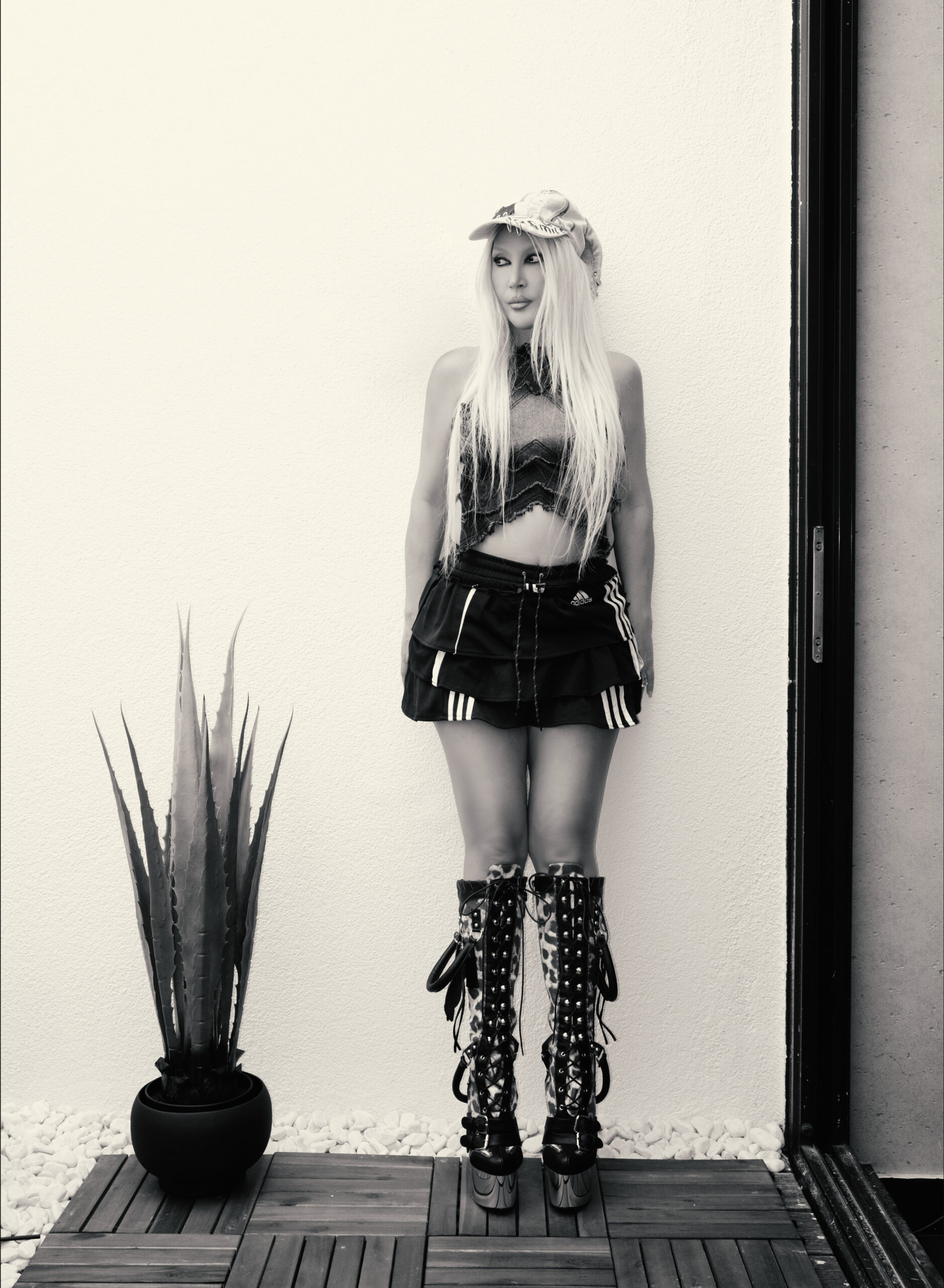
Fashion has never existed on the sidelines of Yener’s music.
It has been part of the storytelling.
“Fashion is another language for me,” she says. “Music allows people to hear what I feel, while fashion allows them to see a part of it before I even say a word.”
That relationship developed throughout her career as collaborations with designers, stylists and other creatives expanded her visual vocabulary. Travel introduced new cities, cultures and approaches to personal expression.
But inspiration never meant imitation.
Yener absorbed what she encountered and filtered it through her own instincts. As her world expanded, she describes her style as becoming “more open, more fearless and more instinctive.”
That fearlessness also made clothing more than decoration.
A look could communicate attitude before a song began. It could reveal contradiction, playfulness, confidence or a side of her personality that lyrics alone couldn’t capture.
Sometimes the music arrived first. Other times, an image, feeling, outfit or ordinary moment sparked an idea.
Yener doesn’t insist on a formula.
Eventually, the sound, clothing and visual identity find each other.

The Clothes Remember
It took time for Yener to understand exactly what she had been building.
There wasn’t a single moment when a wardrobe suddenly became an archive.
Instead, she began noticing what happened when she encountered older pieces.
She remembered where she had worn them, but also who she had been while wearing them.
The clothes held more than public history.
They carried private memories.
Relationships. Emotions. Challenges. Beginnings. Endings.
A garment could return her to a stage or an album era, then simultaneously remind her of a version of herself that existed behind everything the audience saw.
“My archive is not just a collection of fashion,” she says. “It is a collection of moments, transformations and memories, a visual diary of my journey.”
That makes revisiting it an unexpectedly personal exercise.
She can encounter an older version of Hande Yener without feeling obligated to become that woman again.
There is freedom in that distance.
Why STAR Gene Makes Sense Now
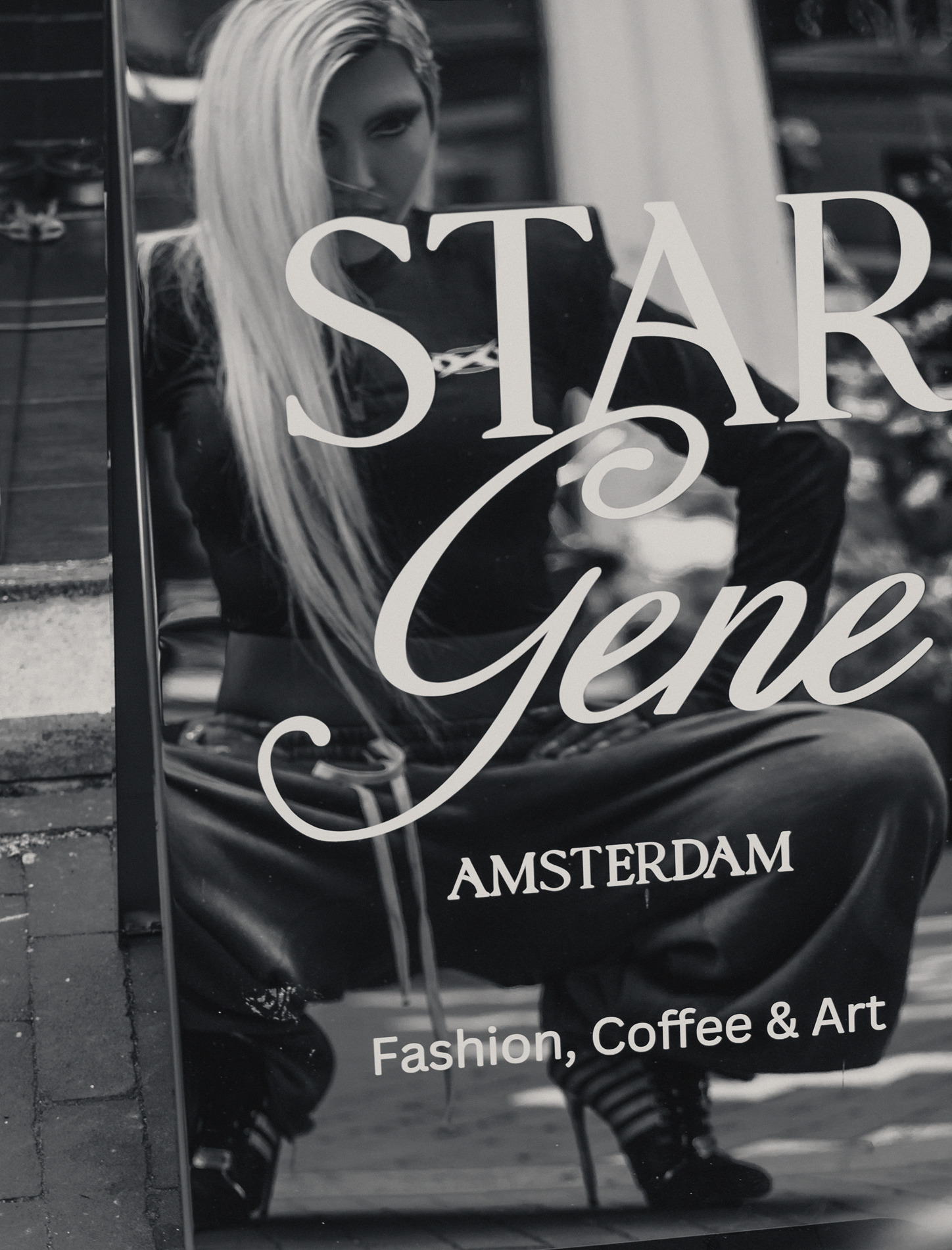
Yener had long imagined creating something within fashion.
Design was one possibility. Building an entirely new fashion world was another.
But another question began shaping that ambition: Could she pursue it in a way that was more conscious about what already existed?
STAR Gene offered an answer.
Instead of beginning with the assumption that creativity required making more, Yener could begin with pieces that already carried history, character and emotional value.
She could open the archive.
“Instead of constantly creating something new, I could begin with pieces that already existed, pieces with history, character and memories, and allow them to have another life,” she says.
It also gave her an opportunity to reveal something more intimate than audiences might have encountered through her music alone.
Through STAR Gene, fashion becomes both material and memory.
Pieces that once belonged to a particular Hande Yener era can move into another person’s world, where they can be styled, interpreted and understood differently.
For an artist whose career has been built around transformation, there is an obvious poetry to it.
Letting Go Without Losing the Memory

Archives often revolve around preservation.
Yener’s relationship with hers is less possessive.
She doesn’t believe that holding onto a memory requires physically holding onto everything connected to it.
“The memory connected to a piece will always belong to me, no matter where that piece goes or how someone else chooses to wear it,” she says.
That makes letting go another form of transformation.
Someone else can take a piece from her history and give it a completely different energy. The original story remains intact, but it is no longer the only story the garment can tell.
For Yener, that’s part of what makes the process beautiful.
The memory stays.
The clothing keeps moving.
Beyond Turkey
As STAR Gene has traveled from Amsterdam across Europe, Yener has watched pieces from her history enter cultural and stylistic contexts far removed from where they began.
She is careful not to frame that experience simply as Turkey meeting Europe.
Creativity, in her view, doesn’t belong to a single geography.
What interests her is interpretation.
A garment she once styled one way can become something completely different when another person approaches it with their own culture, personality and sense of style.
It has reinforced her belief that strong fashion can outlive the moment for which it was originally created.
Trends disappear.
Context changes.
But a piece with genuine character can continue finding relevance.
“The history remains, but the possibilities are endless,” she says.
America Is the Next Conversation
Now Yener is looking toward the United States as another potential chapter for STAR Gene and her archive.
What intrigues her most isn’t simply entering another market.
It’s American individuality.
She is drawn to the variety of personal style and the willingness she sees in people to be extravagant, bold or unapologetically individual.
That feels familiar to an artist who readily admits she has never been particularly afraid of being “too much.”
The interesting part will be watching what happens when someone else encounters an archival Hande Yener piece without the same relationship to its original context.
They may style it in a way she never considered.
That’s precisely the point.
For an American audience discovering Yener through fashion before hearing her music, the archive may actually be an appropriate introduction.
“I have never wanted to be defined by just one thing,” she says.
Her clothes tell that story before the first song plays.
A Personal Record of Changing Culture
There is also a broader history contained inside a wardrobe accumulated across more than two decades of popular culture.
Yener stops short of positioning her archive as a definitive record of Turkish pop culture. It is something more personal.
It documents what she saw.
Across those years, music changed. Fashion changed. Beauty changed. Visual culture changed. The boundaries surrounding how artists could present themselves shifted too.
Her archive captures her response to those changes.
Sometimes she moved with the energy of the moment.
Sometimes she pushed against it.
Sometimes she created a visual language entirely her own.
Rather than documenting a culture from the outside, the clothes reveal what it felt like for one artist to live, create and transform inside it.

There Are Still More Versions to Come
Perhaps the most revealing thing about Hande Yener’s relationship with her archive is that she doesn’t seem particularly interested in using it to declare that the story is complete.
Quite the opposite.
“I hope there are still versions of me that even I haven’t met yet,” she says.
After more than 25 years, she still talks about creativity as unfinished business.
There are ideas that haven’t found their form. Worlds that haven’t been built. Possibilities across music, fashion and visual storytelling that remain unexplored.
She isn’t eager to reveal exactly what those are.
The unknown is part of what keeps the process exciting.
STAR Gene, then, isn’t a retrospective in the traditional sense.
It’s a bridge.
The project allows Yener to honor what she has created without becoming trapped by nostalgia. Her archive can travel. The clothes can meet new people and cultures. Old pieces can generate new conversations. Fashion can become more conscious without sacrificing imagination.
Most importantly, the past doesn’t have to compete with whatever comes next.
“When I look back on this chapter one day, I hope I see it as a moment when I allowed my world to become bigger without losing what made it personal,” Yener says.
That might be the clearest way to understand Hande Yener after more than two decades of transformation.
She isn’t trying to escape the woman she used to be.
She carries every version with her.
She simply refuses to stop becoming the next one.