
There is something intimidating about walking into an established art gallery.
The walls are immaculate. The artwork is extraordinary. The prices are often left unspoken. For many visitors, the experience begins and ends the same way. They admire the work, take a few photographs, and leave believing that collecting contemporary art belongs to someone else.
CJ Hendry’s Pastel at Salon 94 Design quietly challenged that idea.
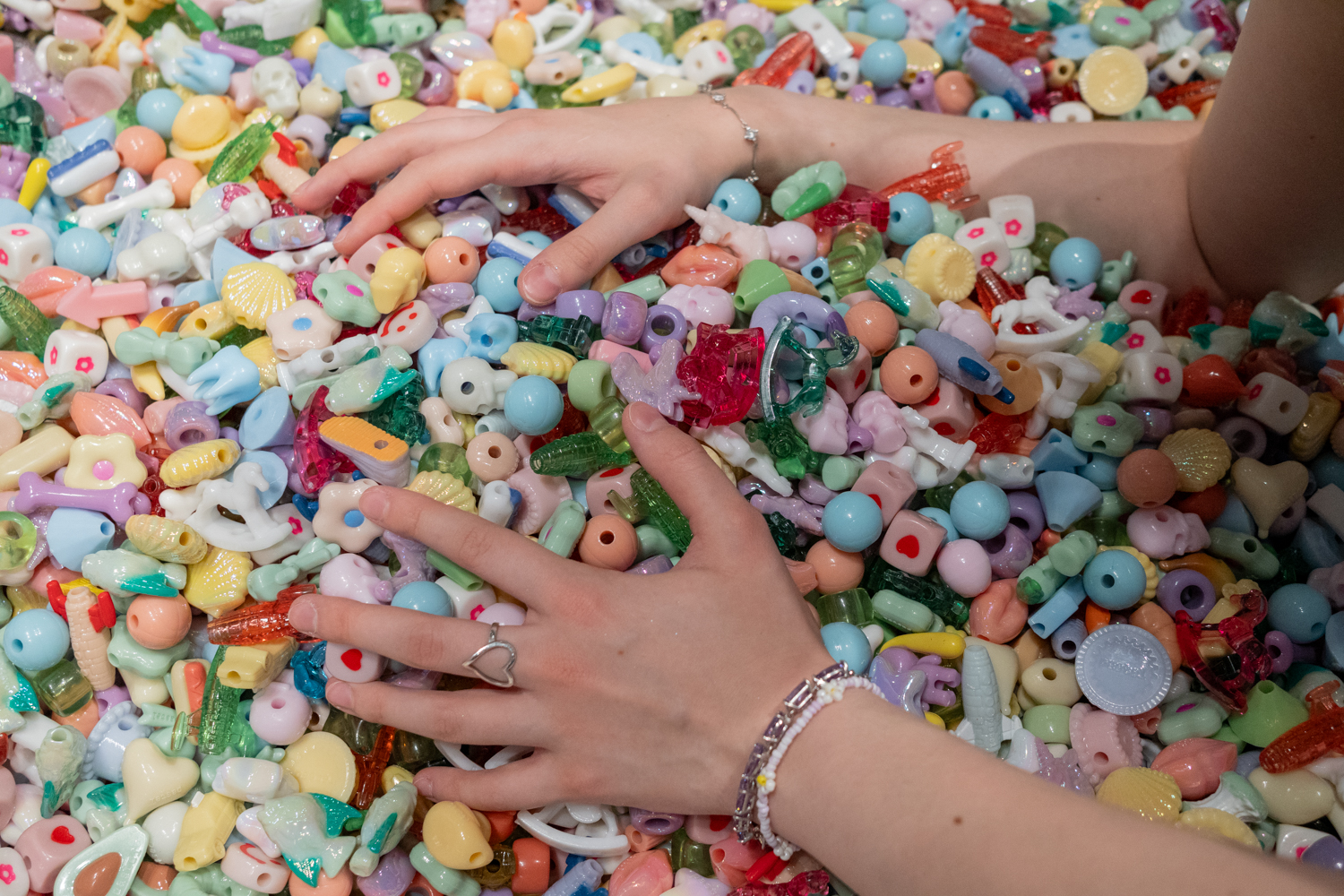
Walking into Pastel, it immediately feels like stepping into CJ Hendry’s world. Thousands of pastel-colored beads transform Salon 94 Design into an immersive environment where visitors are encouraged to interact with the installation rather than simply observe it.
It sounds simple.
In reality, it’s a surprisingly thoughtful idea.
The collaboration itself is worth noting. Brought together through art market expert Magnus Resch, the exhibition brings Hendry’s independently built practice into Salon 94 Design, a gallery with a long-established reputation in contemporary art. The pairing feels natural. Hendry has spent years creating experiences that reach audiences well beyond the traditional art world, while Salon 94 Design has built its reputation by presenting influential artists and designers.
Walking through the opening, I found myself thinking about something beyond the artwork itself.
Most people walk into galleries assuming that everything on display exists beyond their reach. Whether that’s because of price, perception, or simply because they don’t see themselves as collectors, there is often an invisible barrier between the visitor and the work.
Pastel lowers that barrier.
No, creating a bracelet from the exhibition isn’t the same as acquiring one of Hendry’s original works.
That isn’t the point.
The point is participation.
Visitors leave with something they made themselves, something directly connected to the exhibition. It may be a bracelet, a necklace, or a charm, but it changes the relationship between the visitor and the gallery.
They’re no longer just spectators.
They’re participants.
That psychological shift is what makes the exhibition memorable.
Throughout the afternoon, I watched people comparing the bracelets they had just made. Friends debated colors. Conversations formed naturally around the bead tables. There was an energy in the room that felt different from the quiet reserve often associated with contemporary gallery openings.
What stayed with me most was watching visitors leave carrying something they had created inside one of New York’s respected galleries.
No one believed they were walking away with a museum masterpiece.
But they were leaving with something more valuable than a souvenir. They were leaving with a personal connection to the exhibition. For many visitors, that small object marked the moment they stopped feeling like outsiders looking in and began feeling like participants.
As someone who has spent years photographing gallery openings, museums, art fairs, and cultural events around the world, I found that especially refreshing. The afternoon wasn’t memorable because of celebrity sightings or speculation about the art market. It was memorable because it reminded me that art is at its best when it invites people in rather than keeping them at a distance.
For decades, galleries have introduced audiences to artists while collectors have preserved their work. Pastel suggests there is room for something in between. A visitor doesn’t need to become a major collector on their first visit. Sometimes all it takes is walking through the door, engaging with the work, leaving with something personal, and realizing that the world of contemporary art may be more welcoming than it first appears.
That may be Pastel‘s greatest achievement.
Visitors didn’t simply leave having seen an exhibition.
They left feeling they had participated in one.
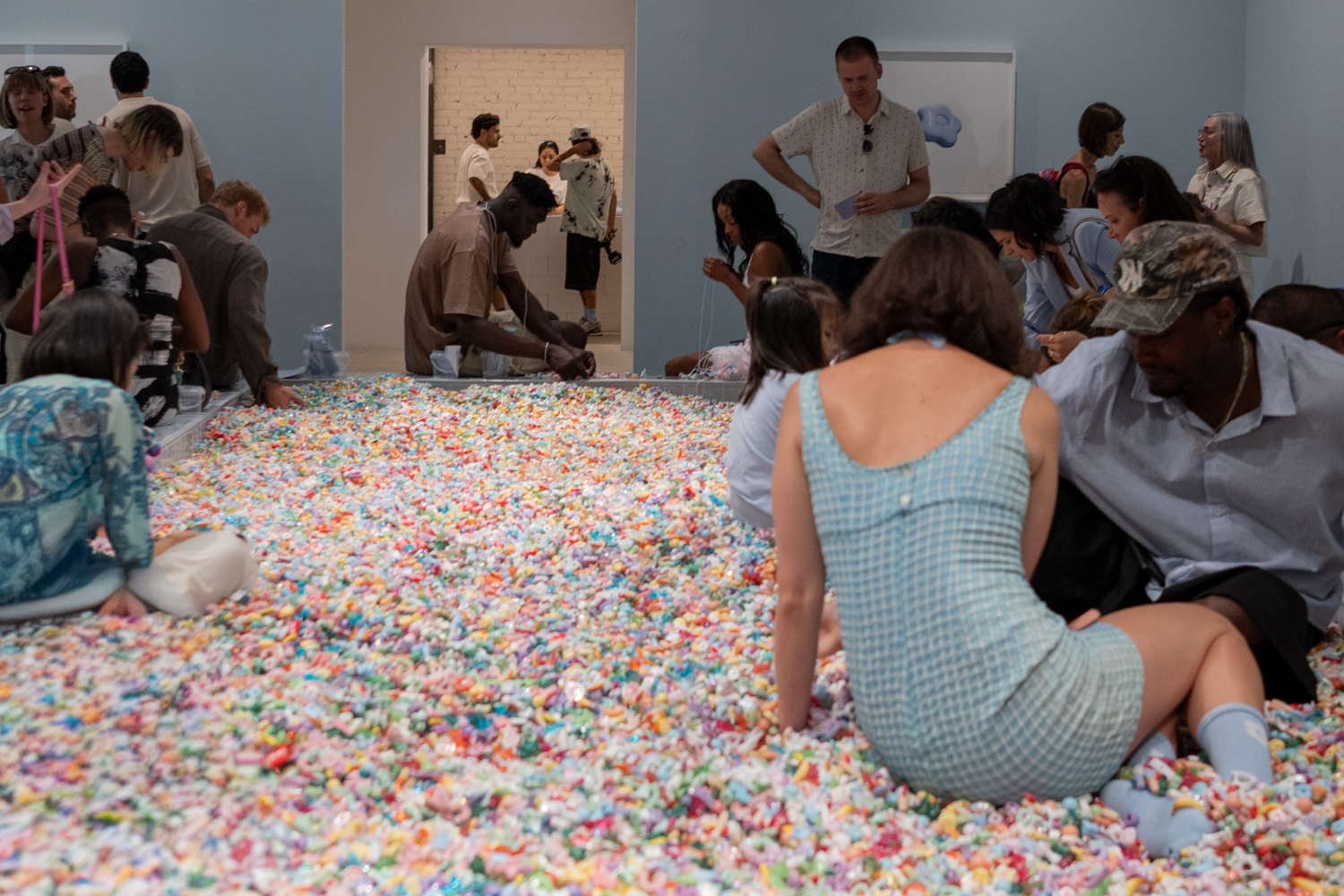
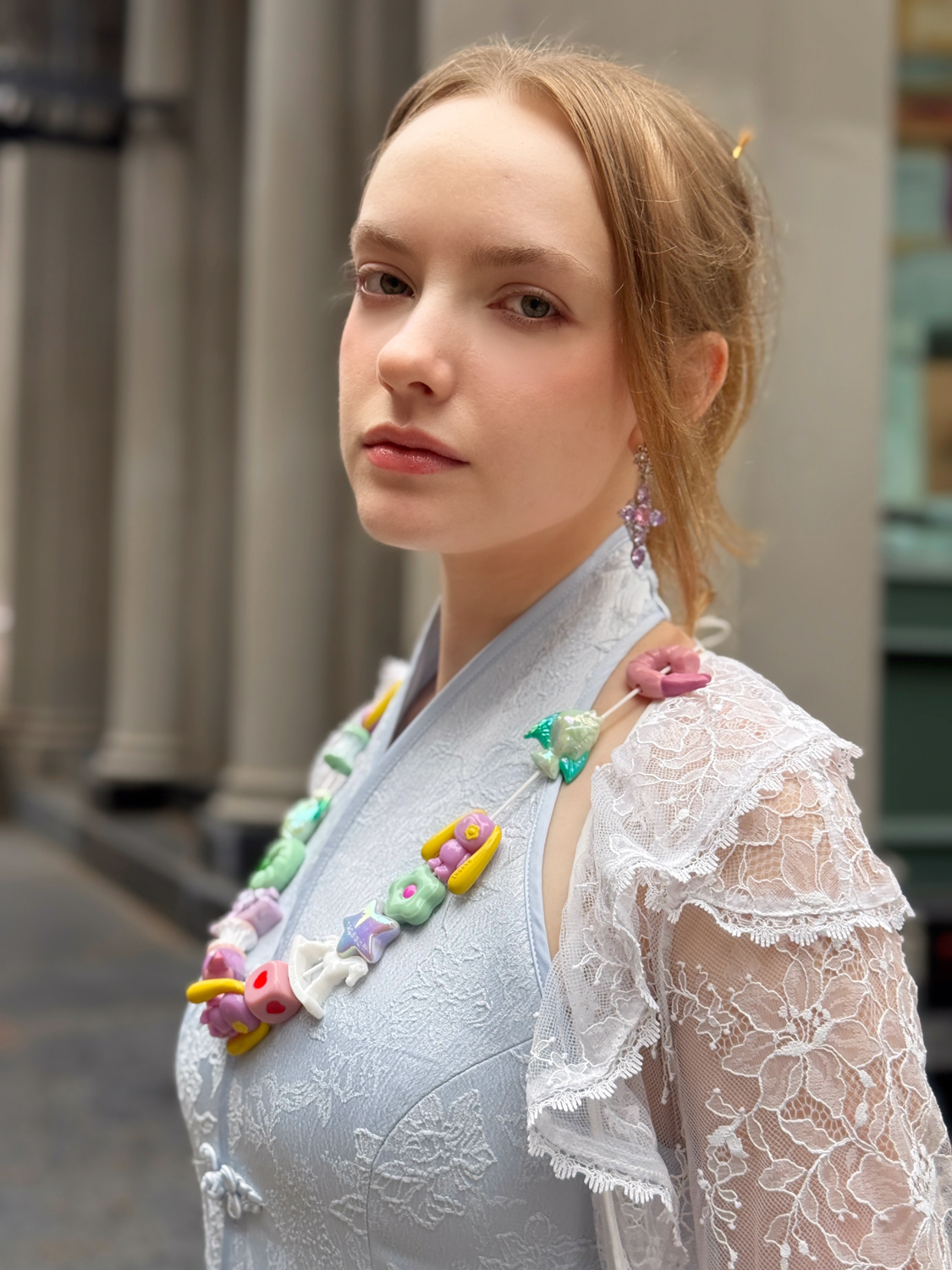
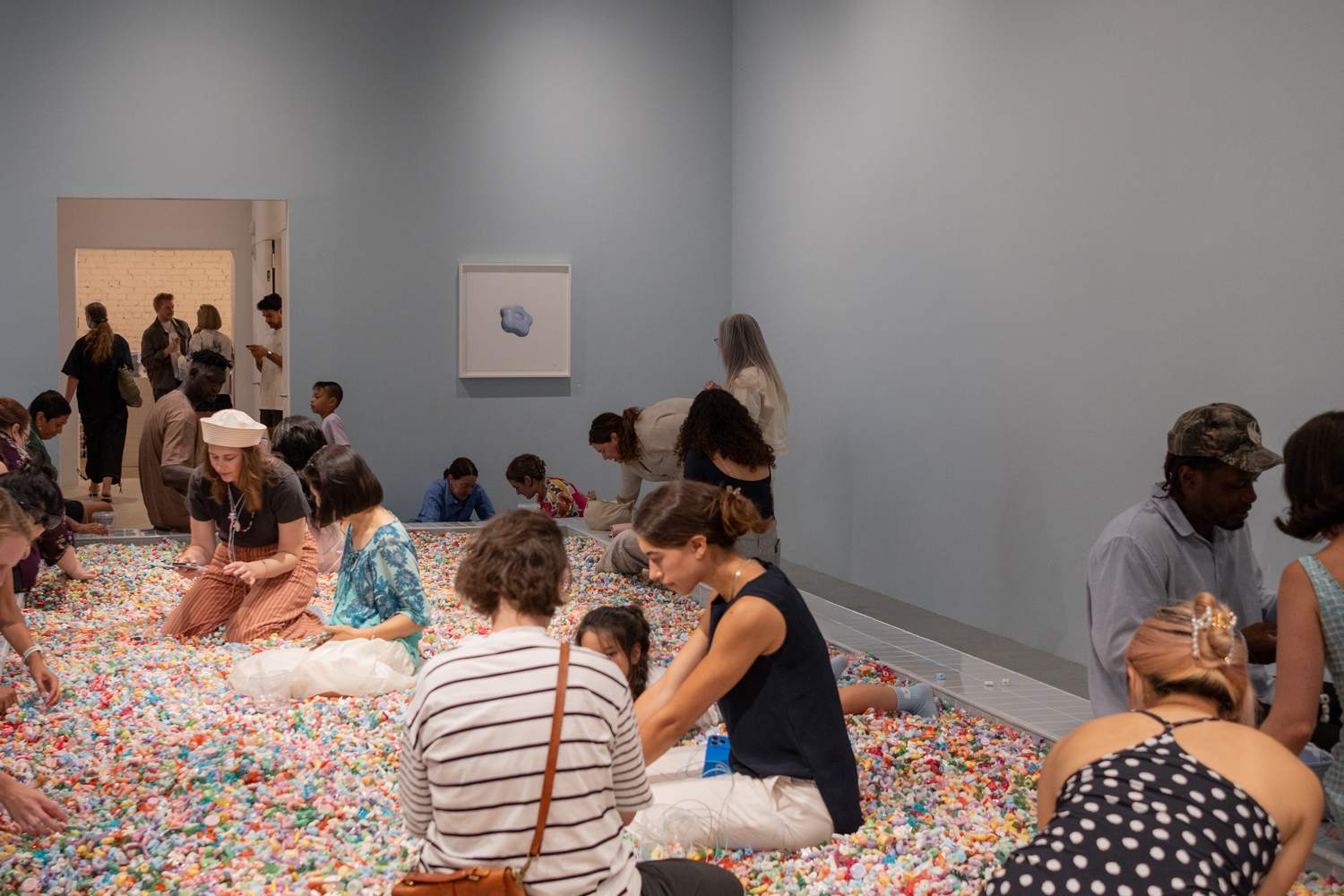
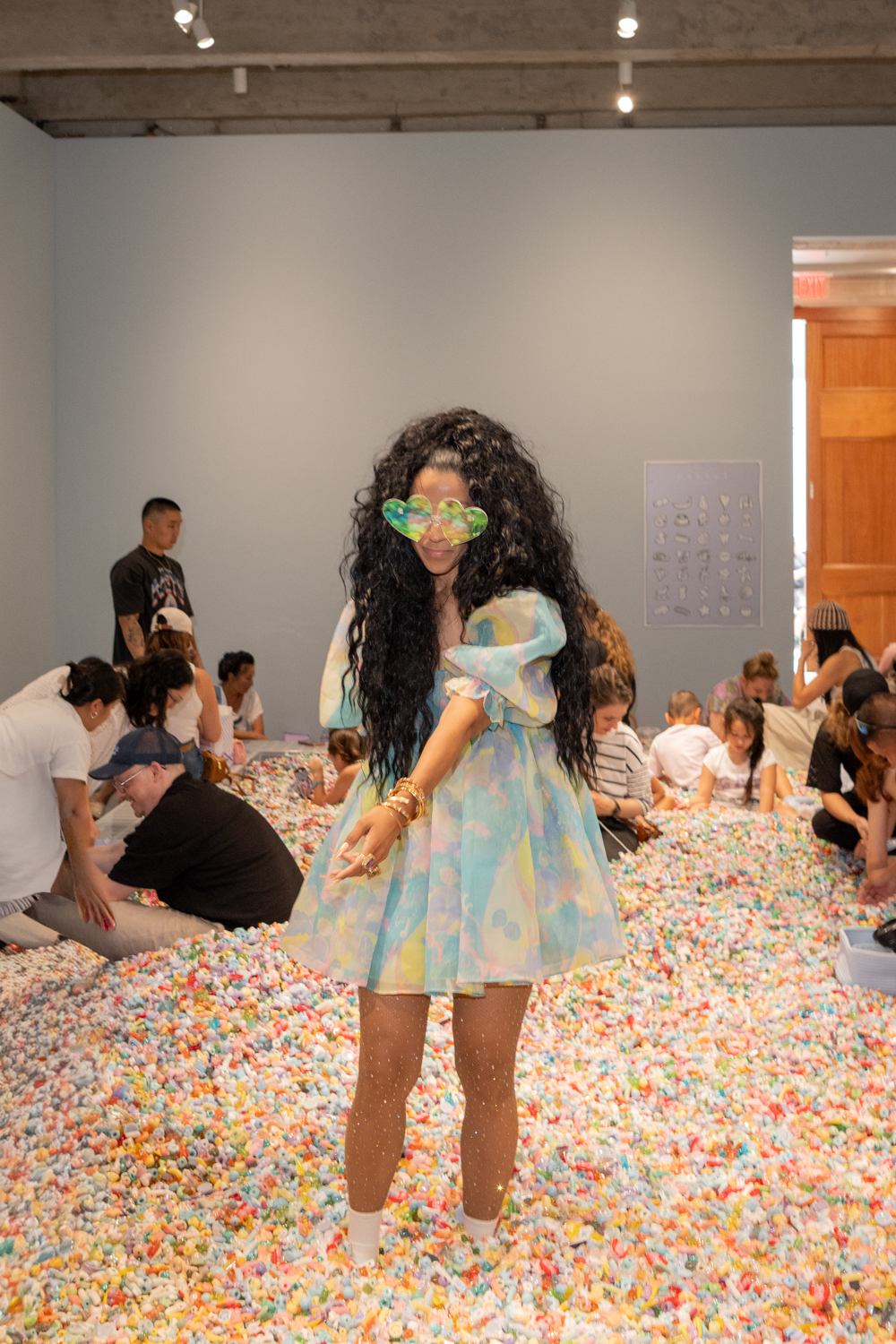
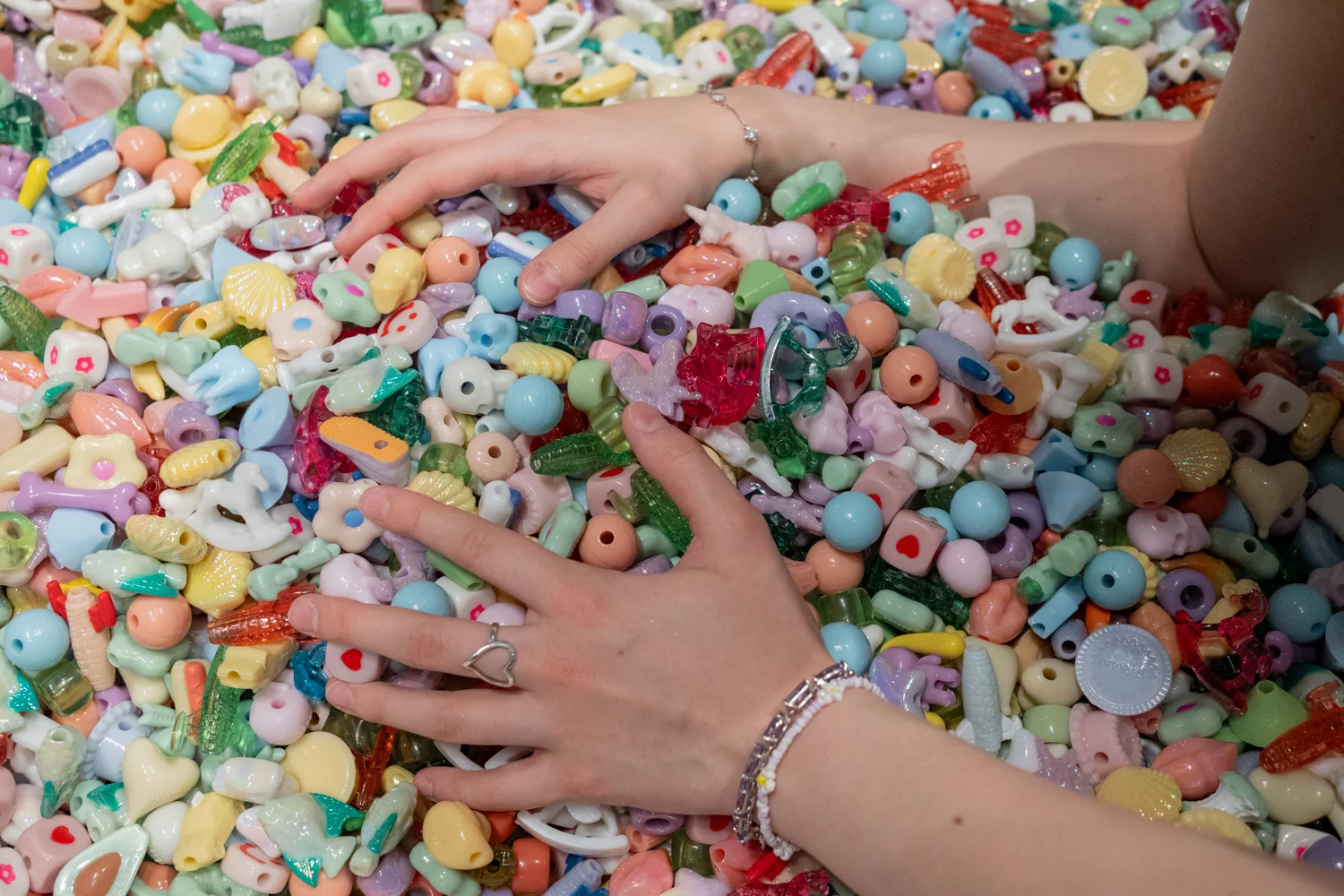
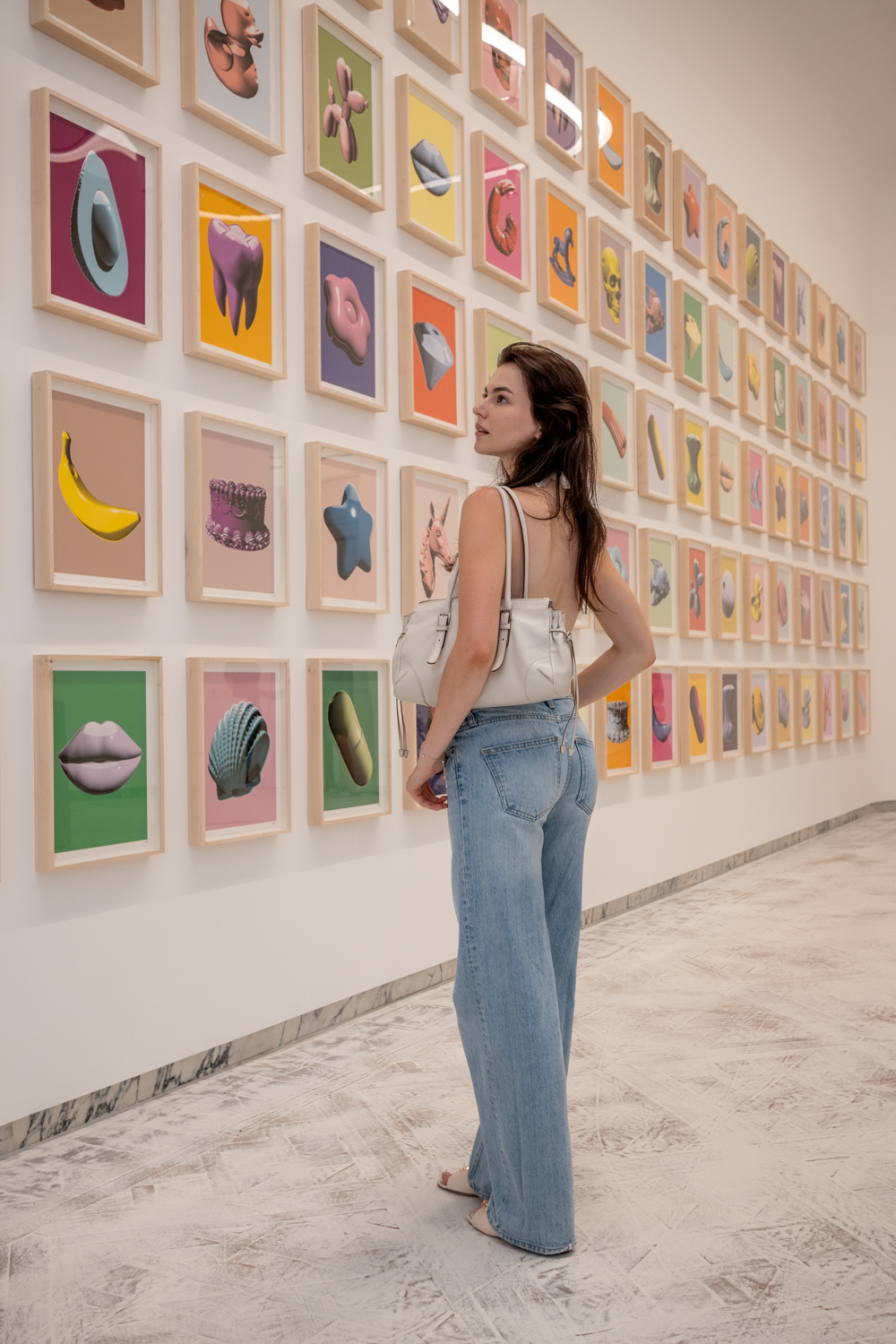
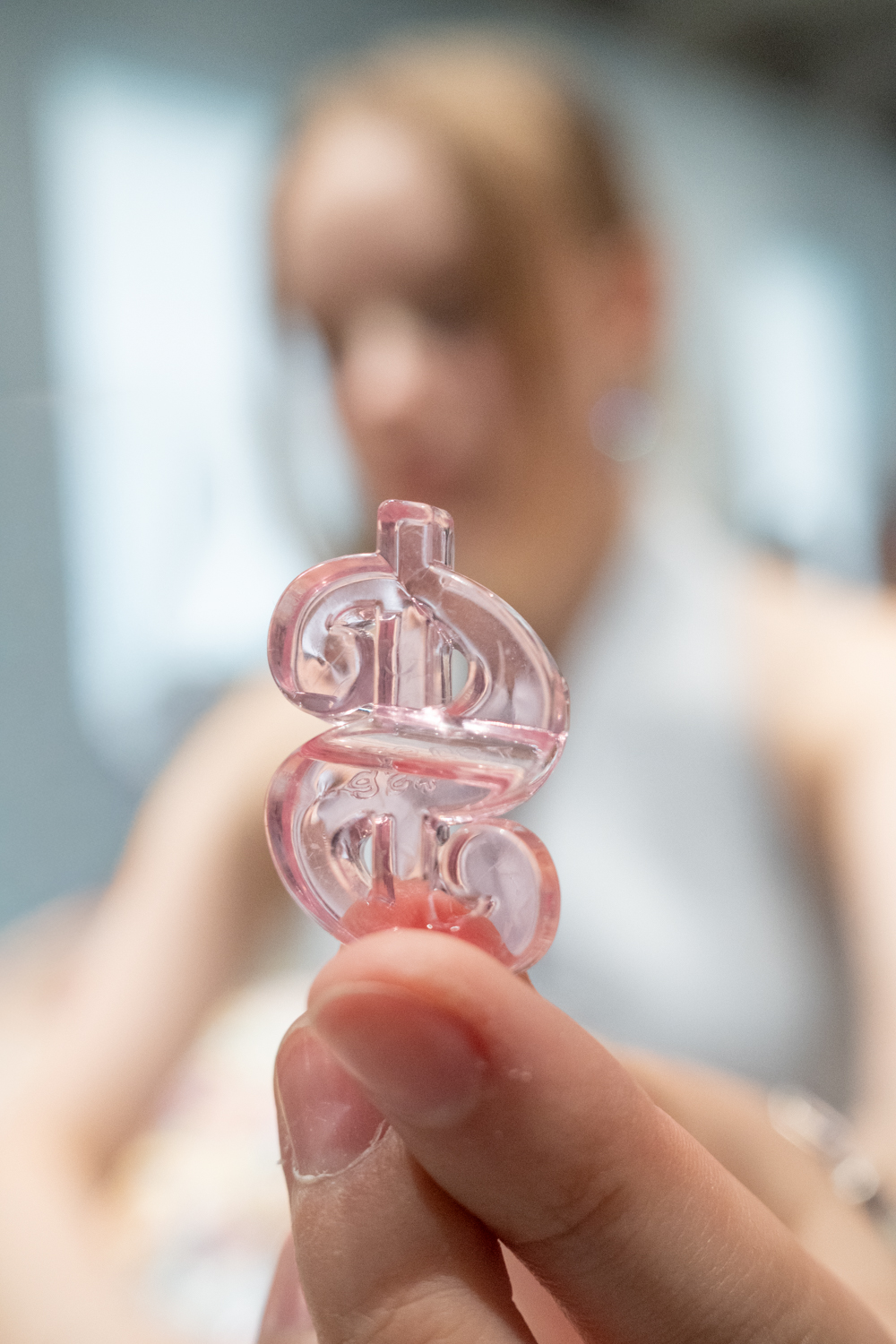
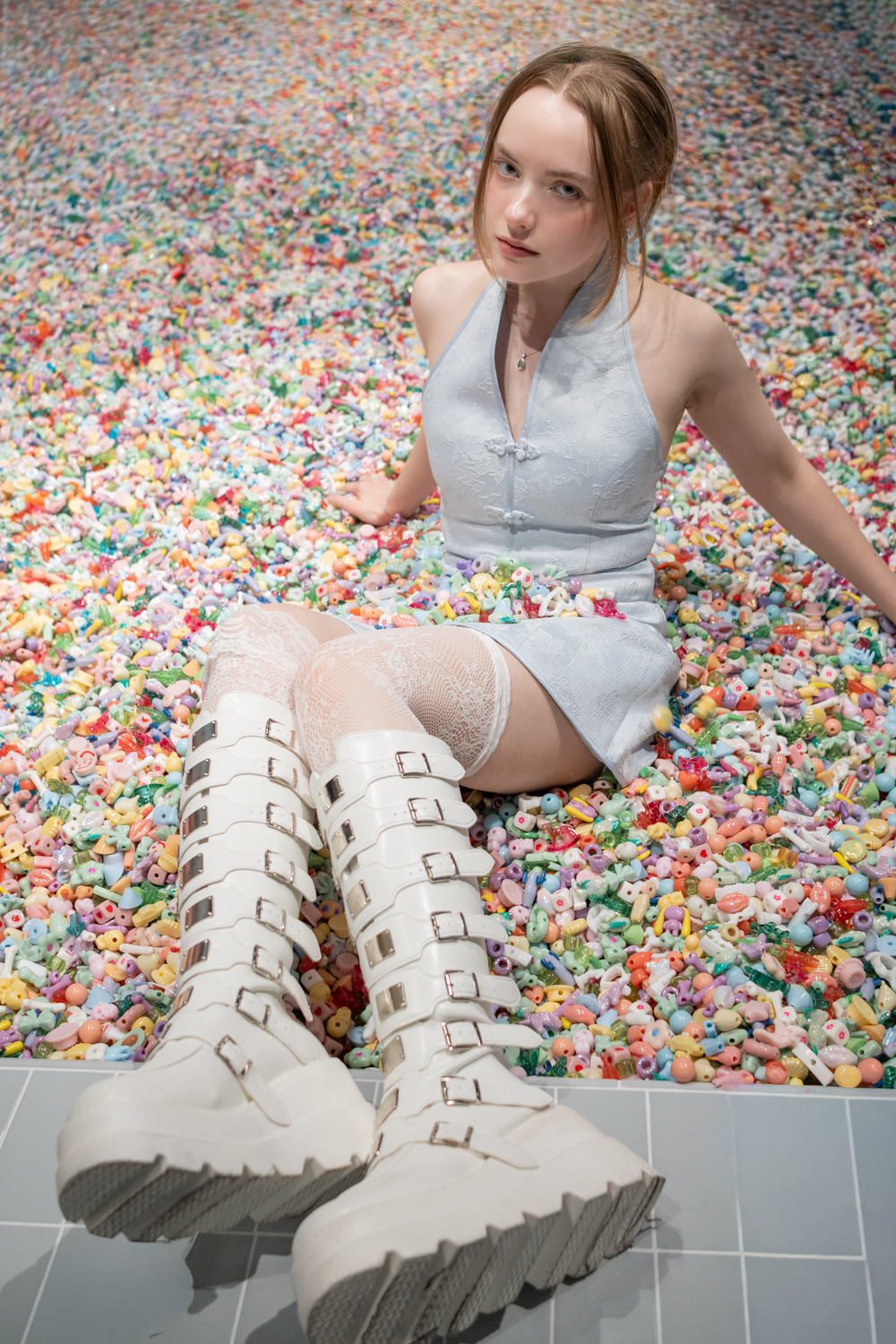
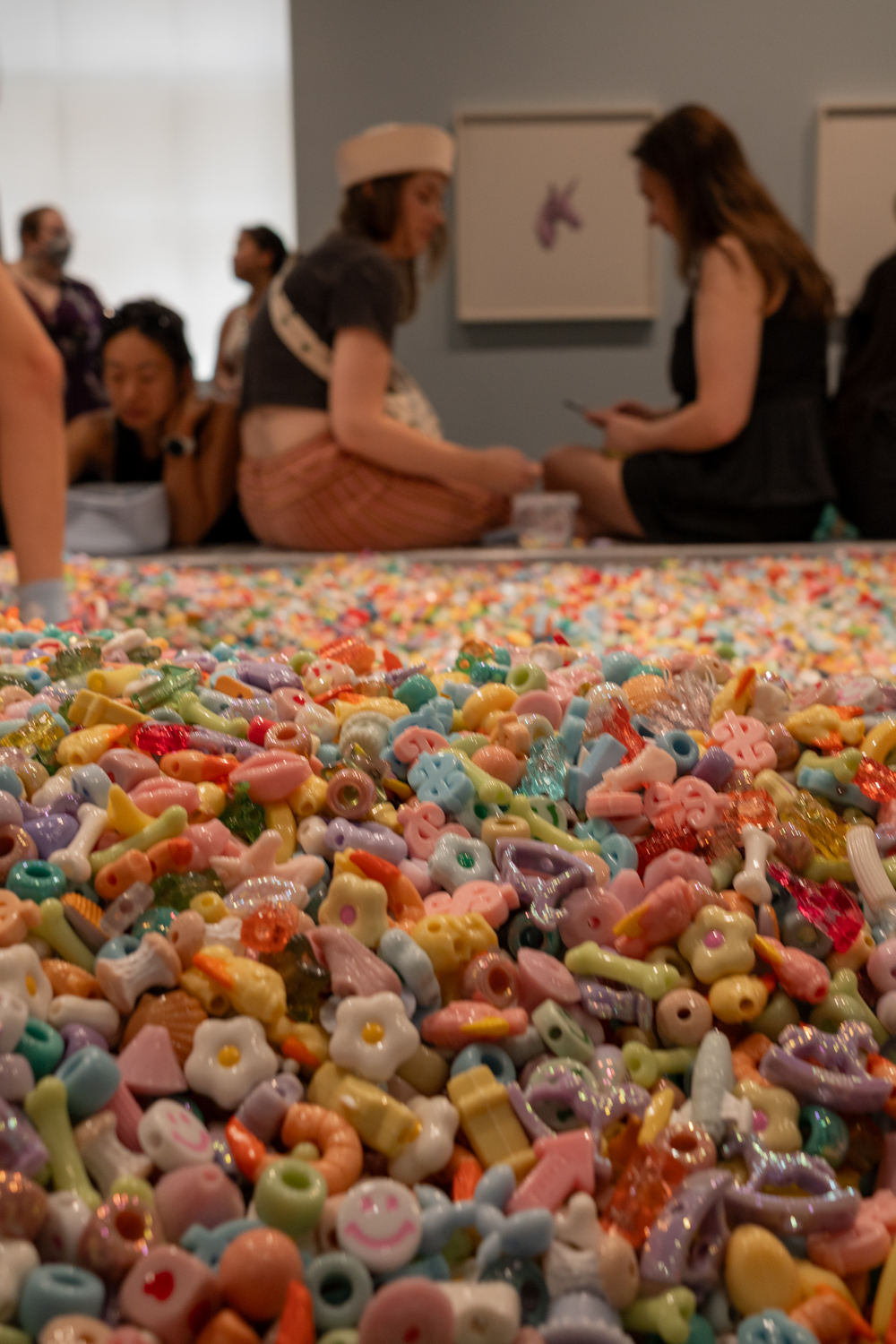
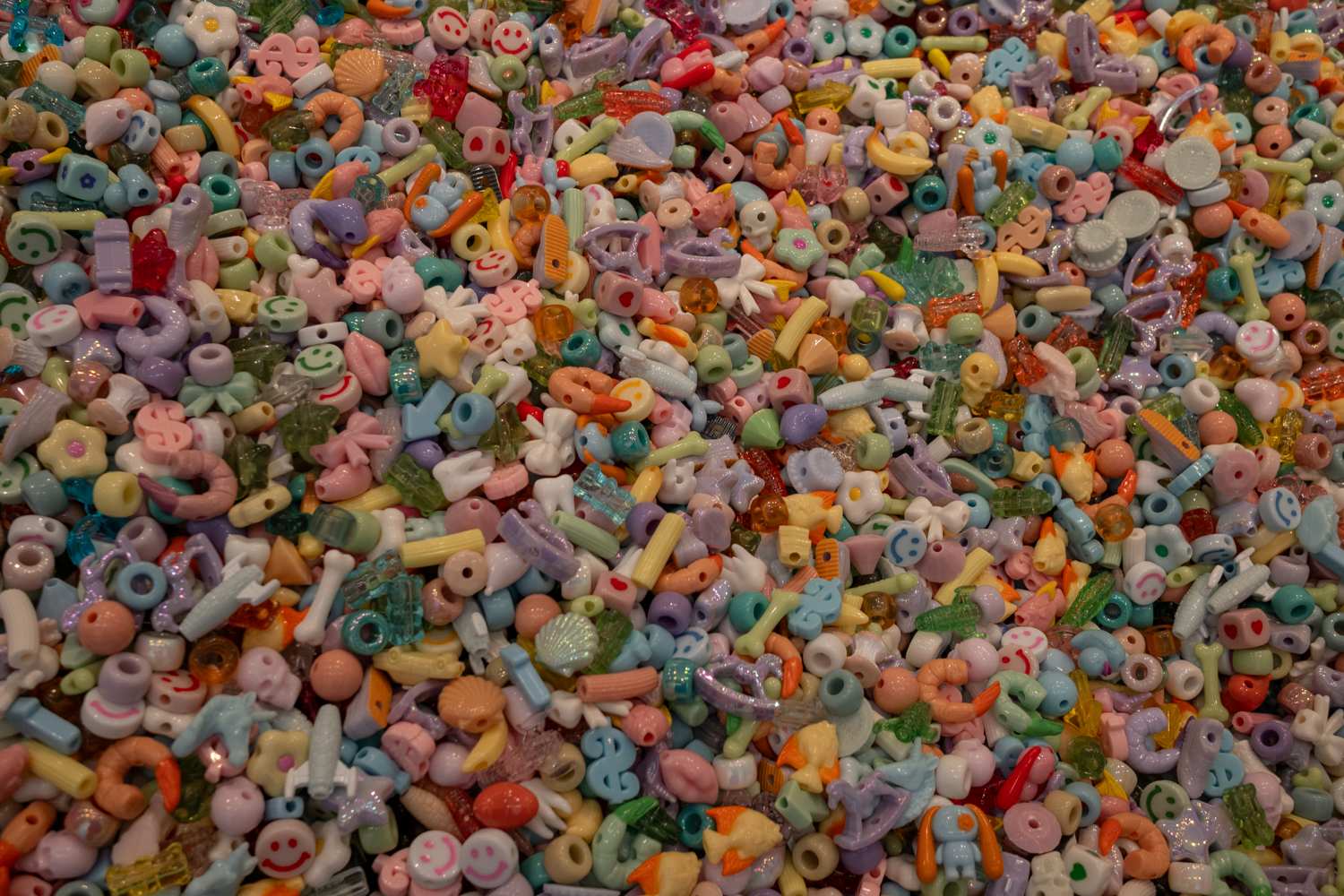
Photo Credits: Peter Koloff