

The livestreamer attended his first New York Fashion Week show alongside French Montana, bringing the culture of real-time streaming into one of fashion’s most theatrical rooms.
By Peter Koloff
N3on did not look overwhelmed at his first fashion show.
He looked like someone used to being watched, which is exactly what he is.
At The Blonds during New York Fashion Week, the livestreamer made his fashion week debut alongside French Montana. He moved through the room comfortably, posing for photographs and absorbing the attention around him. What stood out was not simply that he was there. It was what happened around him once people realized he was.
A small crowd began to form.
Guests moved in for selfies, phones raised, angling for their own photographs with him. I took one too.
That moment said more than a standard celebrity sighting would have. N3on was not simply occupying the room. He was generating activity around himself in real time, much the way he does online.
French Montana, standing beside him, represented a more familiar version of celebrity. He has spent years moving through music, nightlife, fashion and entertainment, and the environment felt natural around him. The two posed together for photographs, but they had arrived at the same place through very different systems.
N3on came through livestreaming.
Fashion already understands the influencer model. A creator attends an event, captures content, edits it and publishes a polished version afterward. The audience sees the experience once it has been shaped.
Livestreaming changes that relationship.
The audience can experience the waiting, the conversations, the awkward moments, the crowding and the unexpected parts as they happen. There is far less distance between the event and the people watching it.
The value is not simply reach.
It is immediacy.
For brands, that creates a different kind of opportunity. A traditional celebrity brings recognition. An influencer brings content. A livestreamer can potentially bring an audience directly into the room while the event is still unfolding.
That also means giving up some control.
Fashion can keep control of the runway photographs, but not necessarily the feed. The version of the show that reaches the largest audience may be the one the brand never approved.
Fashion has traditionally been careful about how its image is presented. Campaigns are art directed. Runway photographs are selected. Social posts are edited. Livestream culture works differently. It is fast, unfiltered and difficult to fully manage.
That tension is part of what made N3on’s presence at The Blonds interesting.
The setting was particularly appropriate. For two decades, The Blonds has built its identity around spectacle, performance and personalities who understand attention. Its shows are designed to be experienced as events, not simply collections of clothing moving down a runway.
Watching N3on move through that environment, it was easy to see why the worlds fit together.
His career is also built around attention, only the mechanics are different. Instead of a stage, magazine cover or traditional media campaign, the connection happens through a camera and an audience that can remain with him for long stretches of time. DaVinci has previously explored how livestreaming turns continuous presence itself into the product.
Standing beside French Montana, the contrast became even clearer.
One represented an established form of celebrity built through music, entertainment and the traditional media ecosystem.
The other represented a newer one, built through constant access and an audience accustomed to experiencing moments as they happen.
For fashion, that difference may become increasingly important.
The industry spent the last decade learning how to work with social media creators. Livestreamers introduce another layer, one where the person invited into the room can also function as a direct media channel out of it.
At The Blonds, that shift was visible without needing much explanation.
N3on came to his first New York Fashion Week show.
Then people started gathering around him.
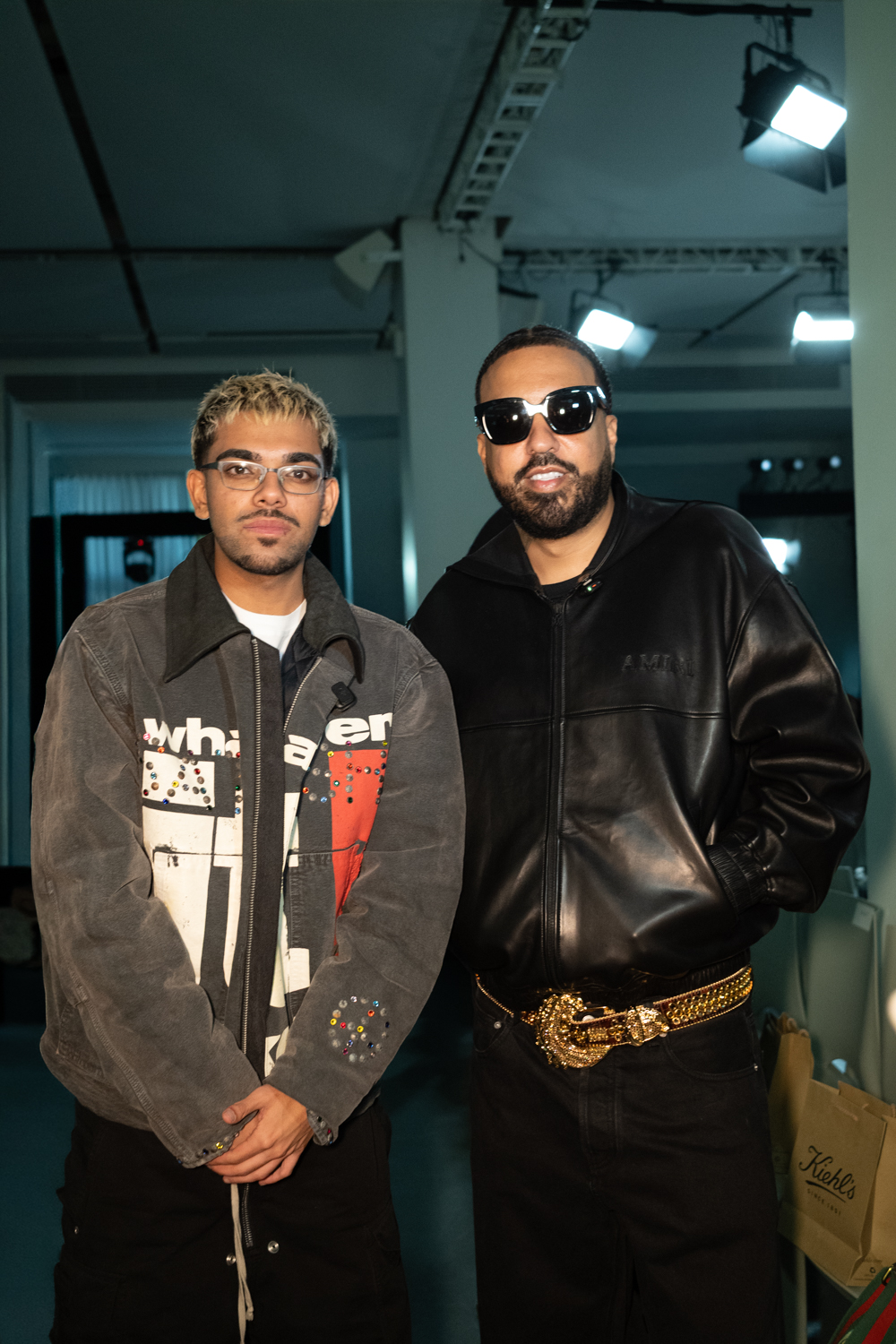
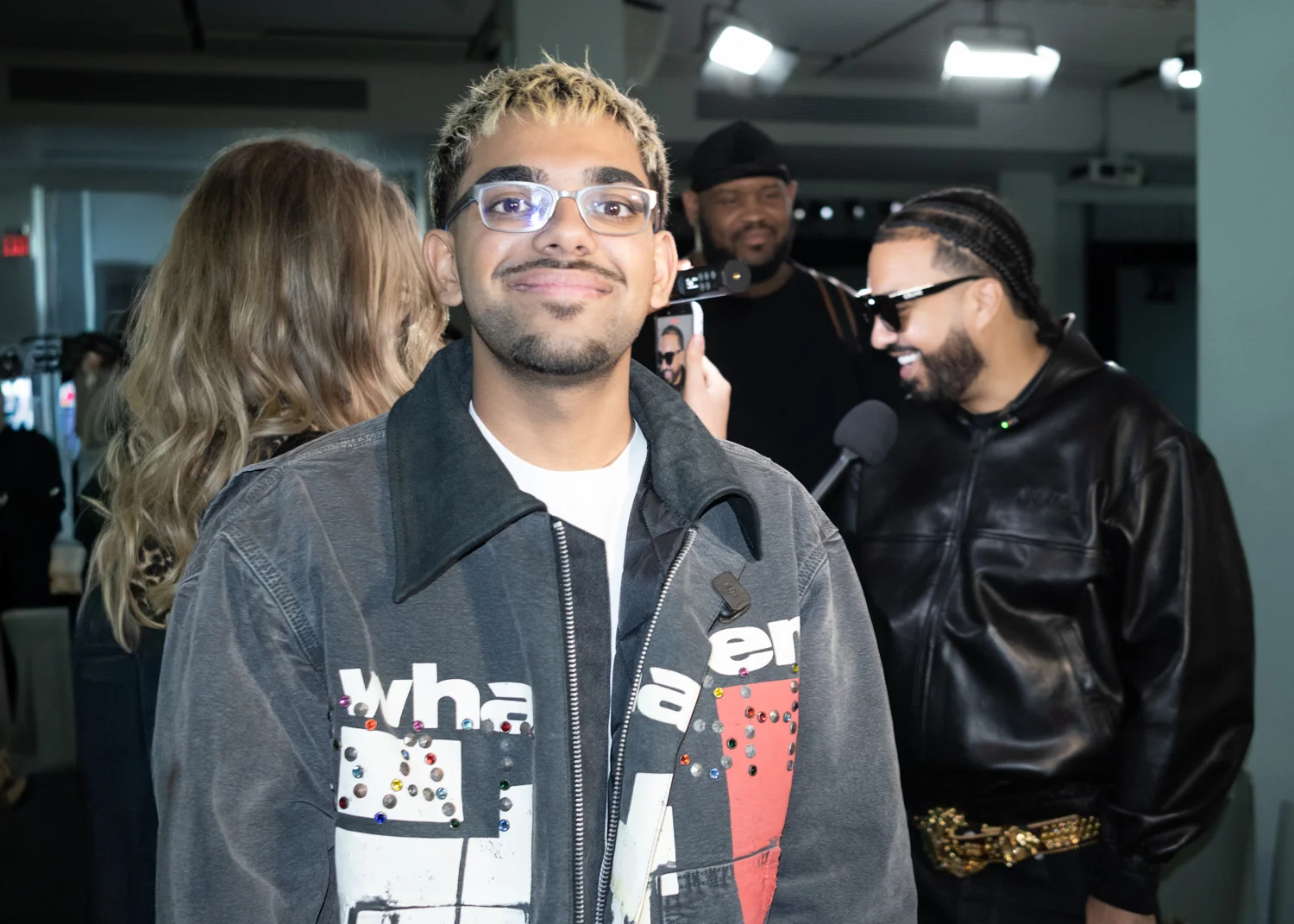
Photo credit: Peter Koloff