

New York Fashion Week has no shortage of runway shows.
For an emerging designer, however, getting clothes onto a runway is only one part of the equation. The harder questions come afterward. Who saw the collection? Who wants to buy it? What relationships were made? And can that brief moment of visibility become something bigger?
Unique Fashion Show New York 2026 approached Fashion Week from that perspective.
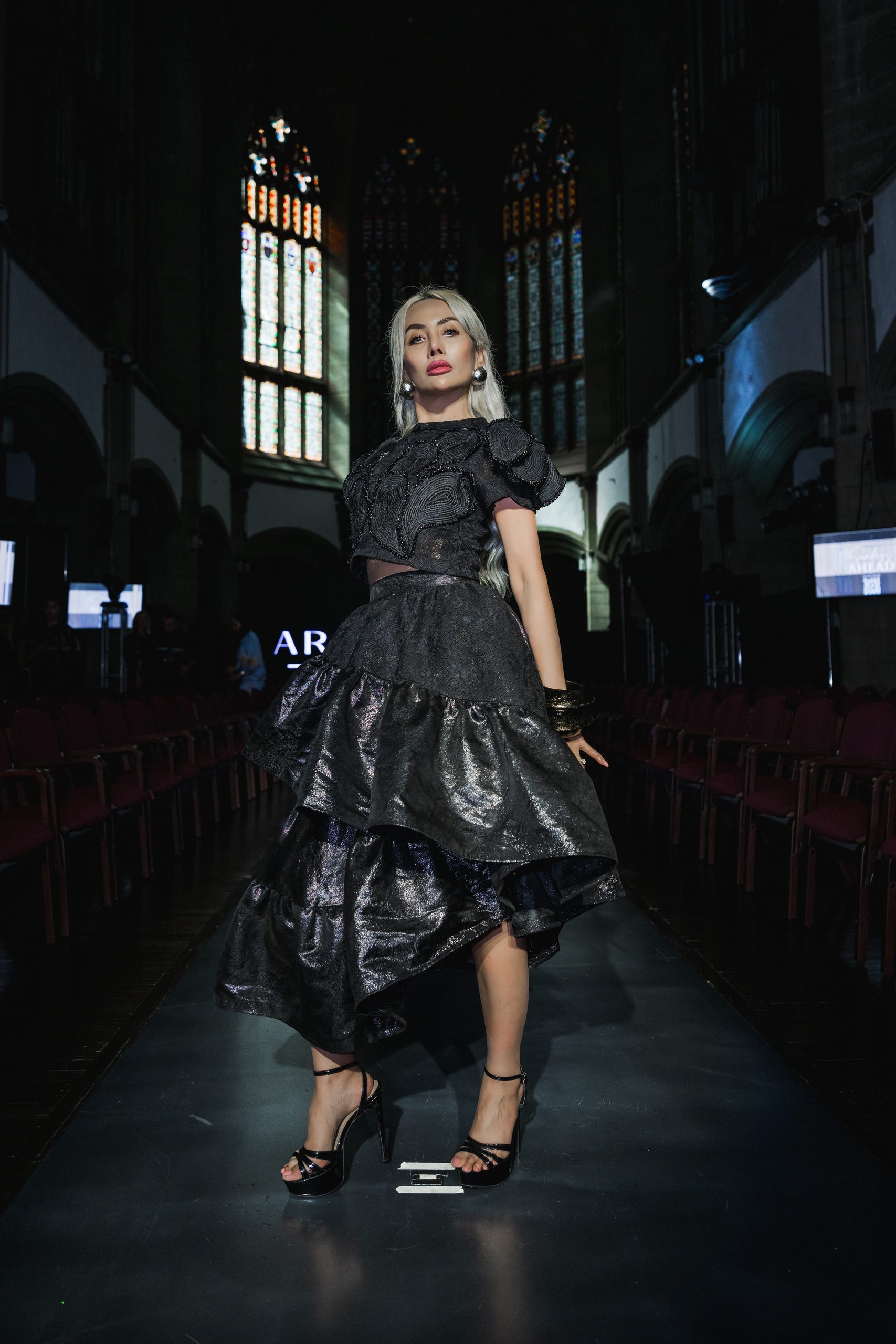
Held September 13 at Park Avenue Christian Church in Manhattan, the international platform brought fashion together with sustainability, art, technology, education and business, creating an environment that felt less like a traditional runway stop and more like a meeting point for the wider creative industry.
Organized by the France-based Unique Fashion Foundation Association, the New York edition welcomed designers alongside buyers, retailers, investors, media, educators, artists, technology professionals and other industry figures.
And that mix was intentional.
“Unique Fashion Show was created to give designers and creative professionals more than a moment on the runway,” founder Gita Dzhavid said. “Our goal is to build long-term connections among fashion, education, technology, culture, media and international business.”
That philosophy shaped an event where fashion was presented not only as something to watch, but as something capable of creating conversation, commerce and cultural exchange.
A Runway Without Borders
The runway itself became a snapshot of how geographically expansive contemporary fashion has become.
Designers representing the United States, Germany, Kazakhstan, Tajikistan, Brazil, Rwanda and other markets brought dramatically different perspectives into the same New York space.
Kazakhstan had a particularly visible presence.
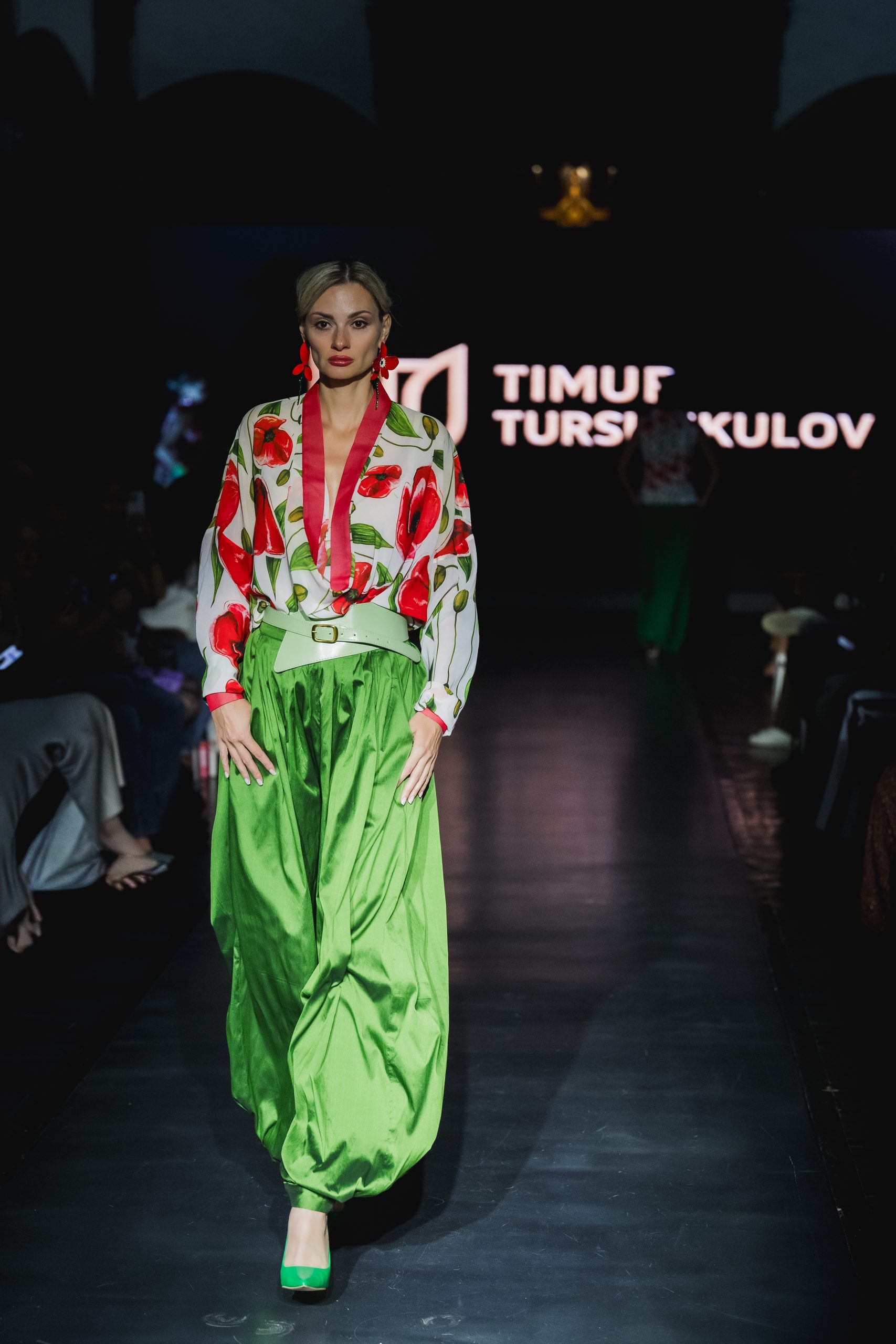
Volskaya Atelier presented childrenswear and teen designs centered around confidence, freedom and self-expression, while designer and entrepreneur Timur Tursunkulov brought his TURSUNKULOV label to New York with a collection combining contemporary silhouettes with Kazakh aesthetics, traditional ornamentation and refined craftsmanship.
WATCH FULL VIDEO BELOW:
WATCH FULL VIDEO BELOW:
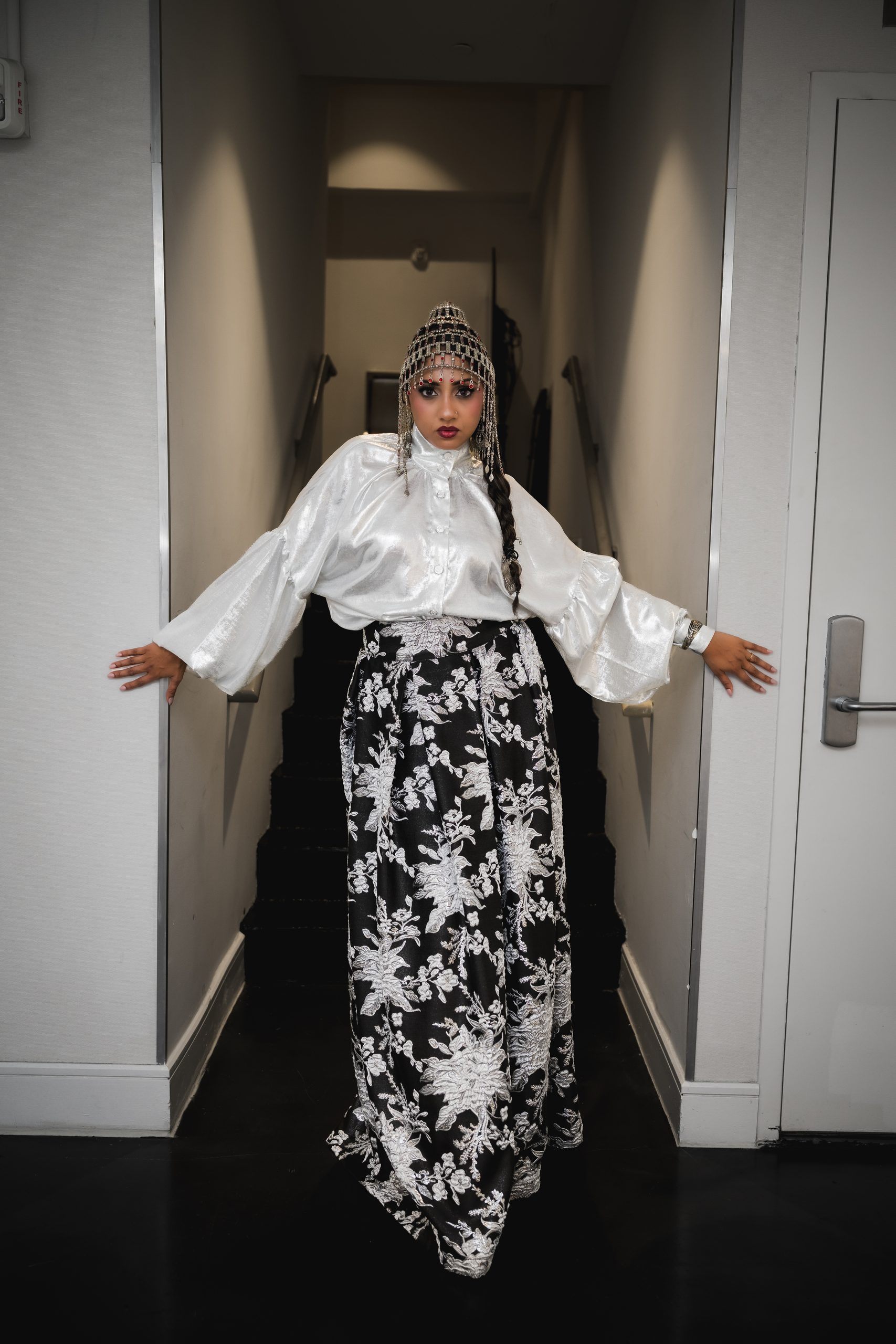
Designer Raushan Anuarbekova approached cultural identity from another direction, presenting work connected to her Kazakh Grandmothers Who Amazed the World project and using fashion to celebrate the elegance, wisdom and dignity associated with Kazakh grandmothers.
WATCH FULL VIDEO BELOW:
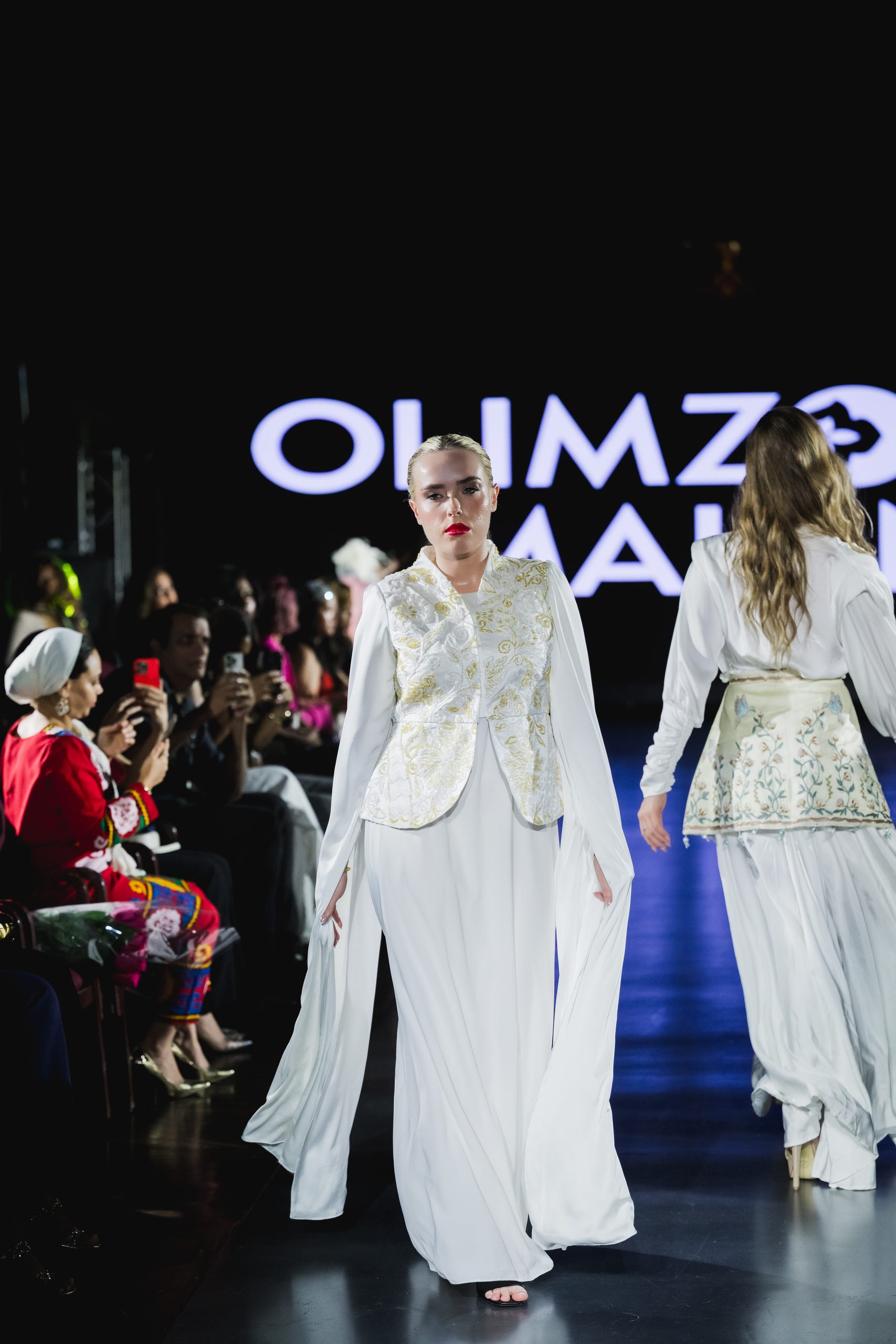
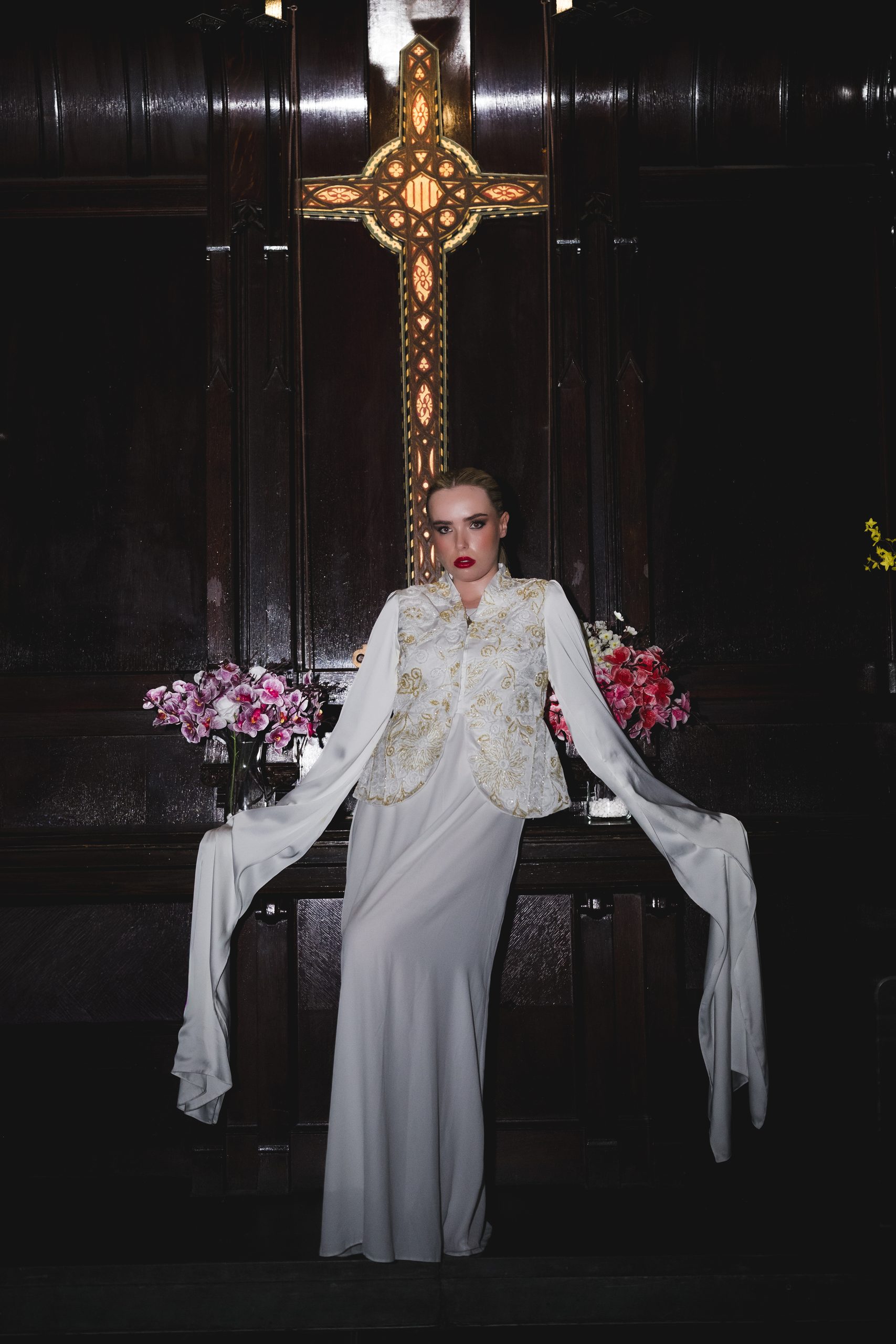
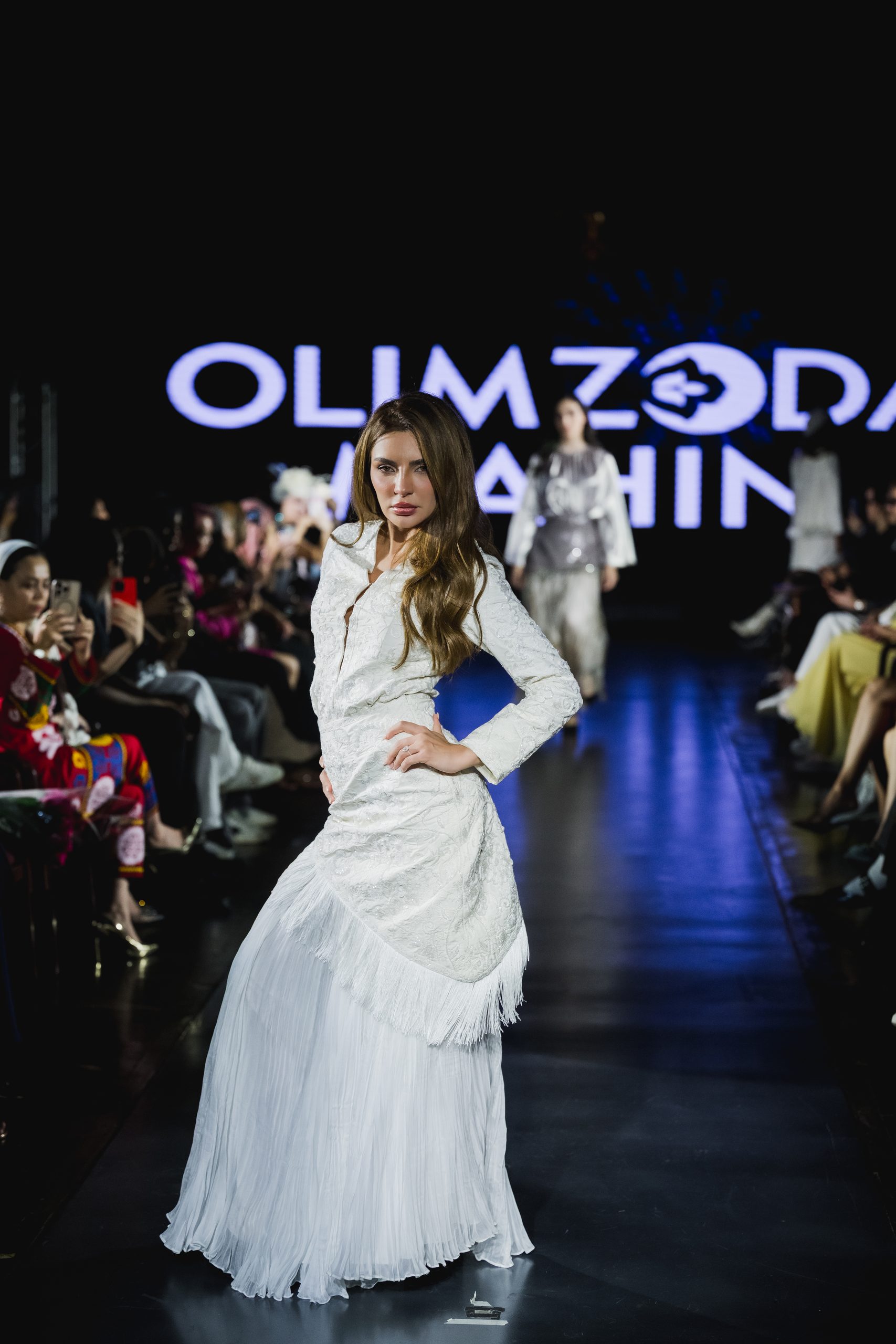
Through Fashion Week, Olimzoda Mahin offered a contemporary interpretation of Tajik cultural heritage.
WATCH FULL VIDEO BELOW:
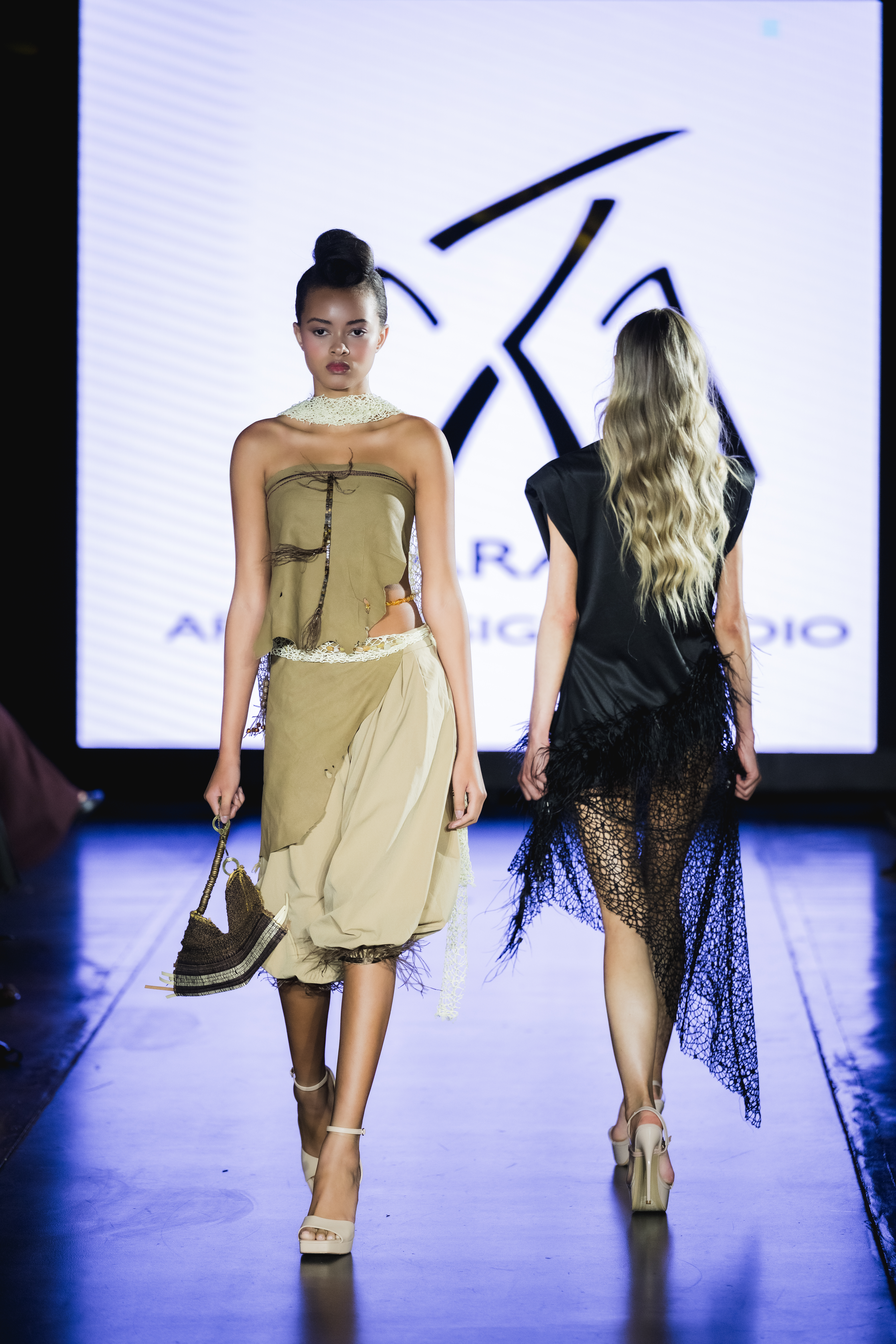
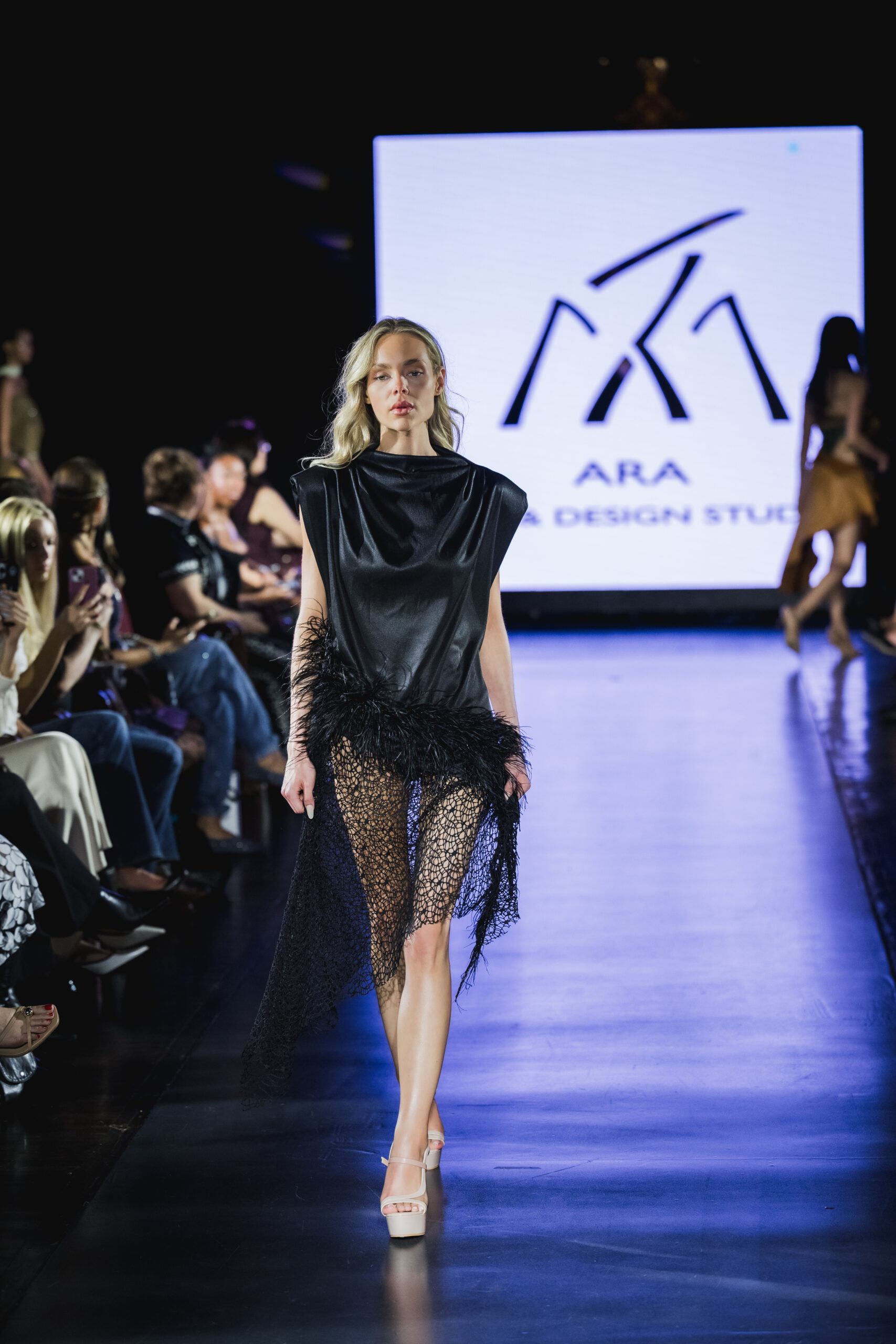
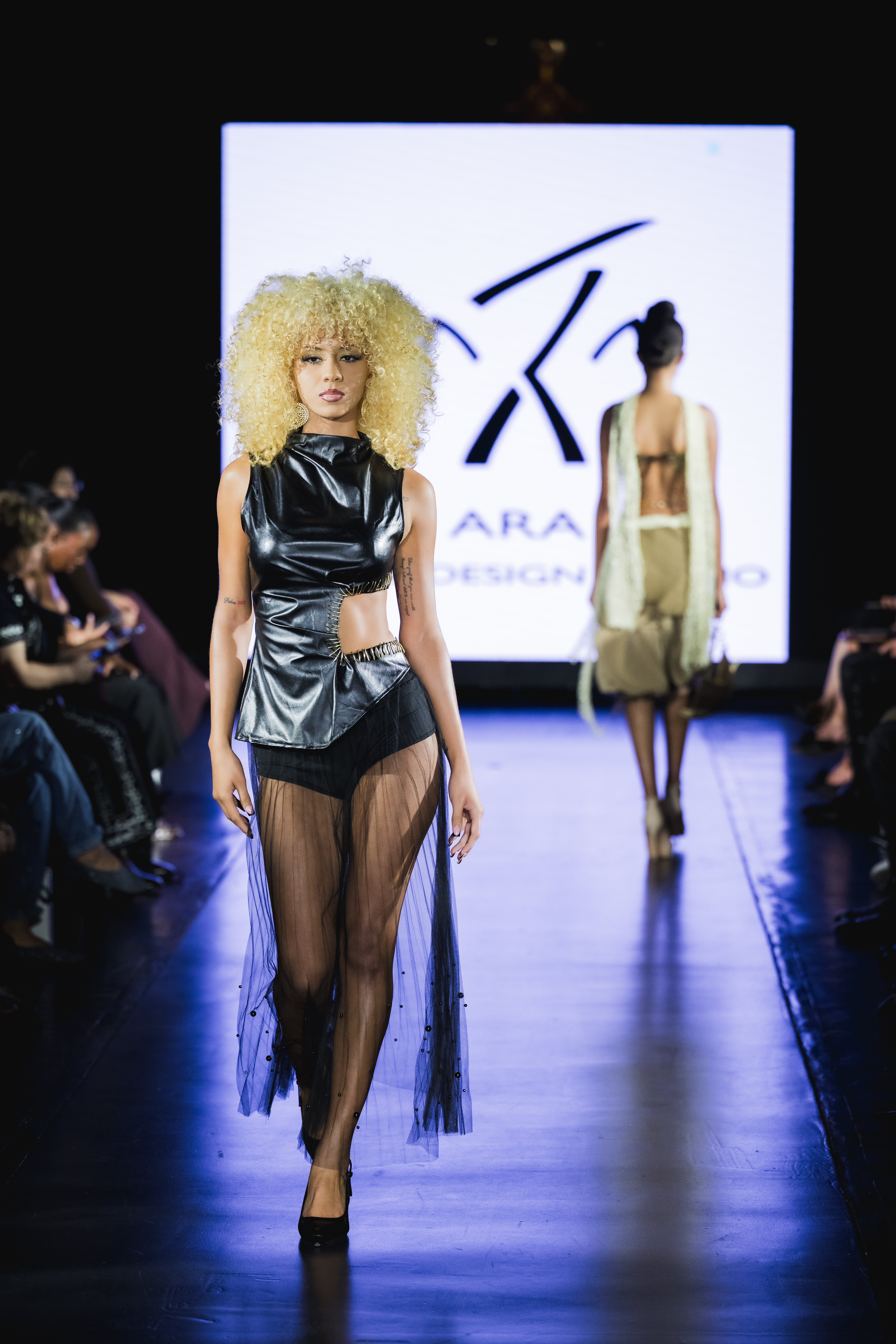
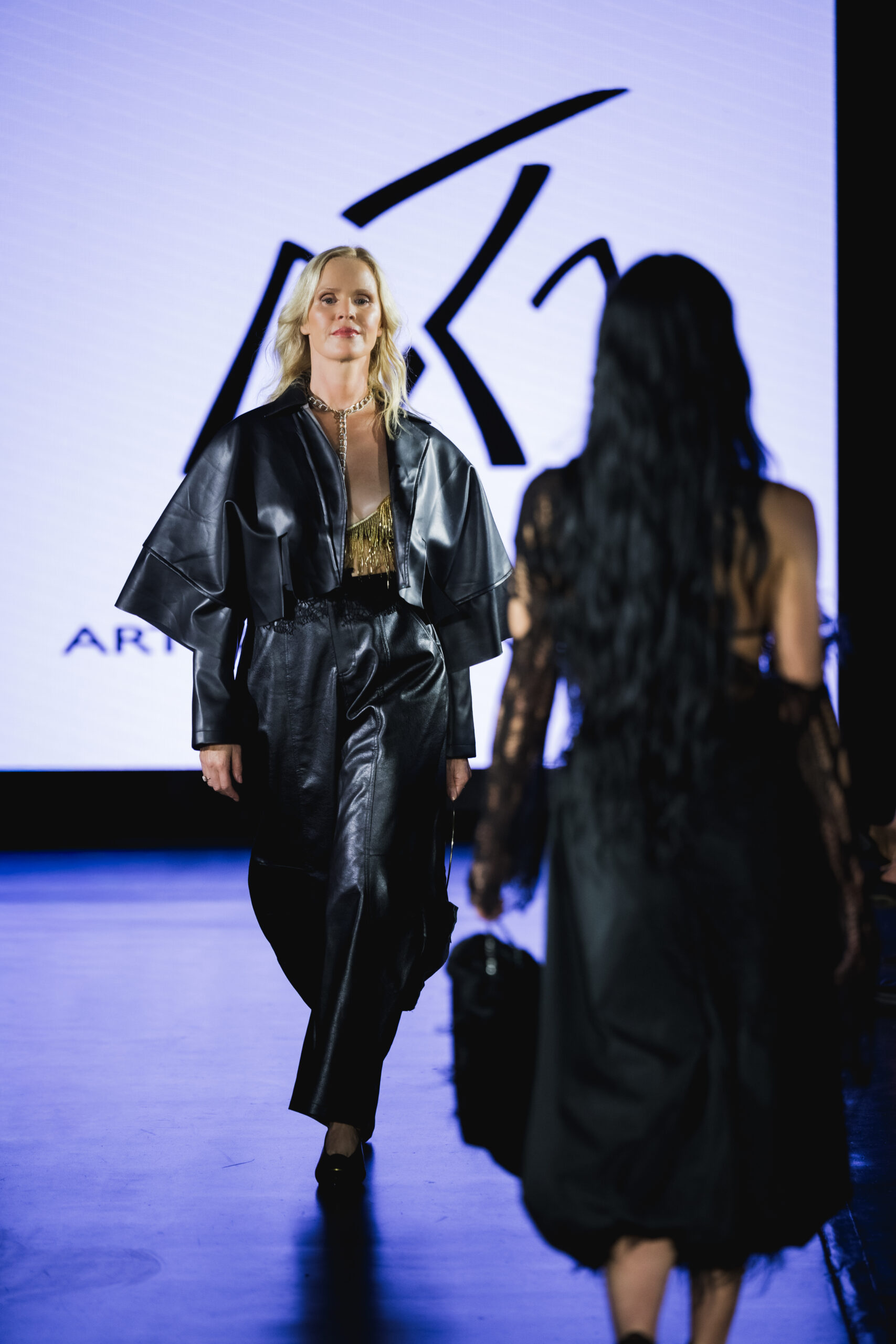
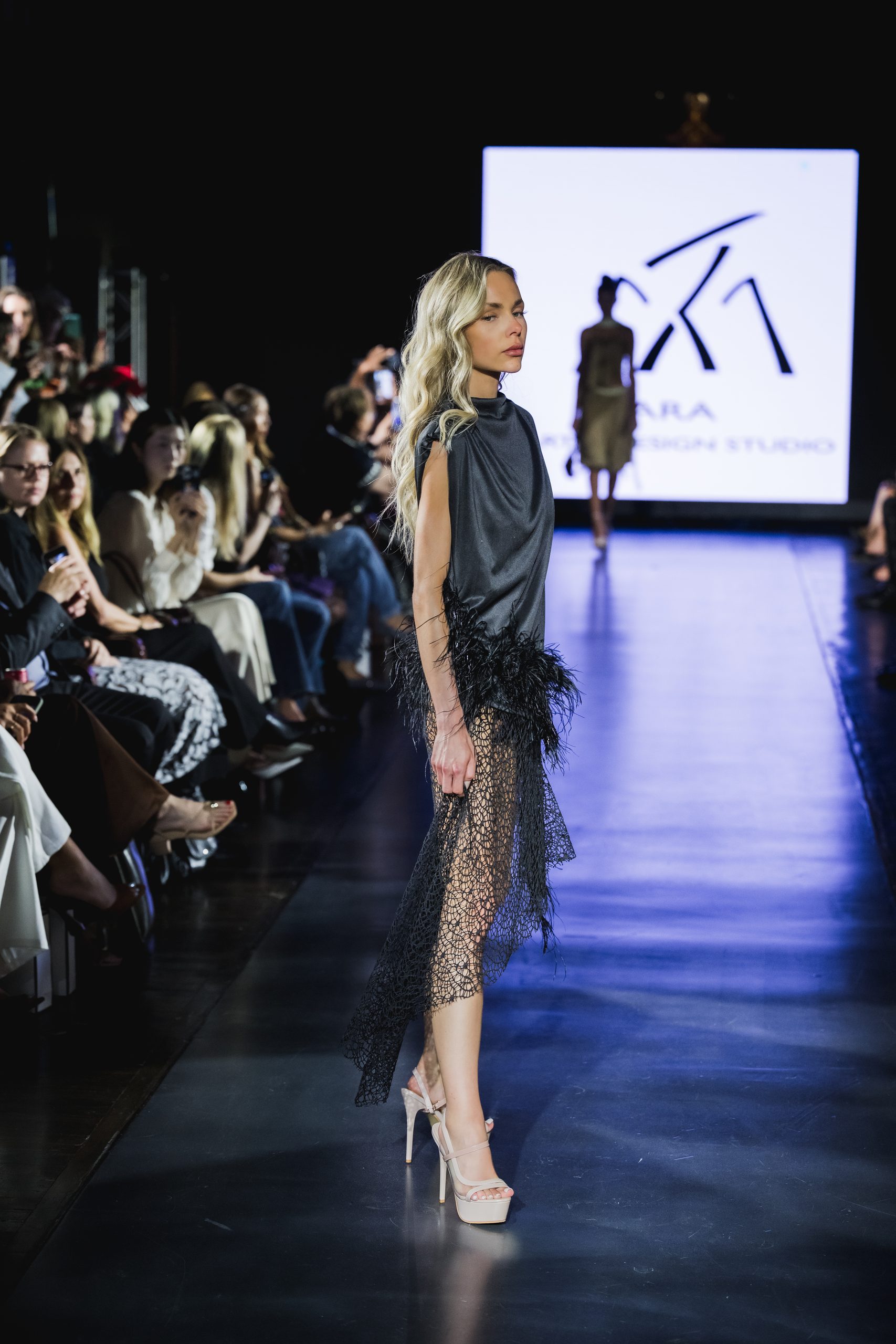
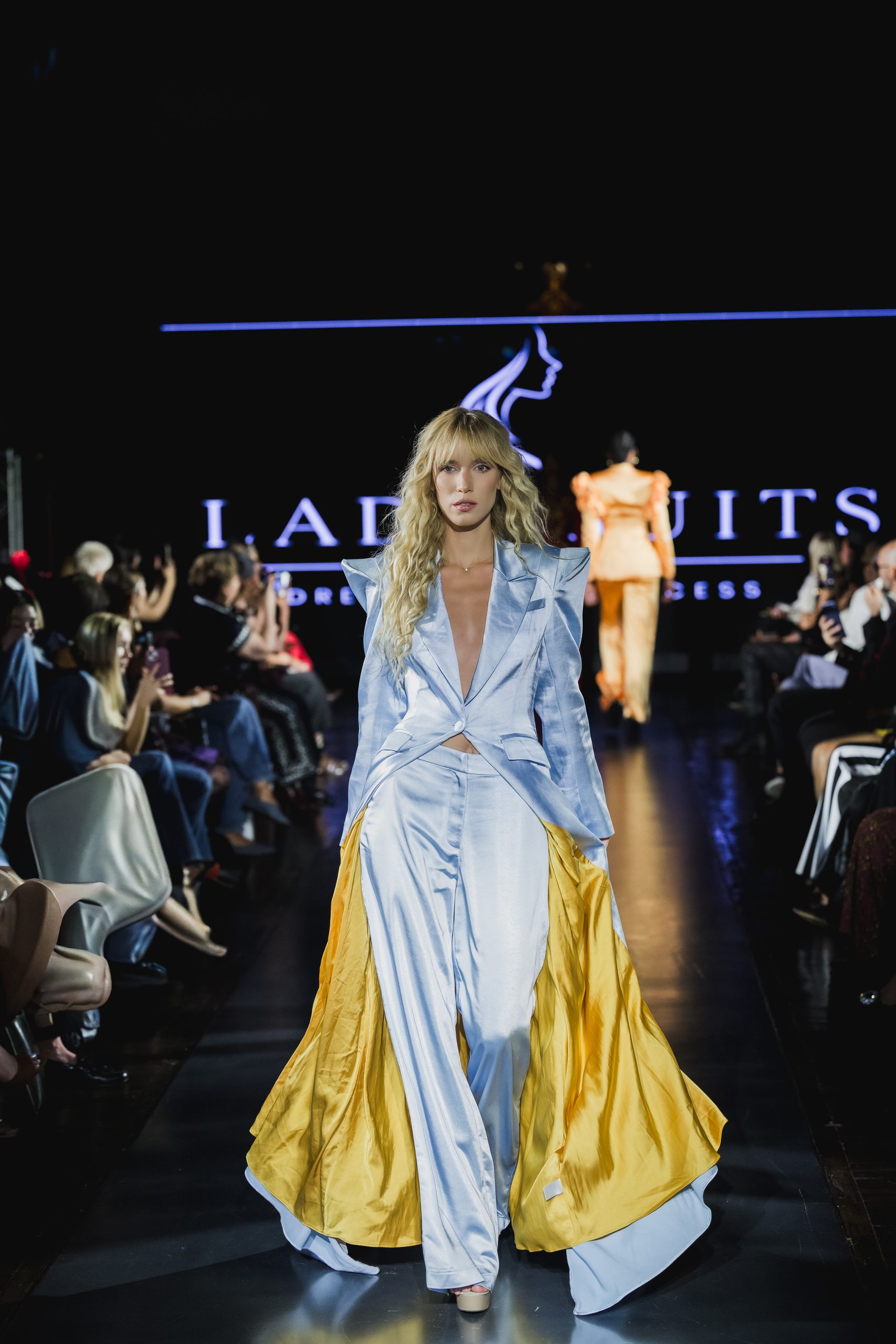
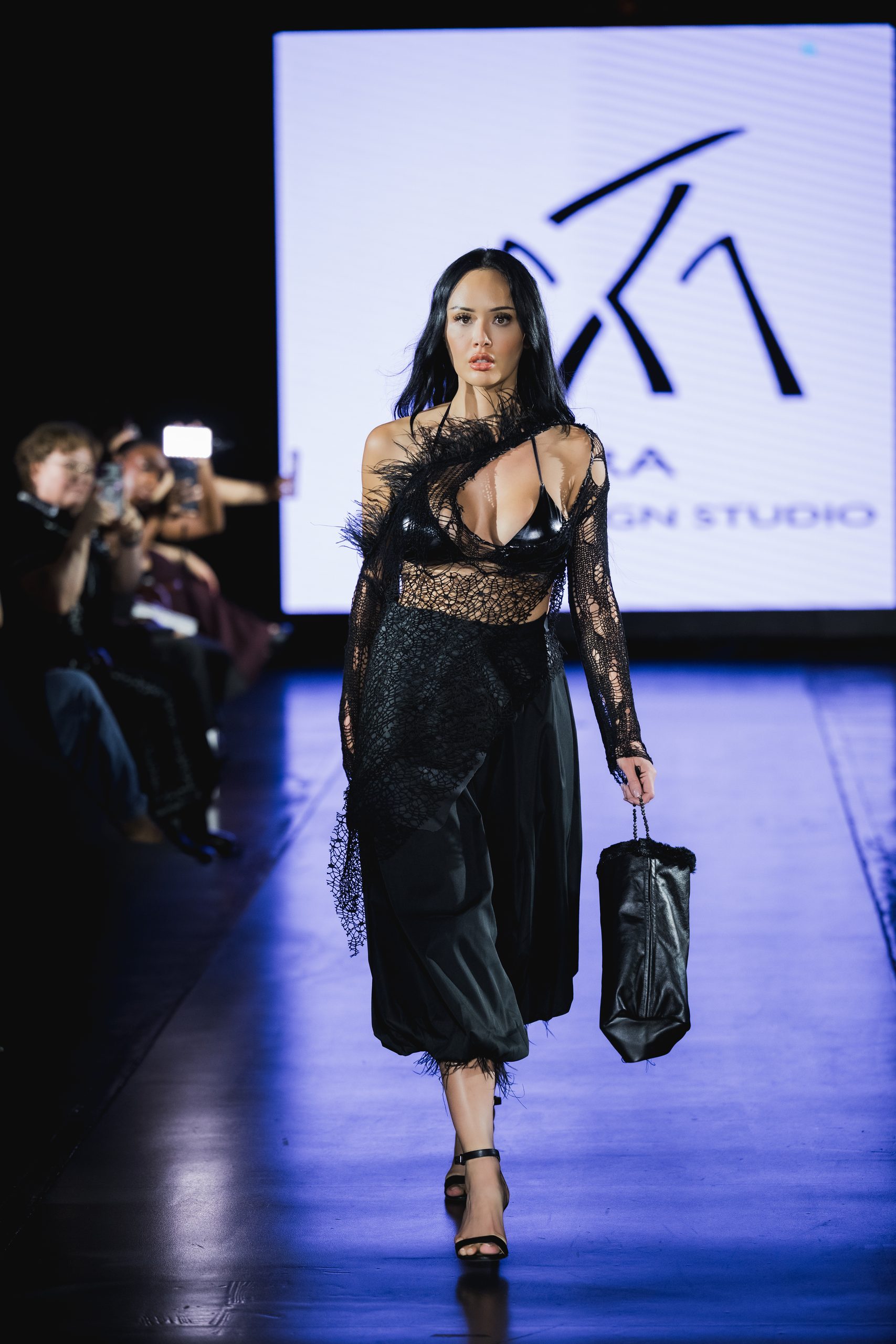
Elsewhere, German brand Lady Suits by Emmely Roloff explored modern women’s tailoring through sculptural silhouettes and architectural construction, while U.S.-based ARA Art and Design Studio blended experimental textiles, craftsmanship and cultural storytelling.
WATCH FULL VIDEO BELOW:
WATCH FULL VIDEO BELOW:
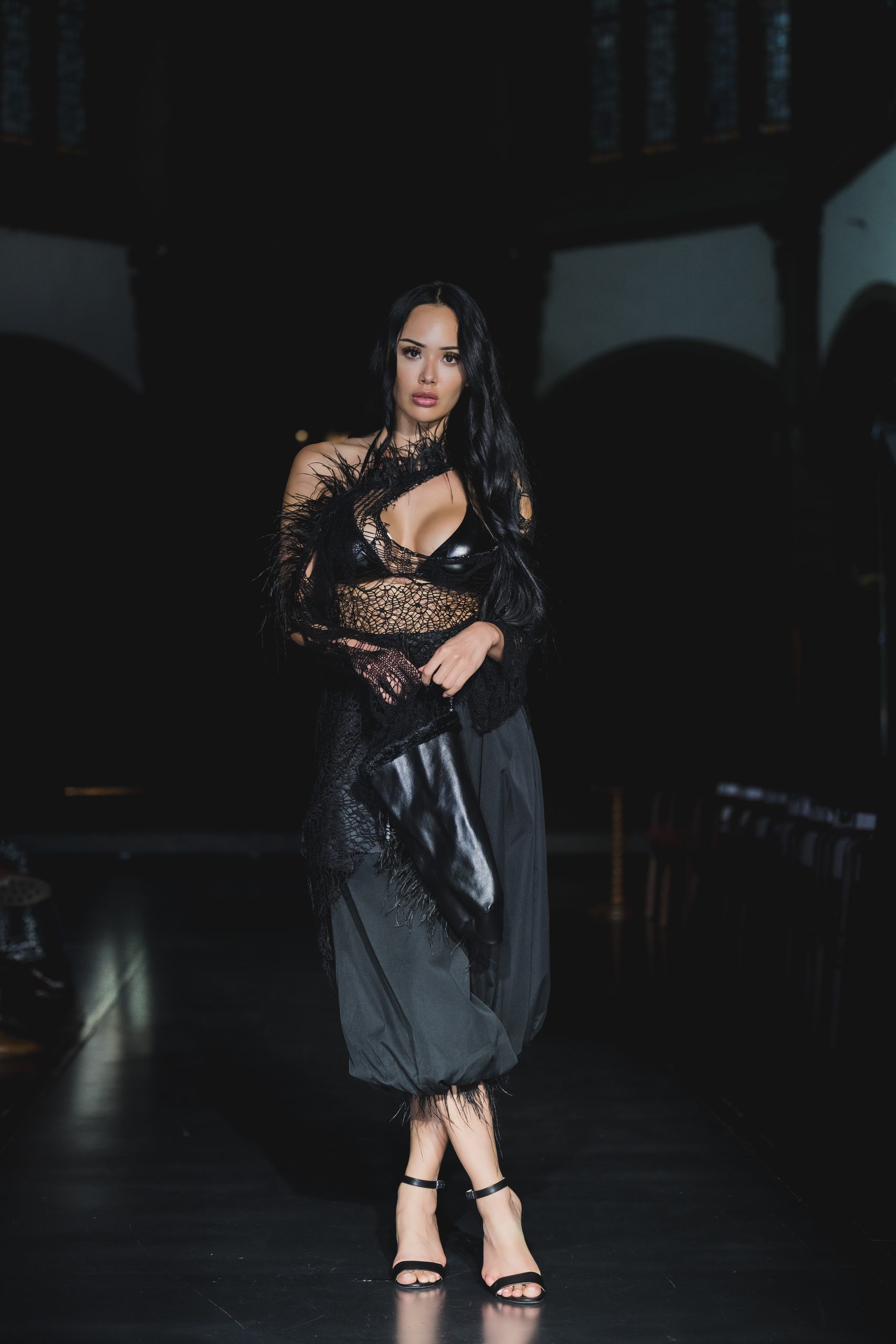
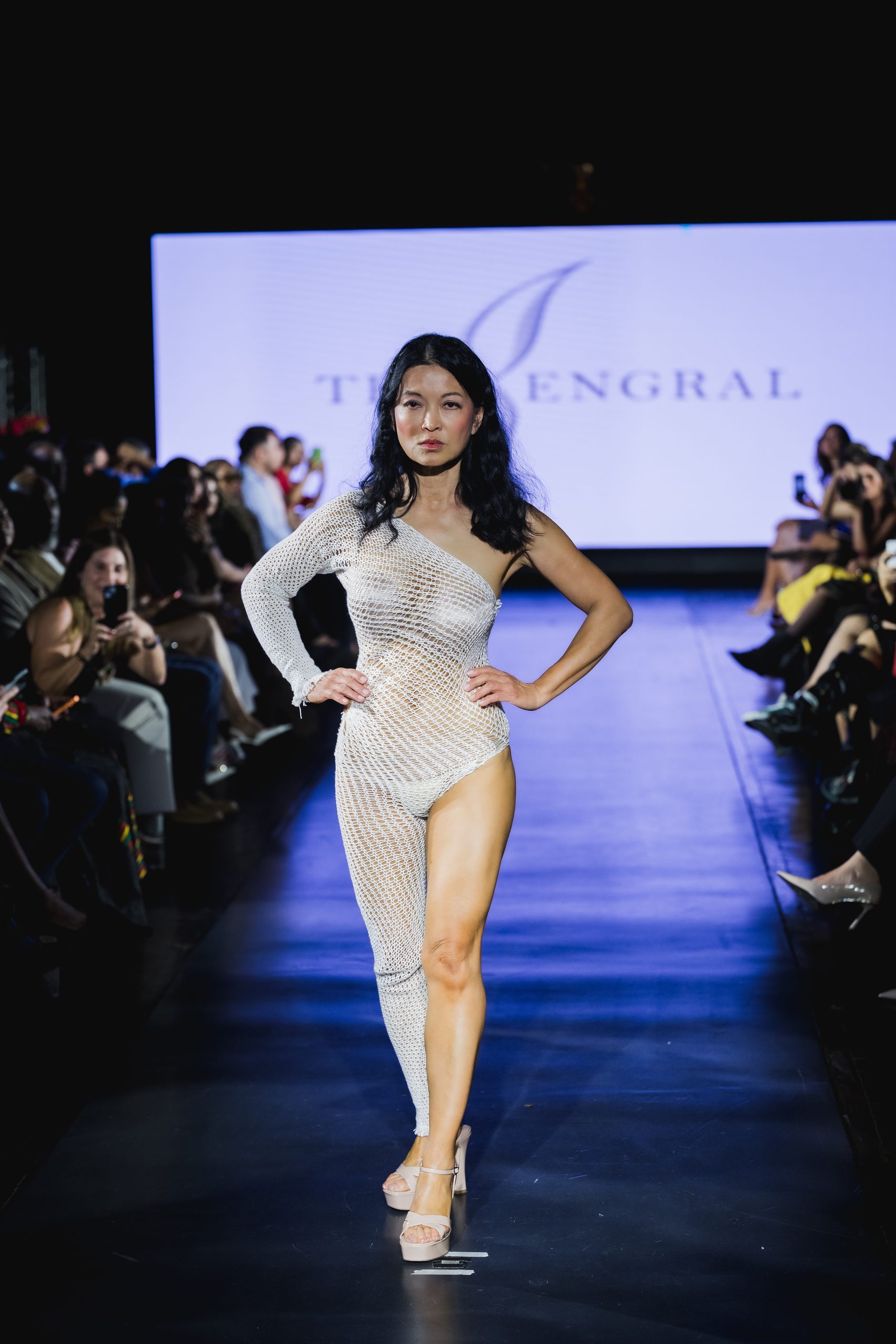
Tensengral pushed the conversation toward textile innovation. Using century-old circular lace-making machinery, its Textile Tensegrity process creates responsive fabrics through linked and interlaced yarns, allowing pieces to be constructed with minimal material waste.
WATCH FULL VIDEO BELOW:
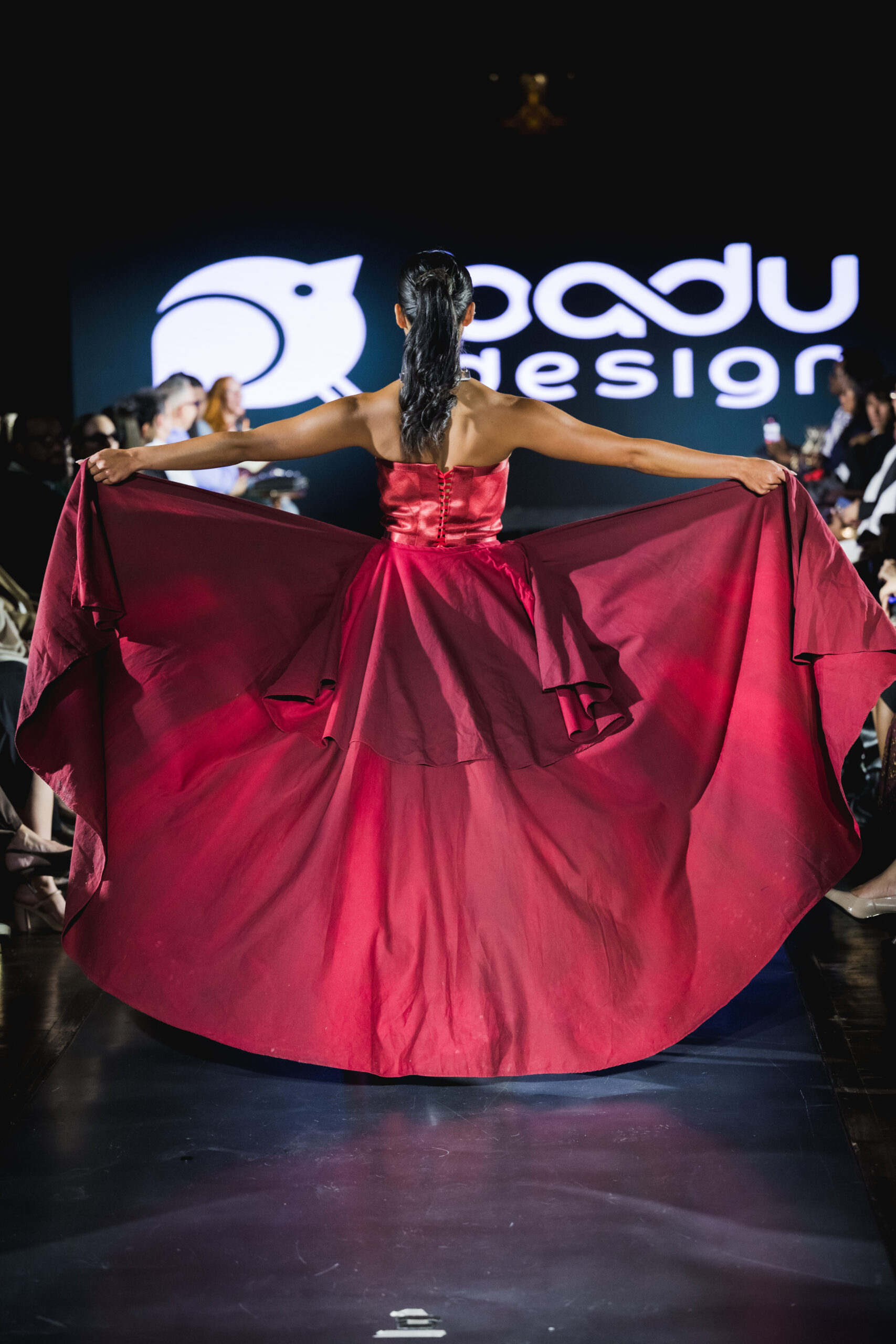
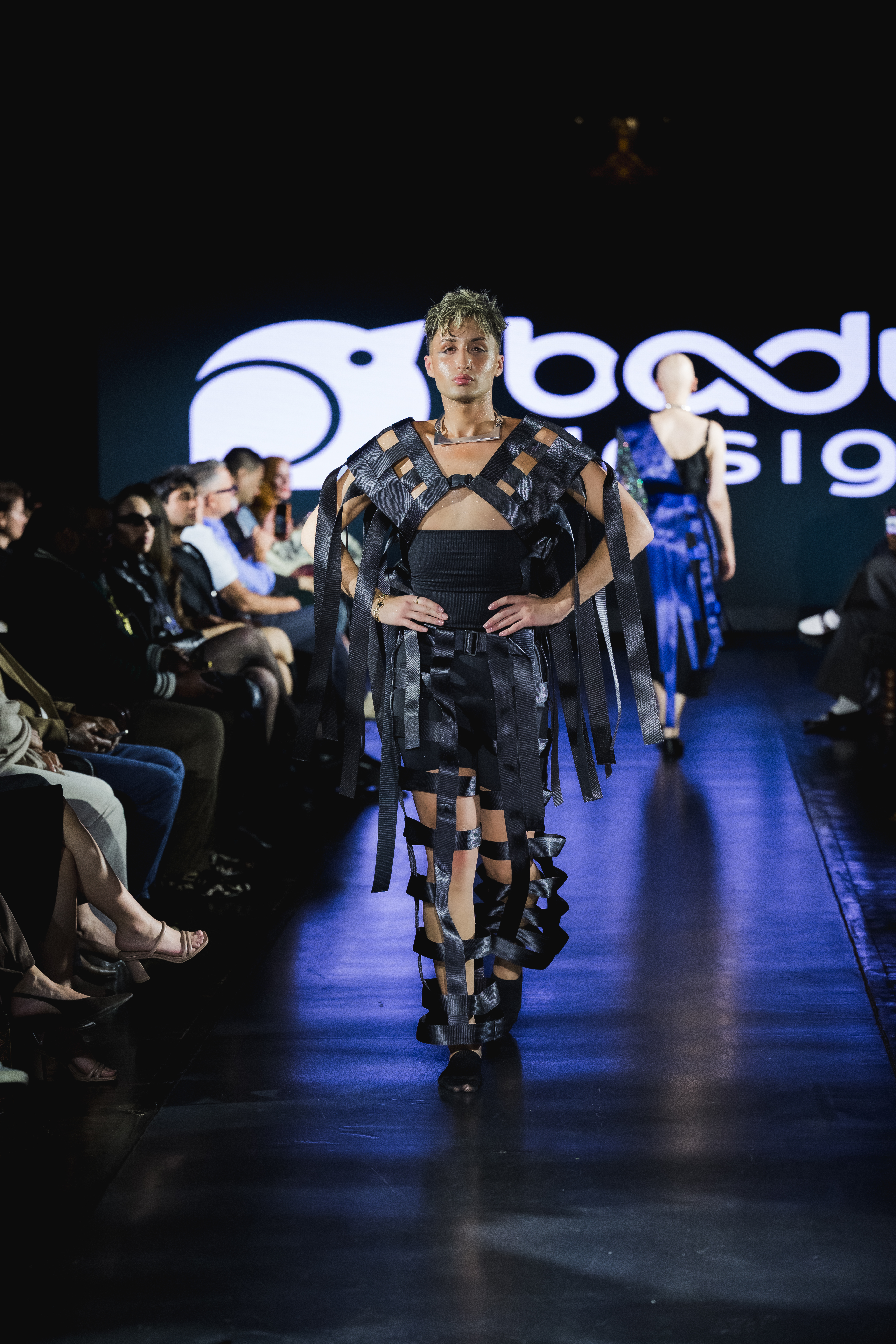
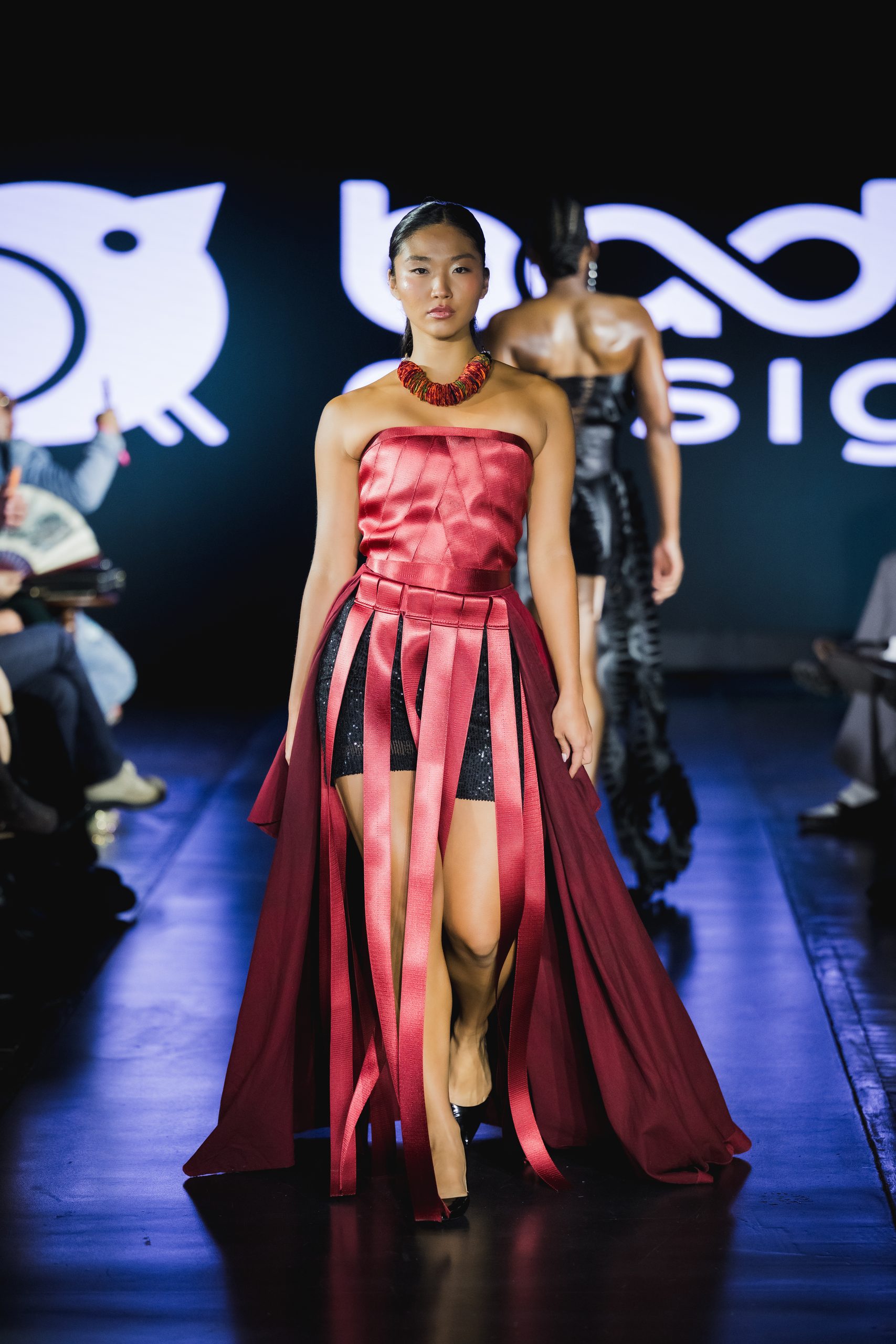
Brazil’s Badu Design showed another side of what sustainable fashion can look like.
WATCH FULL VIDEO BELOW:
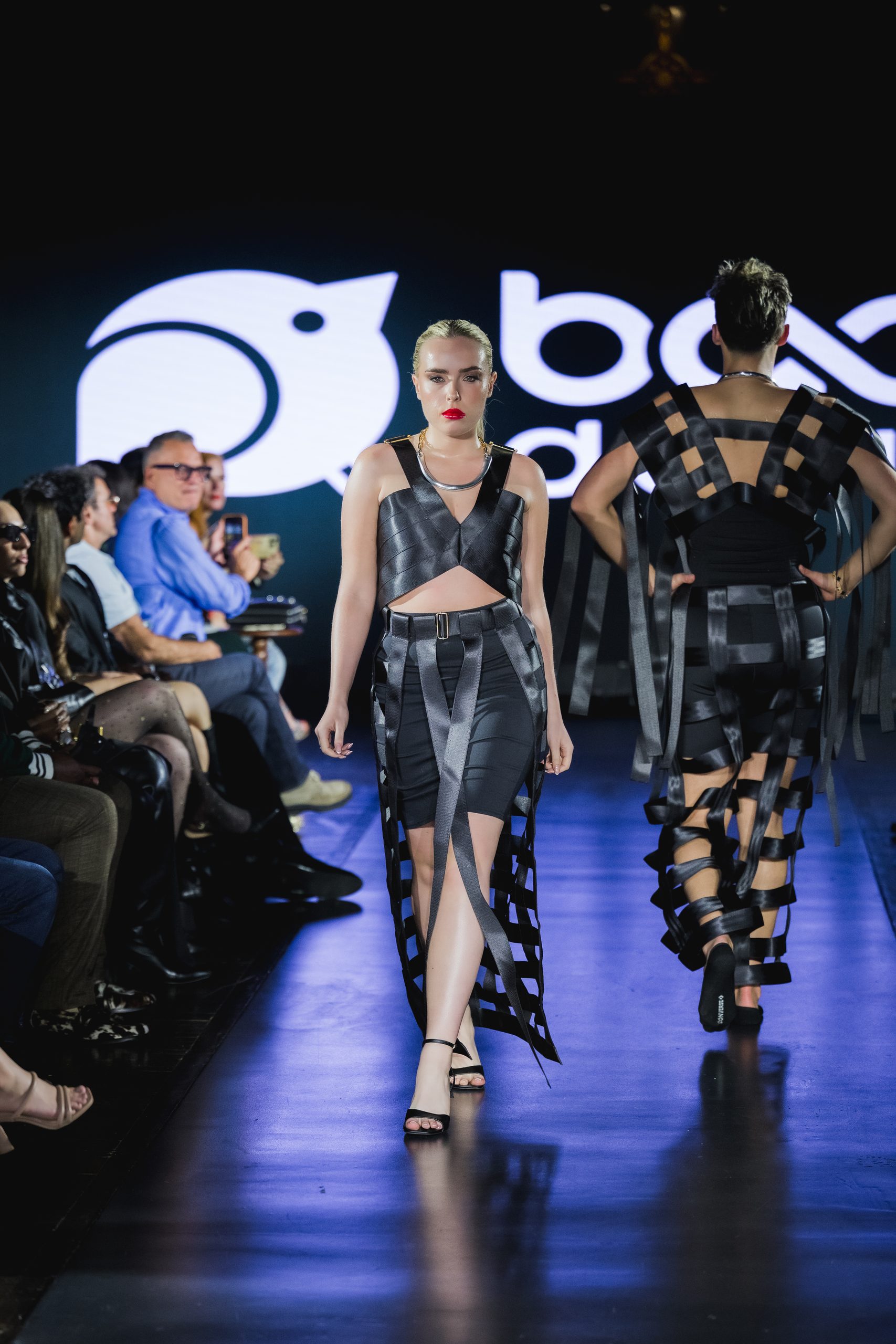
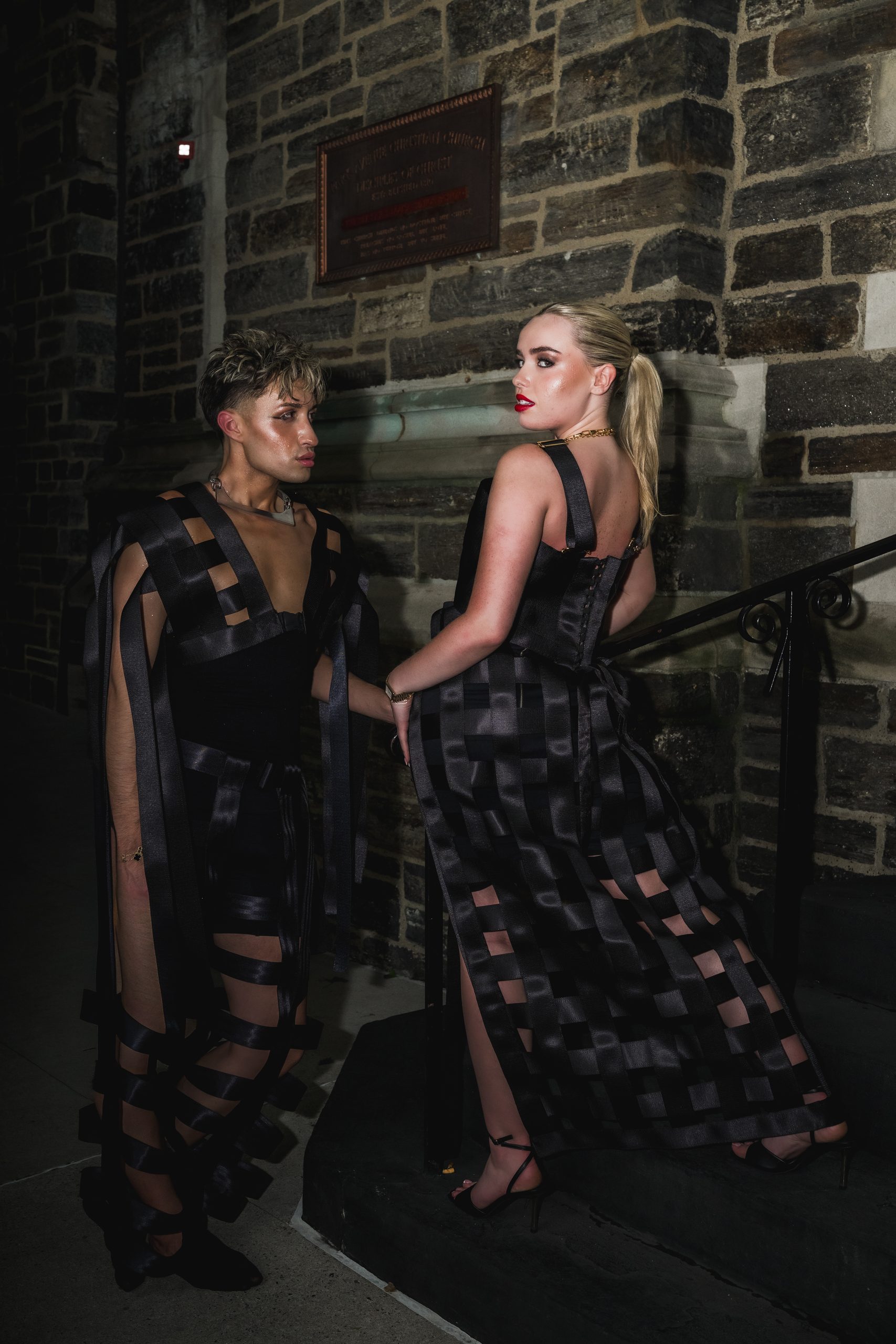
Founded by designer and TEDx speaker Ariane Santos, the socio-environmental enterprise transforms industrial textile waste and discarded automotive seat belts into accessories. Its impact extends beyond the finished product, with Badu Design’s methodology having been used to train more than 4,000 women across Brazil.
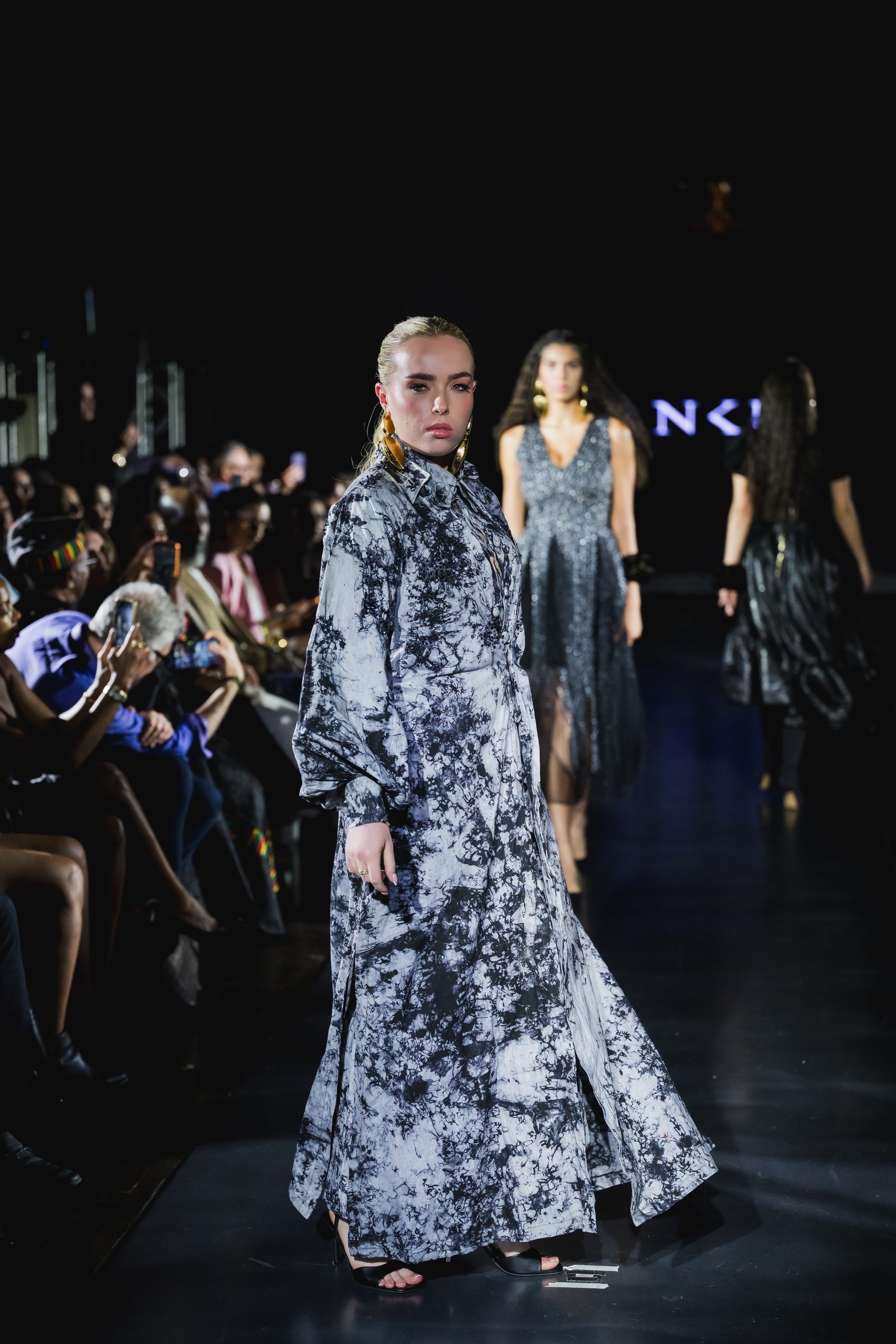
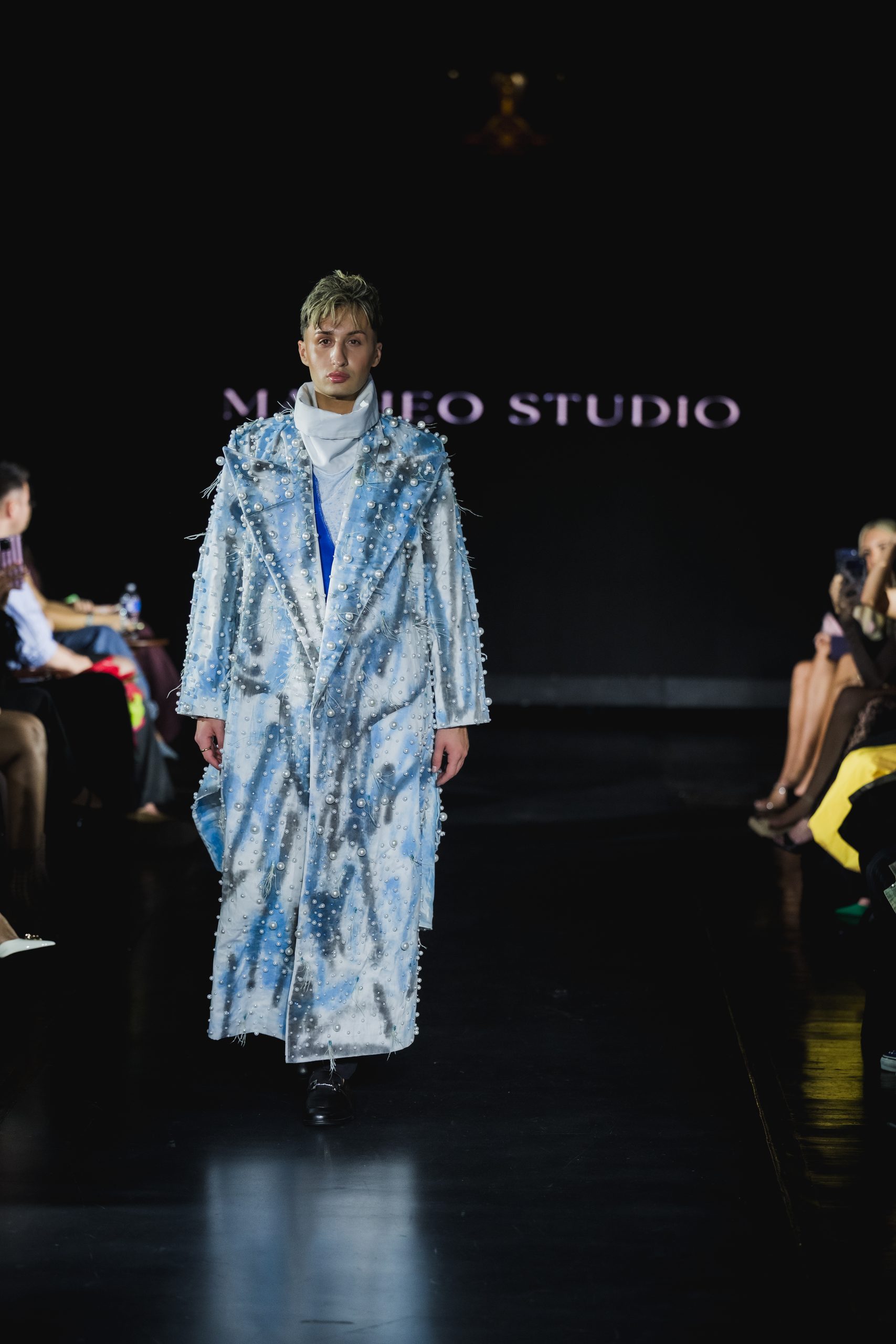
African fashion was represented by ANKU and Rwanda’s Matheo Studio, with collections connecting contemporary design to heritage, craftsmanship and cultural storytelling.
WATCH FULL VIDEO BELOW:
WATCH FULL VIDEO BELOW:
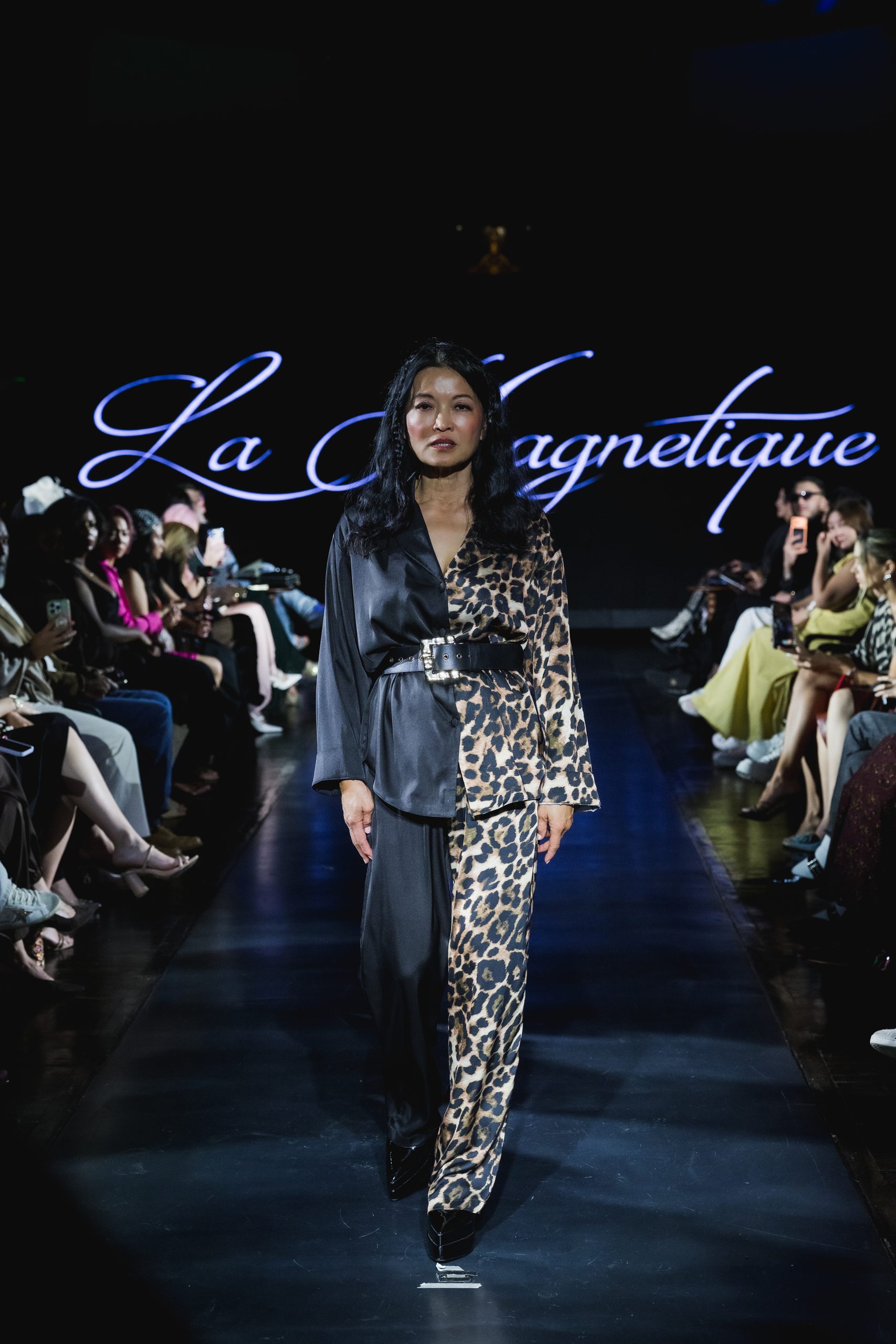
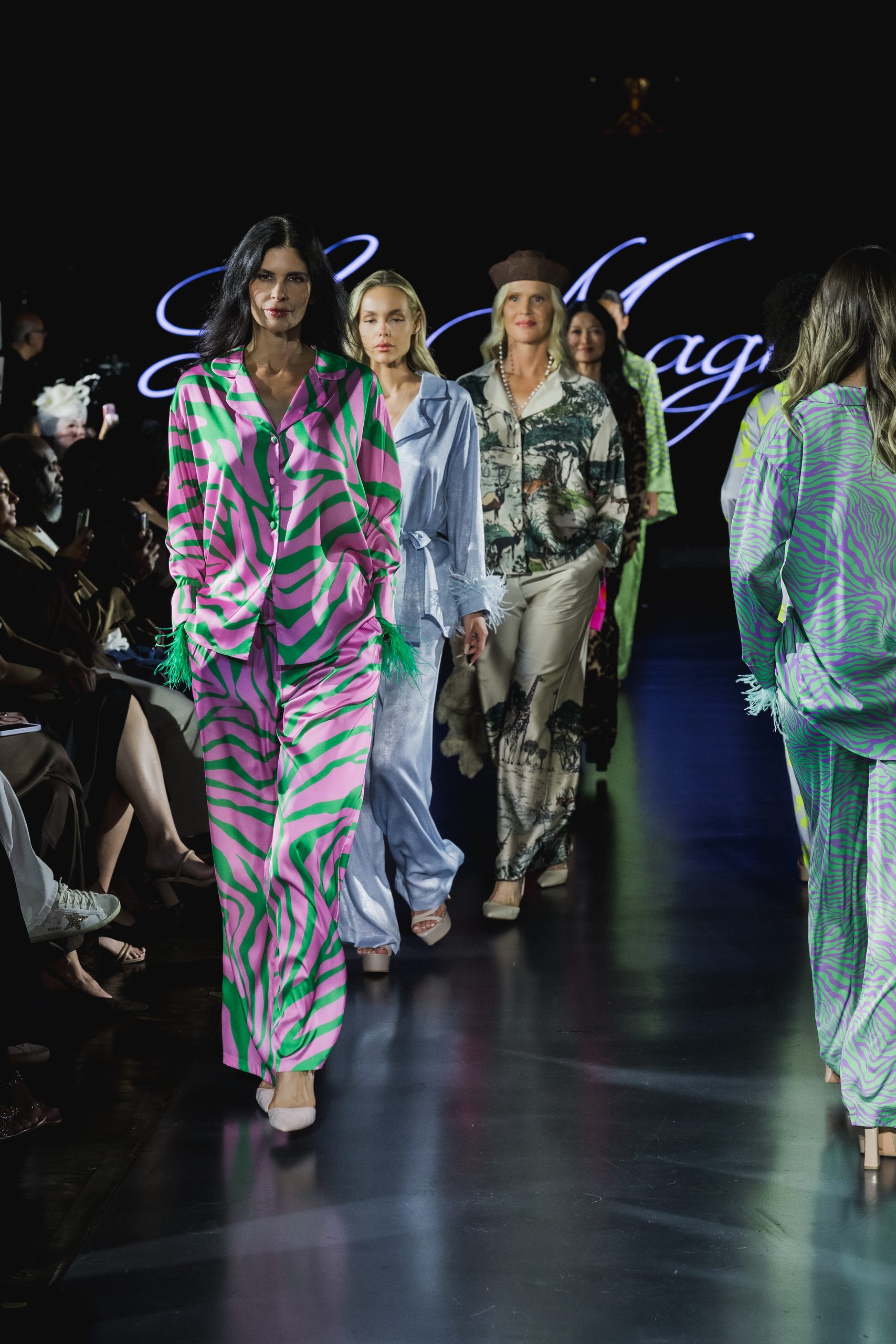
La Magnetique rounded out the designer lineup with relaxed, pajama-inspired pieces designed to move easily between sophisticated daytime dressing and evening wear.
WATCH FULL VIDEO BELOW:
Taken together, the runway resisted the idea that global fashion needs to speak with one voice. Its strength came from precisely the opposite.
What Happens After the Applause?
One of the more interesting ideas behind Unique Fashion Show happened away from the runway.
Its B2B and B2C Designer Showroom gave participating brands direct access to buyers, retailers, investors, media, consumers and other professionals.
That matters.
Fashion Week can generate attention quickly, particularly in the age of social media, but attention and sustainable business growth are two very different things. A runway image may travel around the world in minutes. Turning that visibility into retail relationships, press coverage, partnerships and long-term commercial development requires infrastructure.
Unique Fashion Show’s model attempted to connect those two worlds.
Rather than treating the runway as the finish line, the organization positioned it as an introduction.
Sustainability Moves From Talking Point to Practice
Sustainability also occupied a significant part of the program, but the conversation extended beyond simply labeling collections sustainable.
Industry specialists and educators examined circularity, responsible production, material innovation, professional education and the realities independent designers face when trying to grow responsibly.
Participants included Dr. Karen R. Pearson, professor of chemistry and chair of the Sustainability Council at the Fashion Institute of Technology; Mind Your Fashion founder Jude Kingston; and Bridgett Artise, founder of Sustainable Fashion Week US and Born Again Vintage.
Their discussion brought together academic research and practical fashion experience, particularly around how younger brands can incorporate responsible practices without ignoring the commercial realities of running a business.
The collections reinforced that conversation in tangible ways.
From Badu Design repurposing industrial waste to Tensengral experimenting with low-waste textile construction, sustainability wasn’t confined to a panel. In several cases, it could be seen directly in how products were being made.
When Fashion Meets Art and Technology
Unique Fashion Show also widened its lens beyond clothing.
Its Innovation and Art Experience examined artificial intelligence, digital creativity and emerging technologies alongside traditional craftsmanship and visual culture.
Contemporary figurative artist Lilit Gevorgyan exhibited work exploring themes including dignity, compassion, movement and renewal.
Afghan artist and photographer Fatimah Hossaini presented The Beauty Amid War, a photographic series centered on Afghan women from different communities dressed in traditional clothing.
Rather than reducing its subjects to familiar imagery surrounding war and conflict, the work presented Afghan women through heritage, individuality, strength and cultural memory.
The multidisciplinary approach continued through the ART E$TATE Magazine program.
A New York City Opera performance brought classical music into the fashion environment, featuring harpist and Juilliard graduate Alisa Sadikova alongside Armenian-American soprano Tatev Baroyan.
Los Angeles artist Robert Vargas added live visual art, allowing guests to witness creation taking place alongside the fashion presentations.
The ART E$TATE Magazine International Awards Ceremony recognized contributions across fashion, culture, art and innovation, while the Unique Fashion Foundation Association also launched its UFFA International Models Award.
Mardnis Curcija received the UFFA International Models Award NYFW 2026 title for Best Editorial Model NYFW ’26, establishing an initiative the organization plans to continue at future editions.
Fashion as a Connector
There was plenty to look at during Unique Fashion Show New York 2026, but its bigger idea may have been about who was in the room.
Fashion designers met artists. Sustainability advocates met entrepreneurs. International creatives entered conversations with New York media and buyers. Technology was placed beside centuries-old textile techniques. Cultural heritage shared space with discussions about fashion’s future.
That intersection is increasingly important.
As independent designers compete for attention in a global industry, another runway show alone may not be enough. Access to education, media, buyers, technology, professional networks and international markets can be just as consequential as the collection itself.
Unique Fashion Show appears to understand that distinction.
Following nine previous events across Europe and the United States, its 2026 New York edition continued the platform’s effort to connect creative communities across North America, Europe, Africa, the Caucasus, Central Asia and Latin America.
Future programs are planned for New York, Milan, Paris, Cannes and other creative centers.
In an industry constantly searching for what’s next, Unique Fashion Show offered another possibility: perhaps fashion’s future isn’t defined only by the next silhouette or trend.
Perhaps it’s also defined by who gets access to the room, whose culture gets represented, which ideas are exchanged, and what becomes possible once everyone is there.
All Photo Credit Below: Christian Mercado