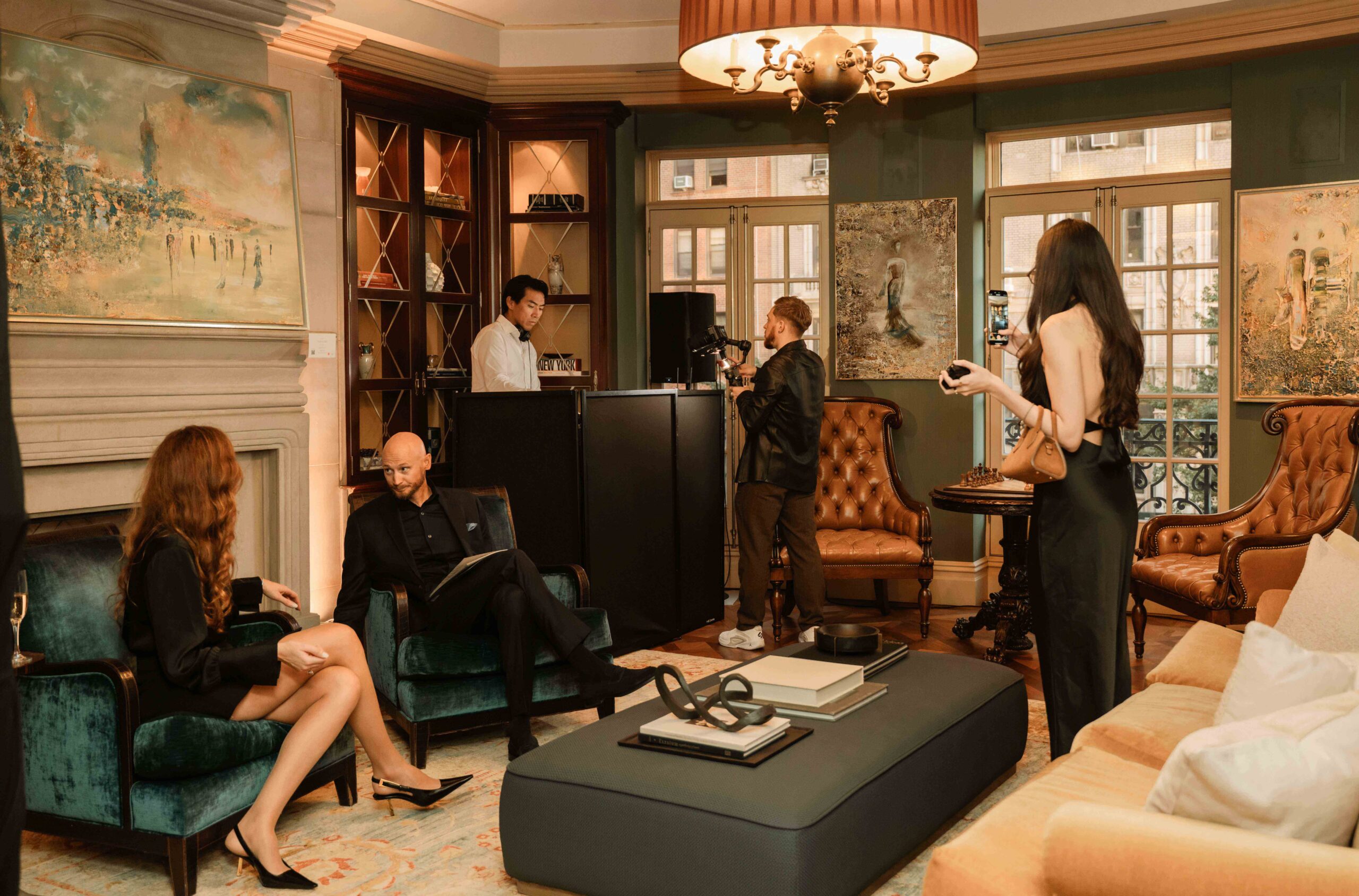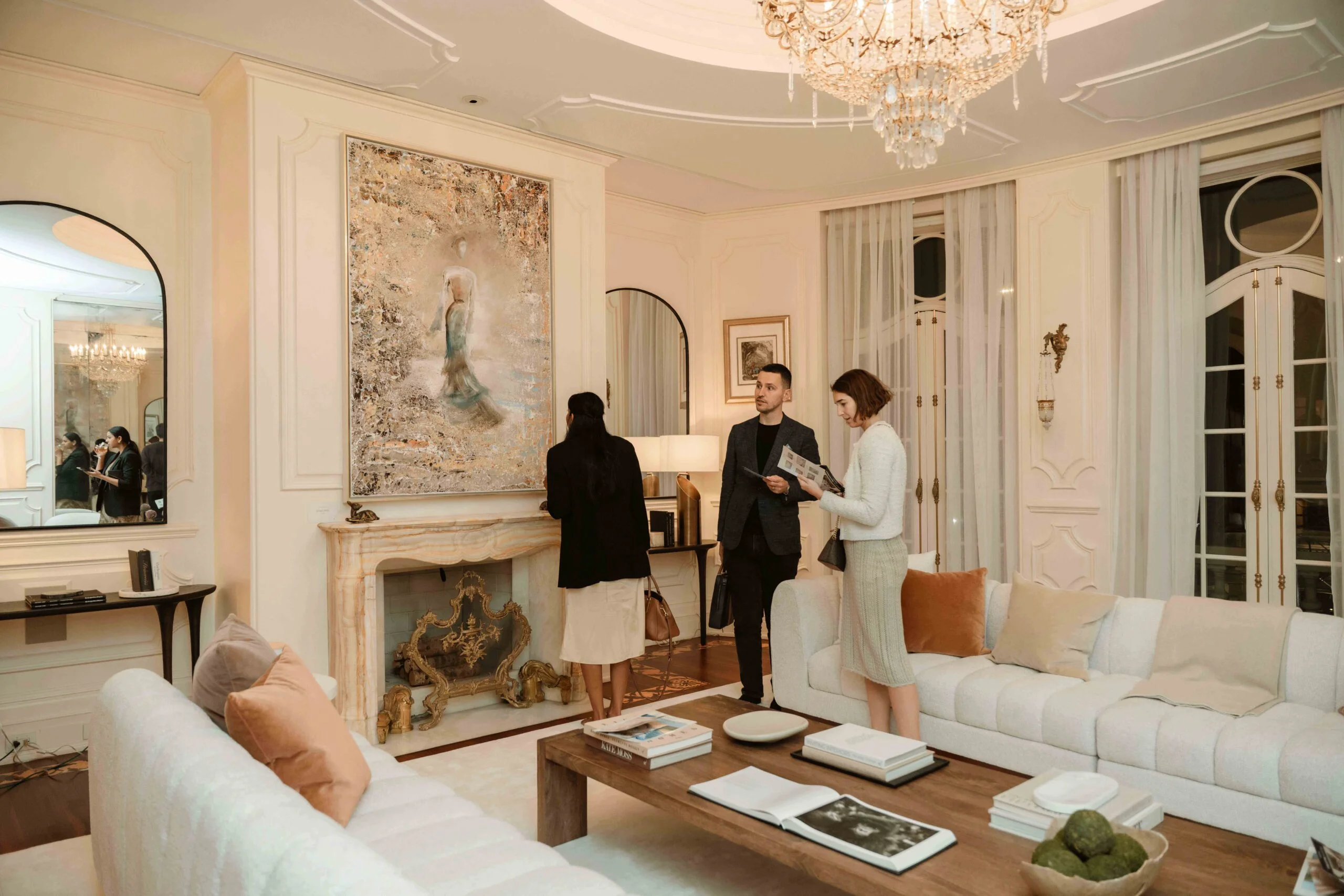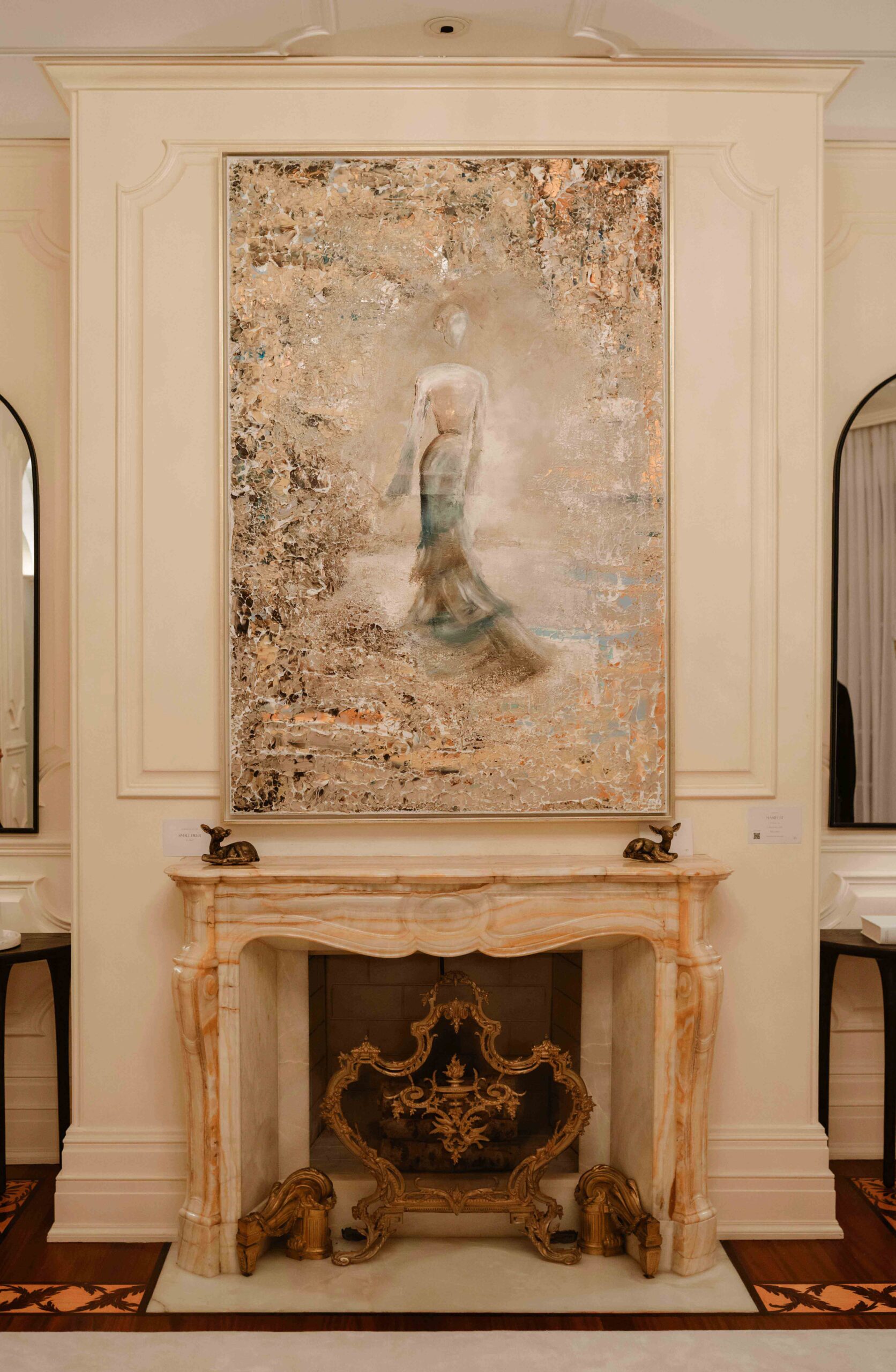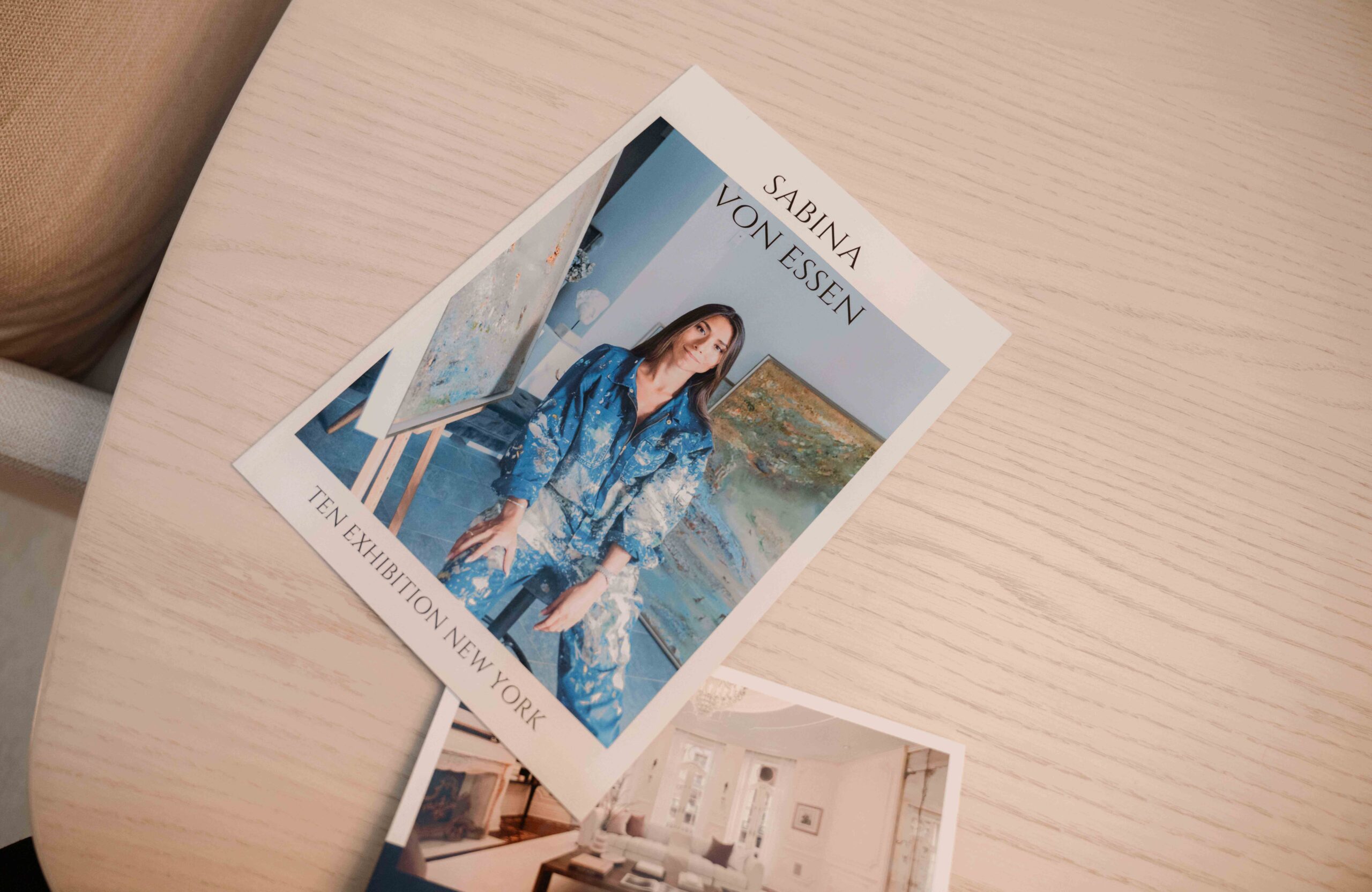


On a quiet Manhattan street, a townhouse turned into something different for one night. It became a return to the oldest way people once experienced art. Before the white cube. Before the commercial gallery. Before the idea that art should sit on a wall and be stared at. Sabina von Essen brought back the feeling of a salon, where art is not just shown but lived with. It did not feel nostalgic. It felt intentional.
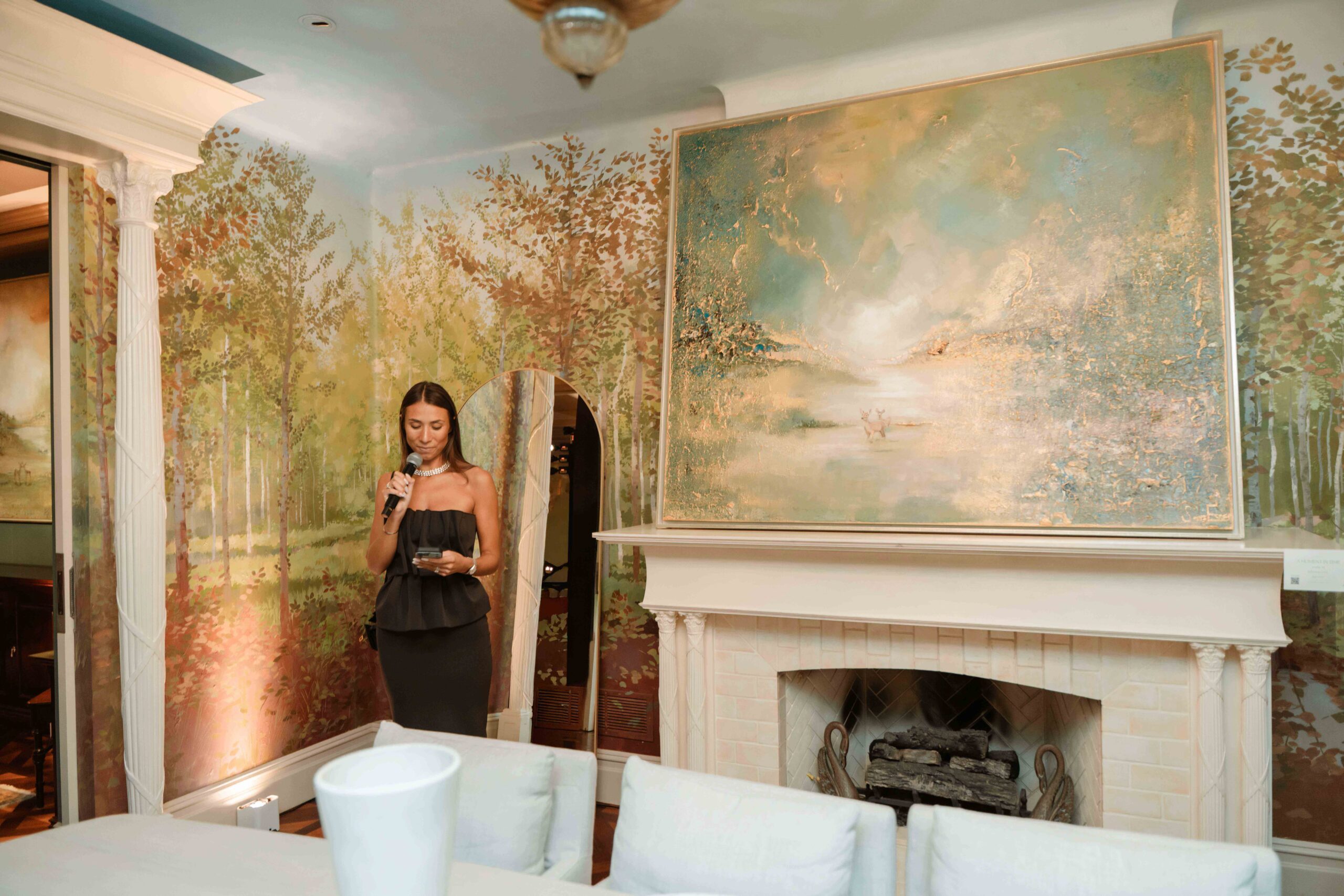
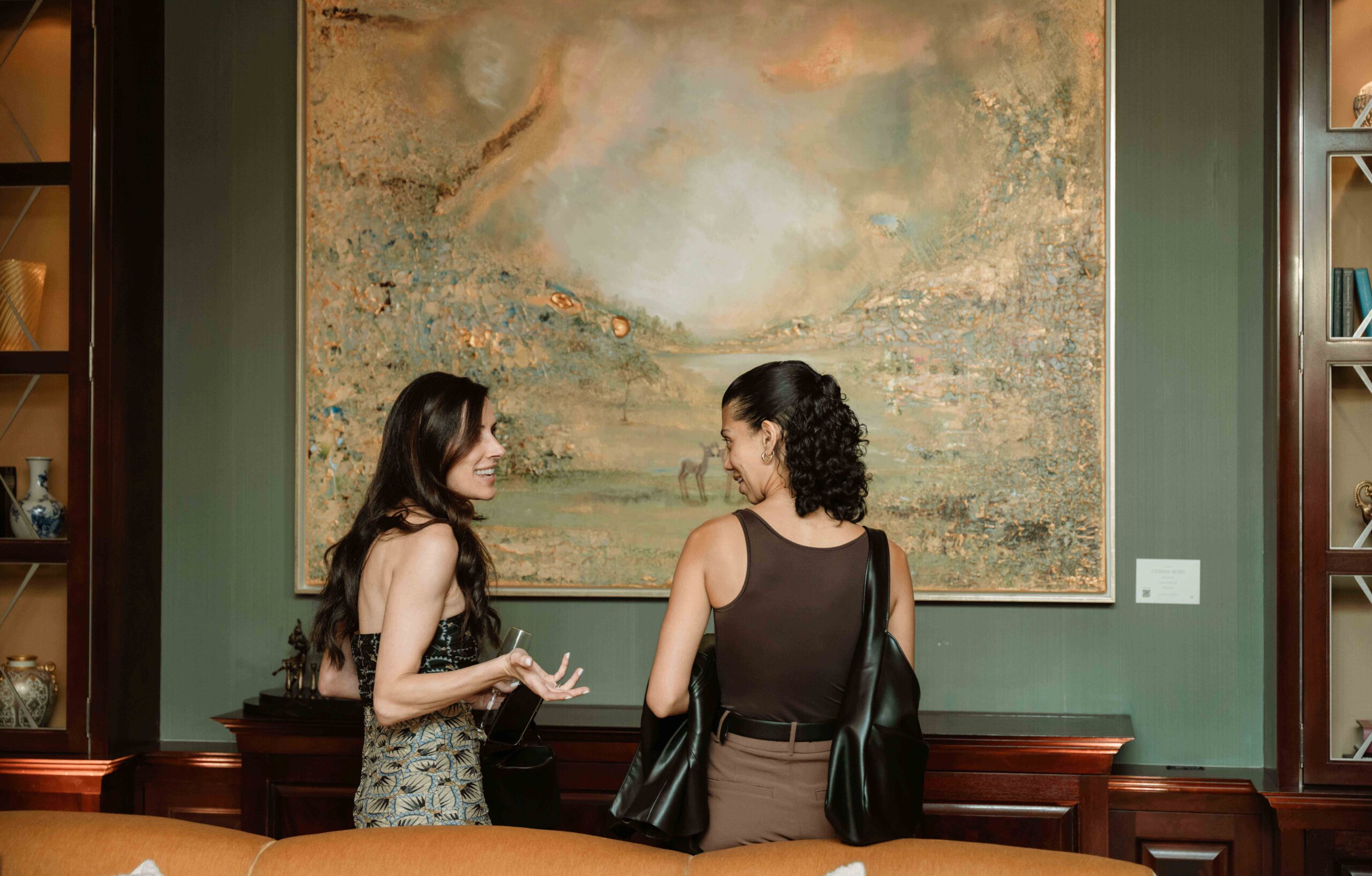
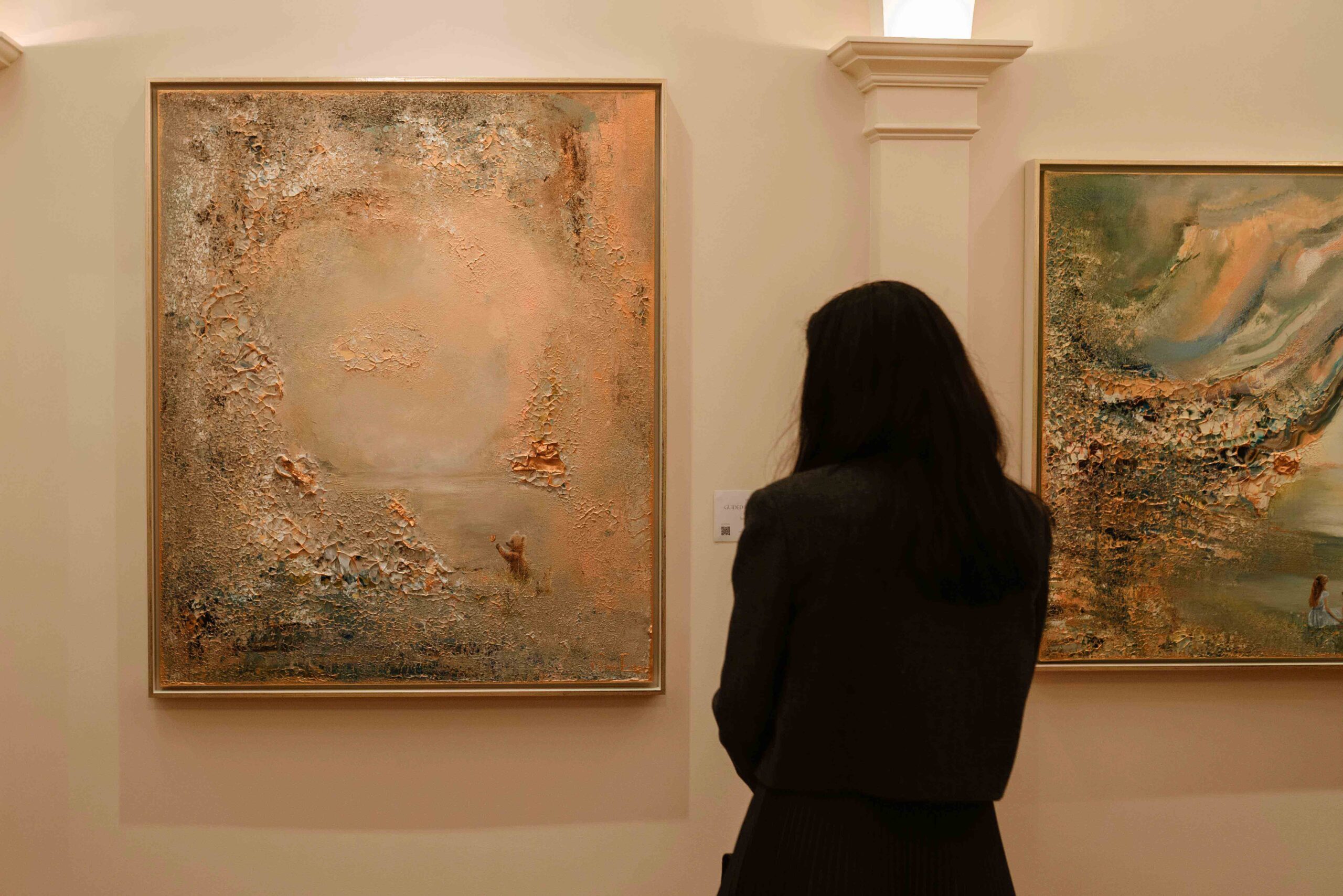
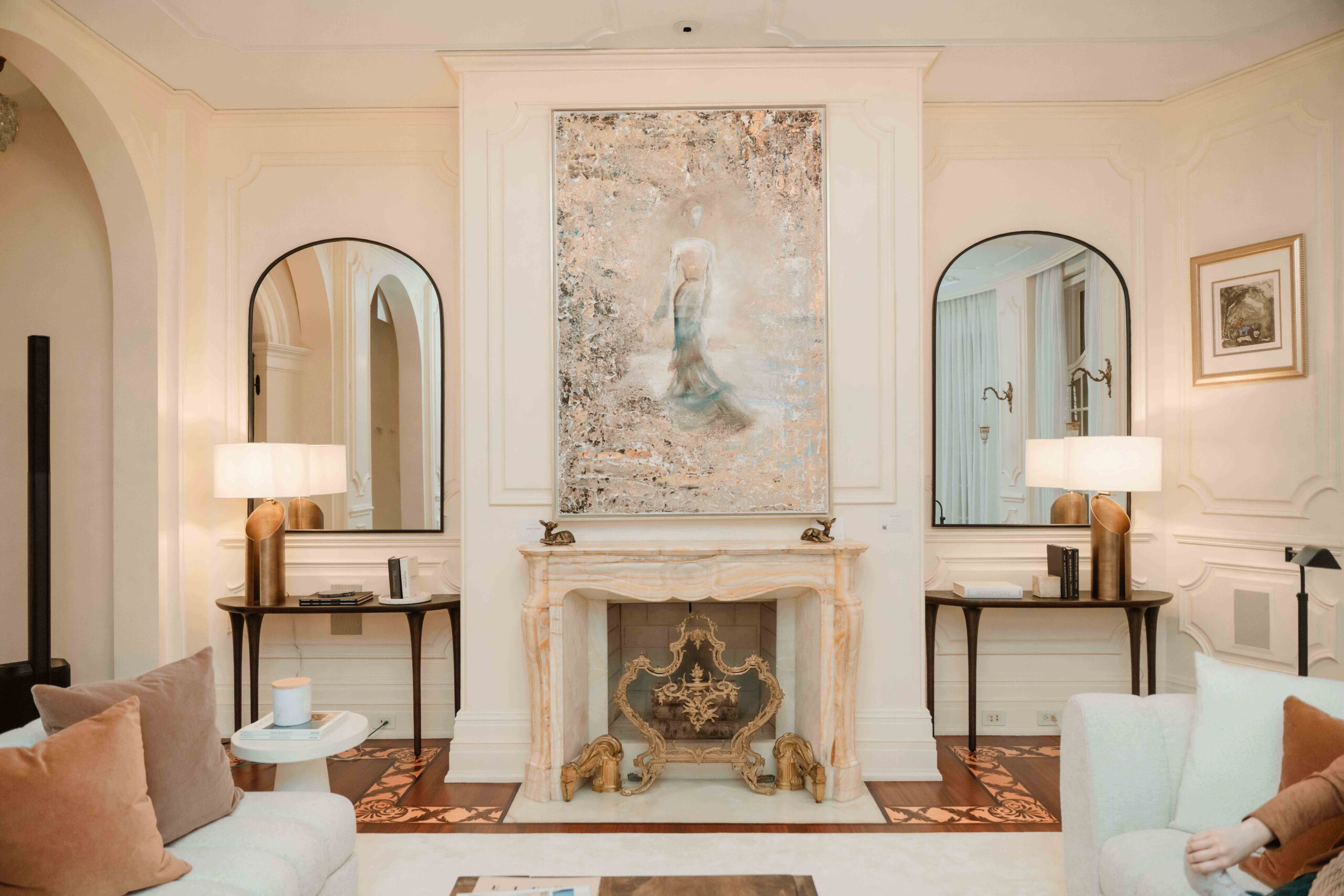
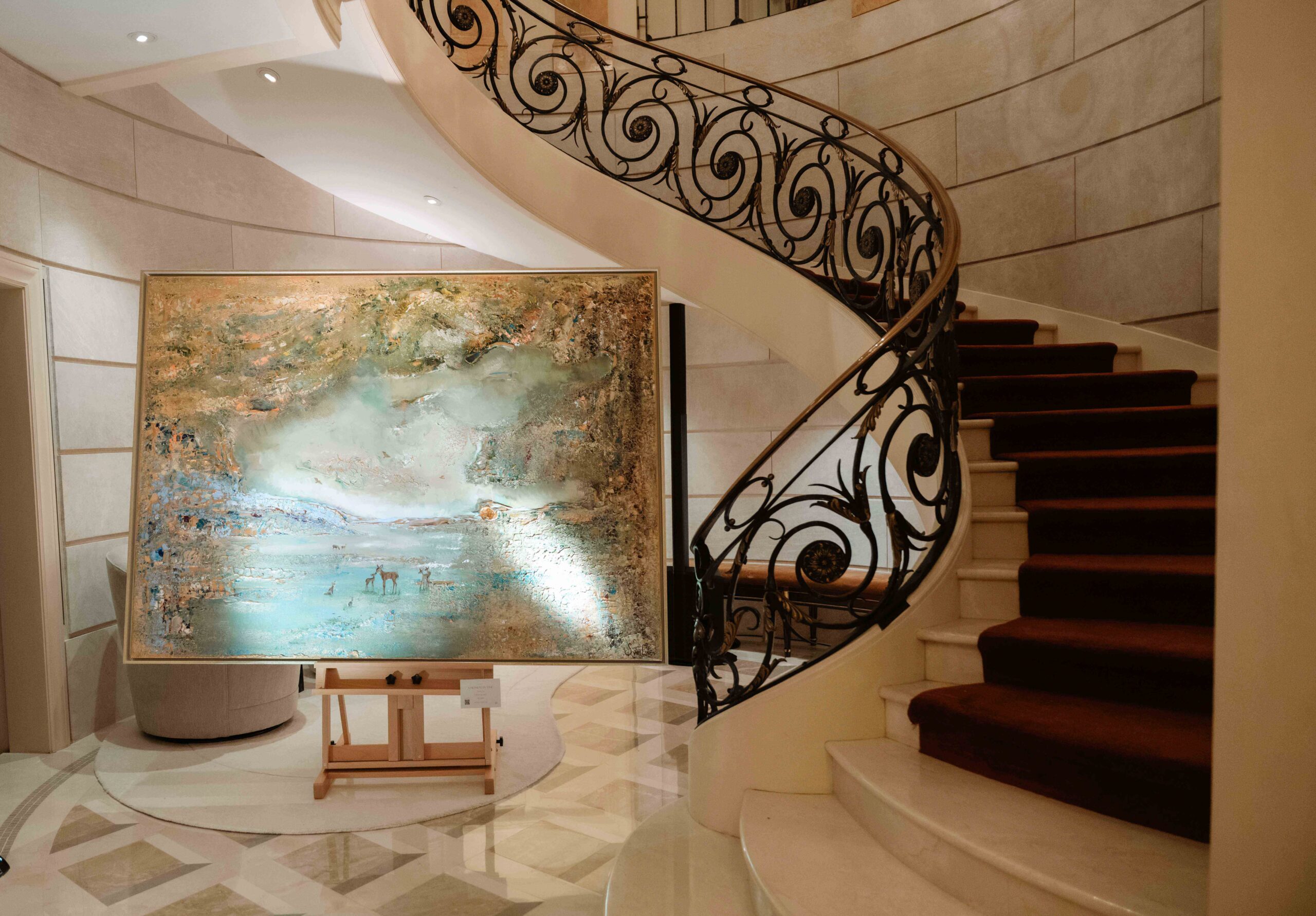
Inside the townhouse, nothing behaved like a normal exhibition. The paintings did not act like paintings. They filled the rooms and set the atmosphere. Sabina created sculptures of deer and other animals to make it feel like her world had stepped out of the canvas and into the house. The space became a living version of TEN, not a presentation of it.
“We showed it in a home because everything changes when art shares space with life,” she said. “I want people to feel like they are living inside the paintings.” And they did. People walked through the rooms the same way they might walk through a dream or a memory.
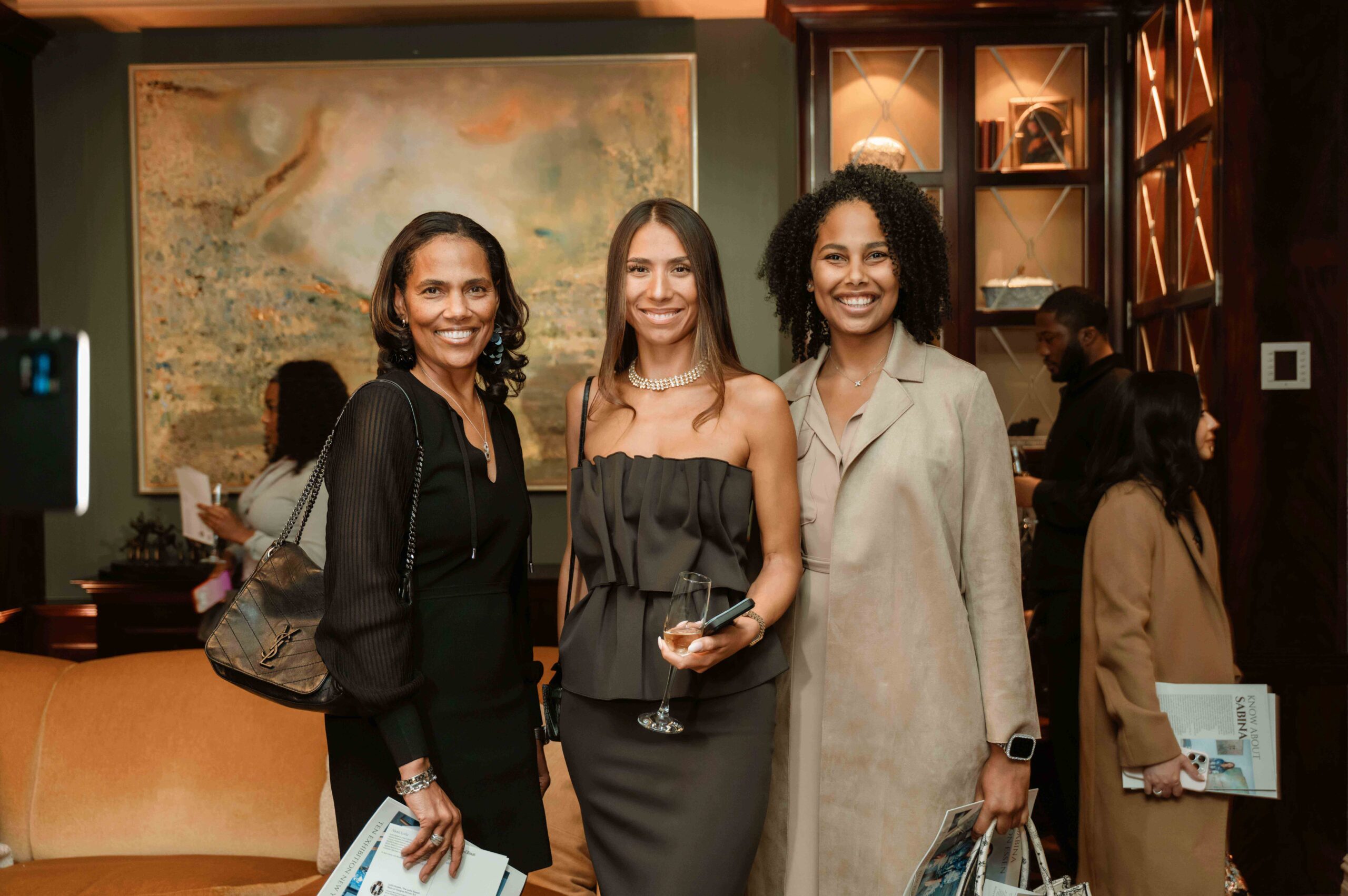
More than a thousand people tried to get in. Around four hundred fifty made it. The evening was broken into smaller groups, which gave it a quiet rhythm. The flow felt more like a private gathering than a typical New York opening. Conversations formed naturally. People slowed down. There was room to breathe.
What made the night even more interesting is how two different eras came together. Sabina is part of a generation of artists who built a global audience on Instagram before ever meeting many of their supporters face to face. Instagram became her first gallery and her first way of communicating the emotional core of her work. People around the world connected with her long before they ever saw the paintings in person.
At the townhouse, those two worlds collided. The digital community she built online came to life in a physical space that felt intimate and personal. It was an old-world salon powered by a modern platform. The technology brought the audience. The setting gave them a place to gather.
For Sabina, meeting many of these people for the first time was surreal. “It was a ‘they are real’ moment,” she told me. Throughout the night, there was even a small line of people waiting to talk to her. Not for photos. Not for small talk. They wanted to share their own stories because her work made them feel safe enough to do so.
TEN is built on chapters from her life. Showing those chapters inside a lived-in home shifted the meaning of the exhibition. It made the work feel alive. It also made the experience emotional for Sabina. “It felt like I was sharing my whole life with the people in that room,” she said. “It was emotional and unforgettable.”
This format signals something bigger. Artists today are not waiting for institutions to give them permission. They are building their own audiences online and creating their own environments offline. Instagram spreads awareness. The salon creates depth. Together, they form a new model for how art reaches people.
Sabina is already planning the next one, most likely in New York again. It will be another lived space, another world built from her inner life.
For one night, the townhouse was more than a backdrop. It was a bridge between the digital world she built and the physical world she created. It showed what happens when old methods of gathering and new methods of reaching people meet in the same room.
TEN felt complete in that space.
Images provided by @paragon.films