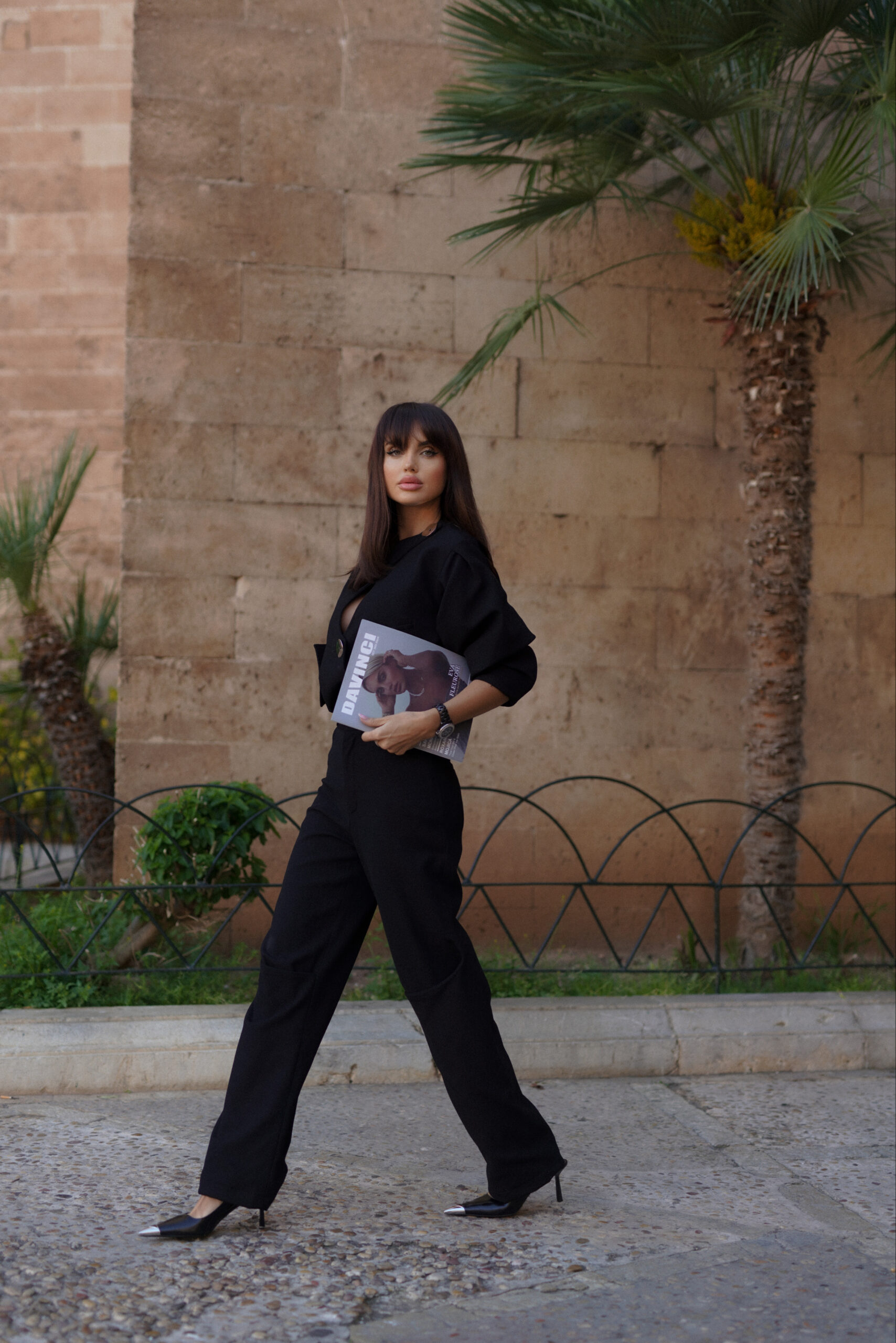


Streetwear outfits have become more than just fashion statements. They’re cultural symbols, rooted in self-expression, rebellion, and community. What started on the streets of New York and Los Angeles in the early 90s has now evolved into a global style phenomenon worn by artists, athletes, influencers, and everyday creatives.
Whether you’re 18 or 24, chances are your closet has been influenced by the different phases of streetwear. Let’s take a look at how this iconic fashion style has changed over the decades, from underground skate parks to high fashion runways.
The Birth of Streetwear: 1990s
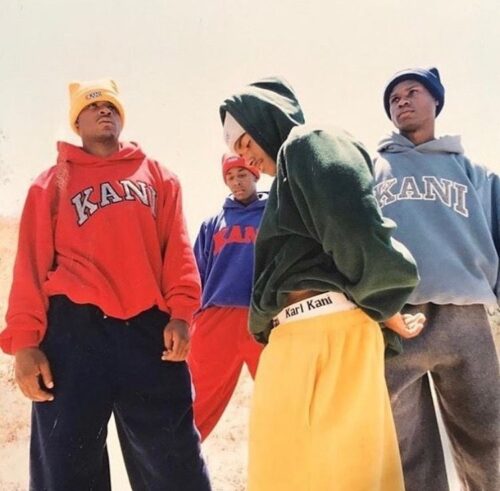
Streetwear outfits in the 90s were all about authenticity. This era saw the rise of brands like Stüssy, FUBU, Karl Kani, and Cross Colours. Influenced by hip-hop, skate culture, and graffiti art, streetwear started as a niche movement led by people who were often overlooked by the fashion elite.
Key Features:
- Oversized jeans and t-shirts
- Bucket hats and snapbacks
- Bold logos and graphic prints
- Timberland boots and Nike Air Jordans
This was the era of individuality. Your streetwear outfit said something about where you were from and what you stood for.
The 2000s: Bling, Brands, and Baggy Fits
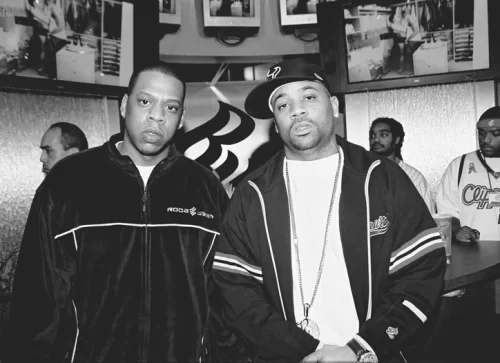
The early 2000s introduced a flashy and label-heavy phase of streetwear. Hip-hop artists dominated pop culture and their influence spilled into fashion. Think Rocawear, Sean John, Phat Farm, and Baby Phat.
Key Features:
- Velour tracksuits
- Oversized jerseys
- Denim on denim
- Logos on everything
Streetwear became commercialized, but it also became more inclusive. Brands started targeting younger consumers, and fashion became louder, bigger, and flashier.
The 2010s: Hypebeast Culture and the Rise of Sneakers
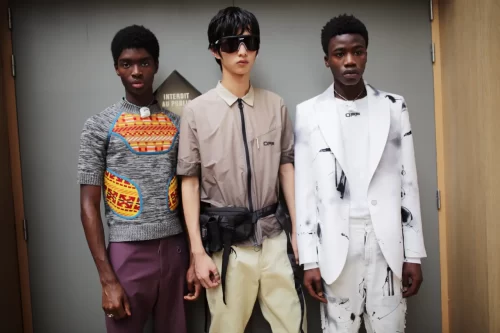
By the 2010s, streetwear had reached a turning point. The rise of Instagram, sneaker blogs, and fashion forums gave birth to hypebeast culture — where limited releases, resale value, and brand loyalty became everything.
Enter brands like Supreme, BAPE, Off-White, and Palace. These brands redefined what it meant to be cool.
Key Features:
- Limited-edition drops
- Sneaker culture boom (Yeezys, Dunks, Ultra Boosts)
- Layered looks and longline tees
- Streetwear x luxury brand collabs
Suddenly, streetwear was no longer just for skaters or rappers. It became aspirational and collectible.
Today: The Blended Era (2020s and Beyond)
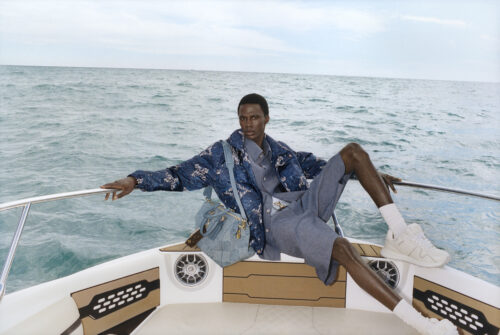
Streetwear outfits today reflect a mix of everything that came before, but with a modern and inclusive twist. Gen Z has brought a fresh energy to the space, focused on sustainability, gender-neutral clothing, and individuality.
Luxury fashion houses like Dior, Balenciaga, and Louis Vuitton now embrace streetwear on their runways. Meanwhile, creators on TikTok and Instagram influence what’s trending faster than any magazine ever could.
Key Features:
- Techwear and functional fashion
- Vintage-inspired pieces from the 90s and 2000s
- Neutral color palettes and earth tones
- Upcycled and thrifted streetwear
Today’s streetwear outfits blend function, style, nostalgia, and self-expression. Whether you’re rocking oversized cargos with a crop top or pairing a vintage graphic tee with Jordans, your fit is your voice.
Final Thoughts
Streetwear outfits have always been about more than clothes. They’ve told stories, sparked movements, and connected people from all walks of life. From the bold colors of the 90s to the curated minimalism of today’s trends, the evolution of streetwear reflects the evolution of culture itself.
As trends continue to shift, one thing stays the same — streetwear is a language, and every generation finds new ways to speak it.