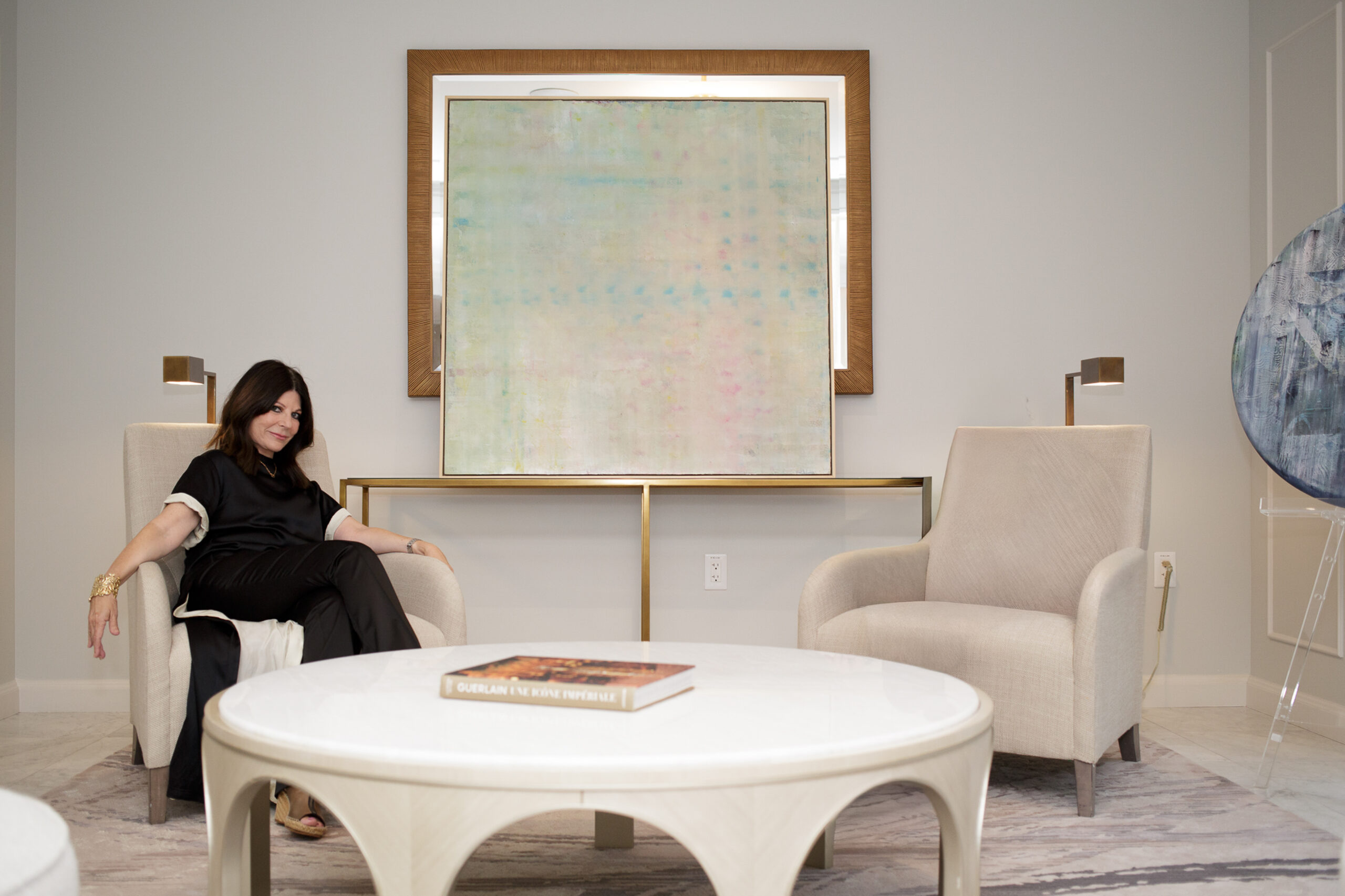


At the Waldorf Astoria New York, Bonnie Star’s work became part of a larger conversation about how art changes once it leaves the studio and enters a public space.
By Peter Koloff
At the Waldorf Astoria New York, Bonnie Star presented work during MvVO ART SHOW 2026, which ran at the hotel from September 21 through September 27. On September 24, Star was also at the center of a Collectors Circle event that gave guests a closer opportunity to spend time with the work.
According to Sean Quincy, who photographed the event, guests lingered throughout the evening, with some sitting in front of the paintings for extended periods rather than moving quickly through the room.
Star noticed the same thing.
“What struck me was watching people slow down and really enter the work. Seeing Dream Movement outside my studio, surrounded by the history and atmosphere of the Waldorf, made me understand even more clearly that a painting develops another life once it enters a space and becomes part of someone else’s experience.”
Dream Movement, a 30-by-30-inch work, became one way into a broader discussion about Star’s process. What can initially appear spontaneous is built through repeated decisions in the studio.
“At first, Dream Movement can feel very abstract and spontaneous, but it’s actually highly constructed. There are layers of photography, painting, removal and rebuilding beneath what you finally see. It is also the first time I photographed a work in progress and imbedded that into the painting.”
Asked what is hardest in that process, Star doesn’t hesitate.
“Knowing what to take away and what to leave. I’m constantly editing, painting over things I love, removing imagery, disrupting something that has become too resolved. The hardest part is allowing the work to become something I didn’t initially intend.”
She is just as clear about knowing when the process has reached its end.
“It’s very instinctive. A painting is finished when nothing is asking me to change it anymore. There’s a point when all the fragments suddenly feel inevitable, as though they were always meant to exist together. There is a feeling of balance. If I remove or add one more thing the imbalance feels uncomfortable.”
That attention to process and the finished surface also appears elsewhere in recent DaVinci coverage of contemporary painting, including Diane Green at Artech: Restraint in the Age of Overload.
Star’s titles reveal another side of the work. Falling Apart Together, Accidental Happiness and Here Again So Soon read almost like fragments of private thought.
“They’re absolutely personal, but I don’t want to explain them completely. They usually come from a thought, a feeling, a memory, or even a phrase that stays with me. I think of them almost as another layer in the painting, an invitation into the work without telling the viewer what to feel.”
The Waldorf gave those ideas a different setting. Its scale and history placed Star’s work inside an environment far removed from the privacy of the studio, while the Collectors Circle allowed people to spend time with the paintings at a slower pace.
“I actually love that contrast. I don’t think art needs to compete with architecture; it can change how a space feels. That’s what I mean when I talk about art as emotional architecture. Even an intimate work can alter the atmosphere of a room and create a moment of connection, memory or feeling within it.”
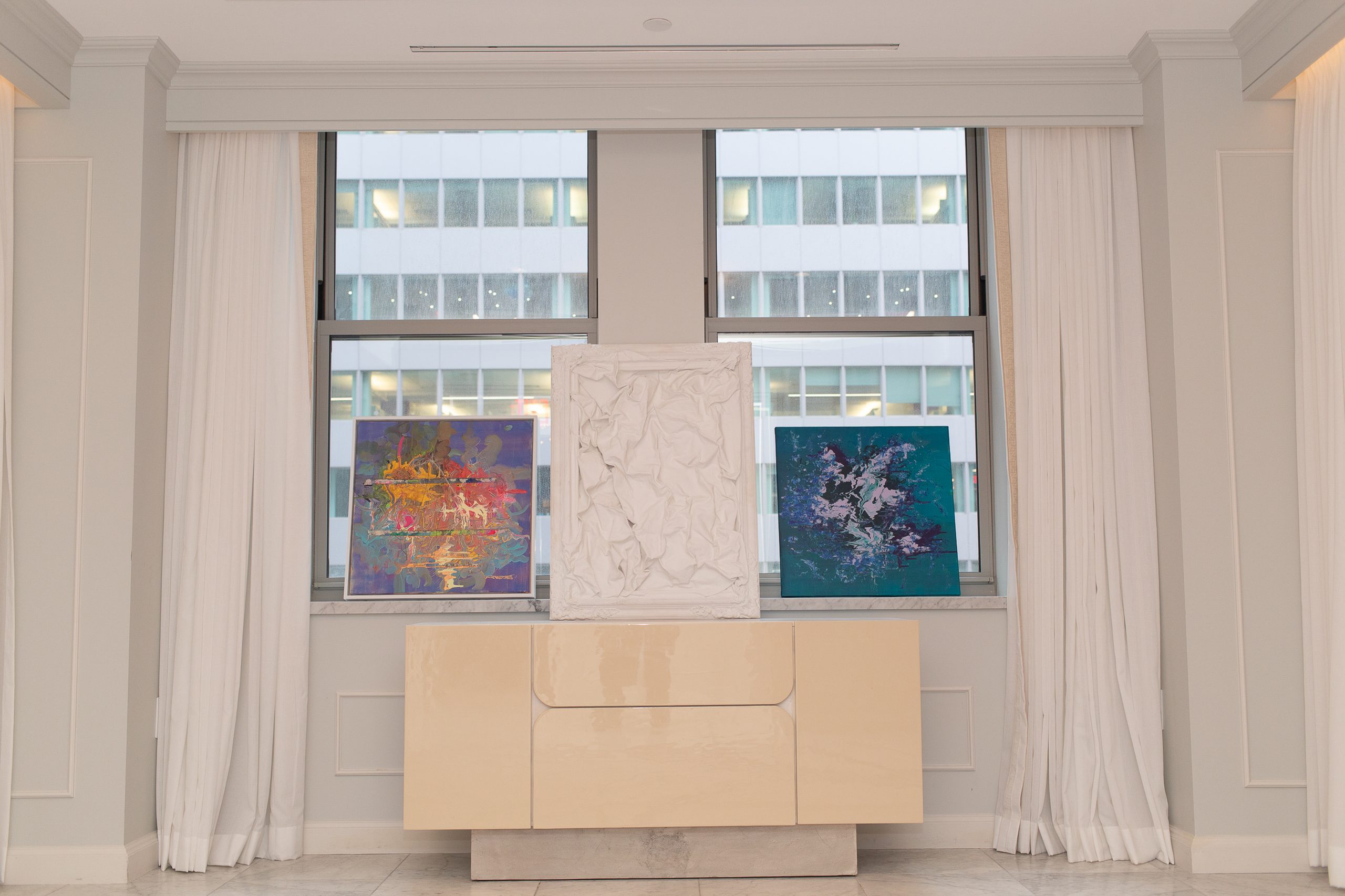
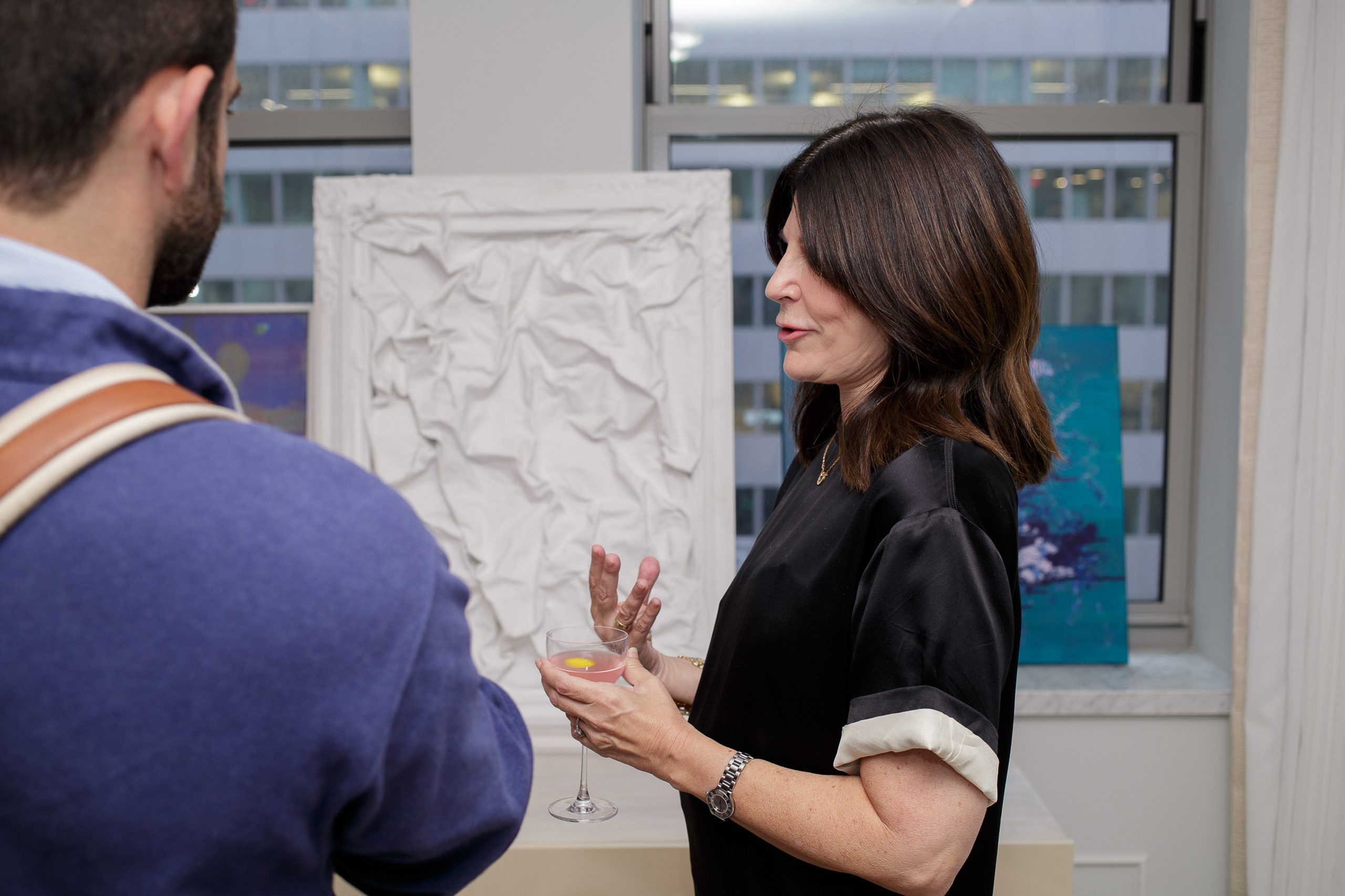
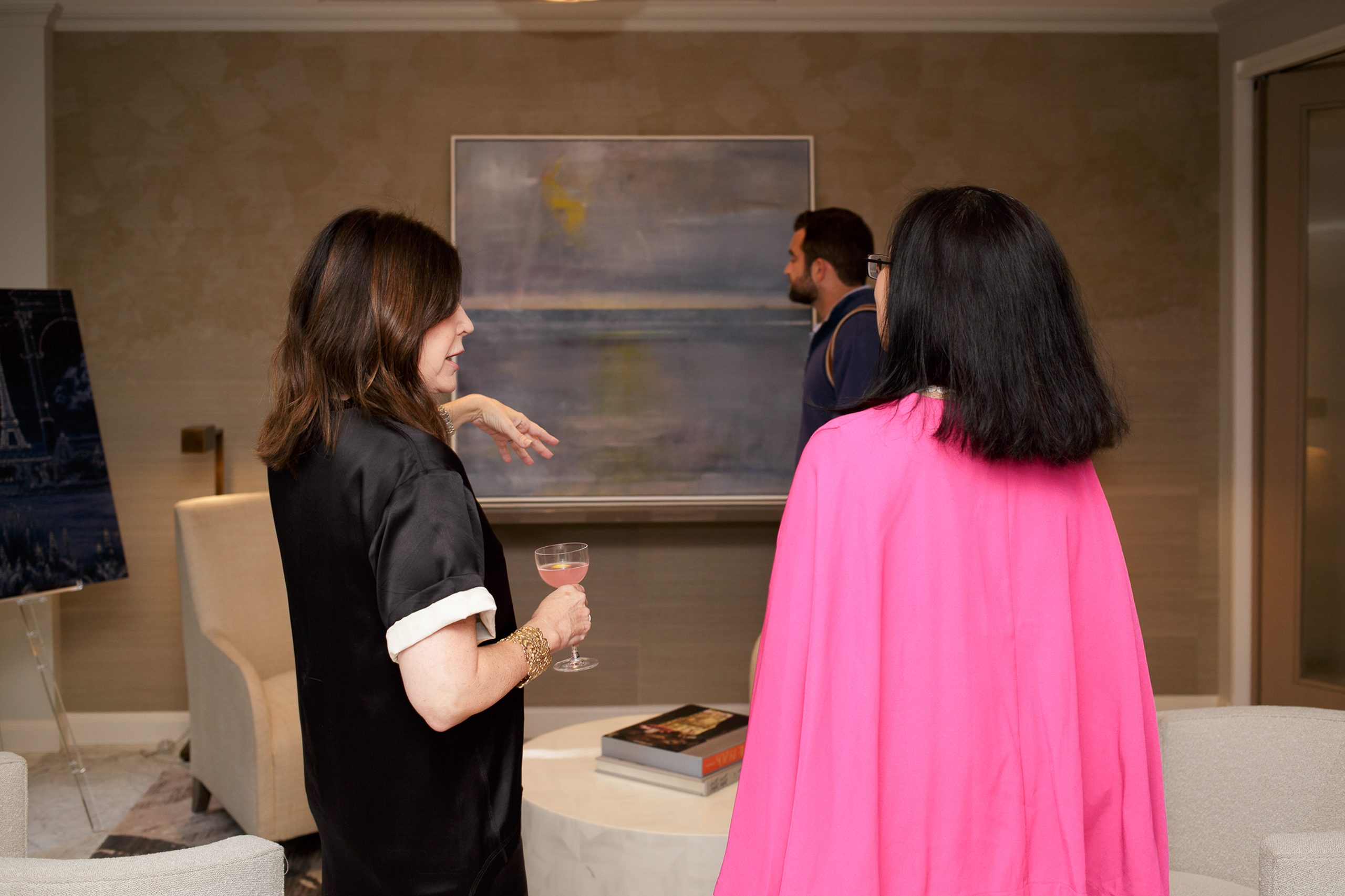
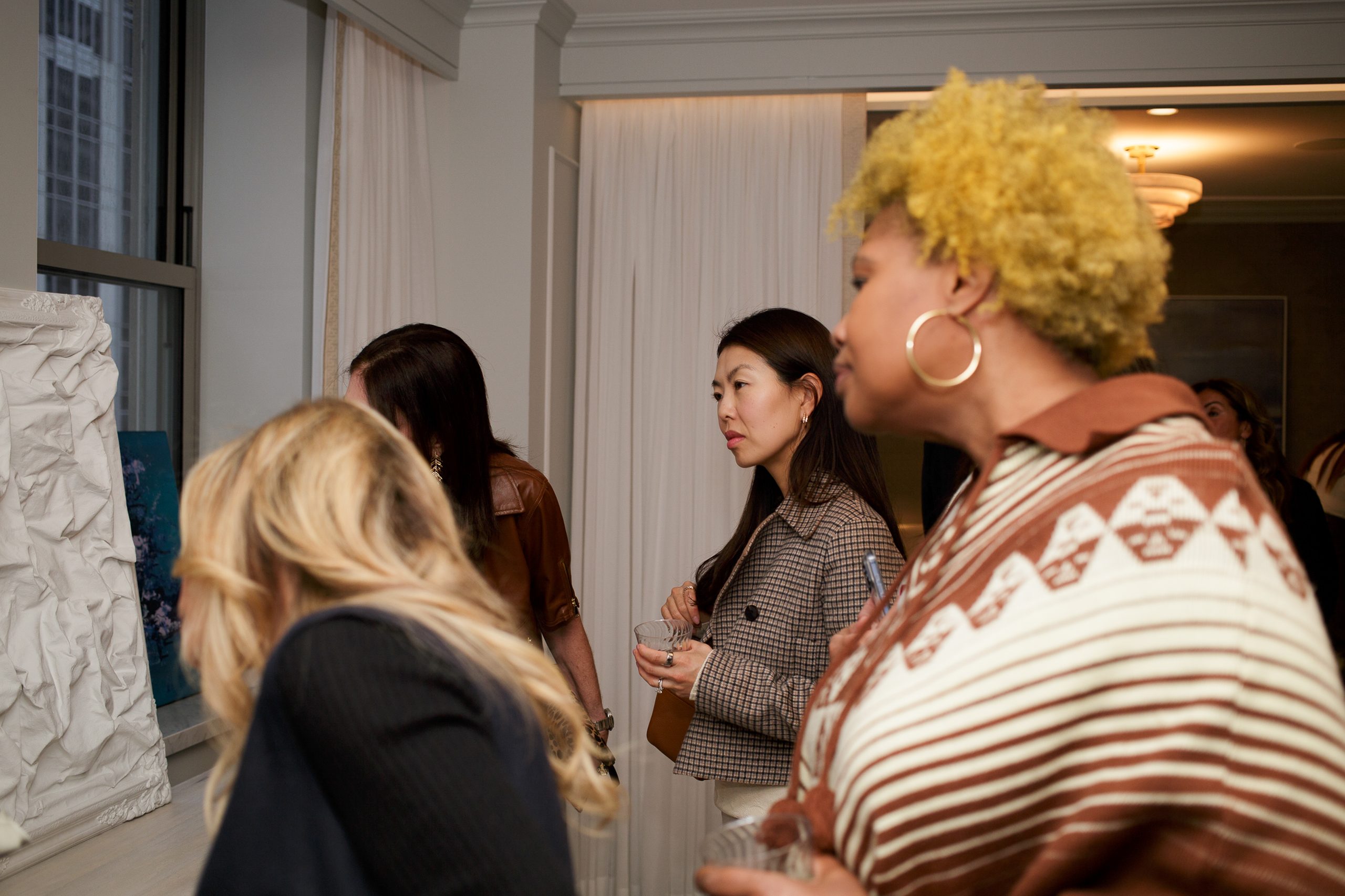
Photo by Sean Quincy / Peter Koloff Studio