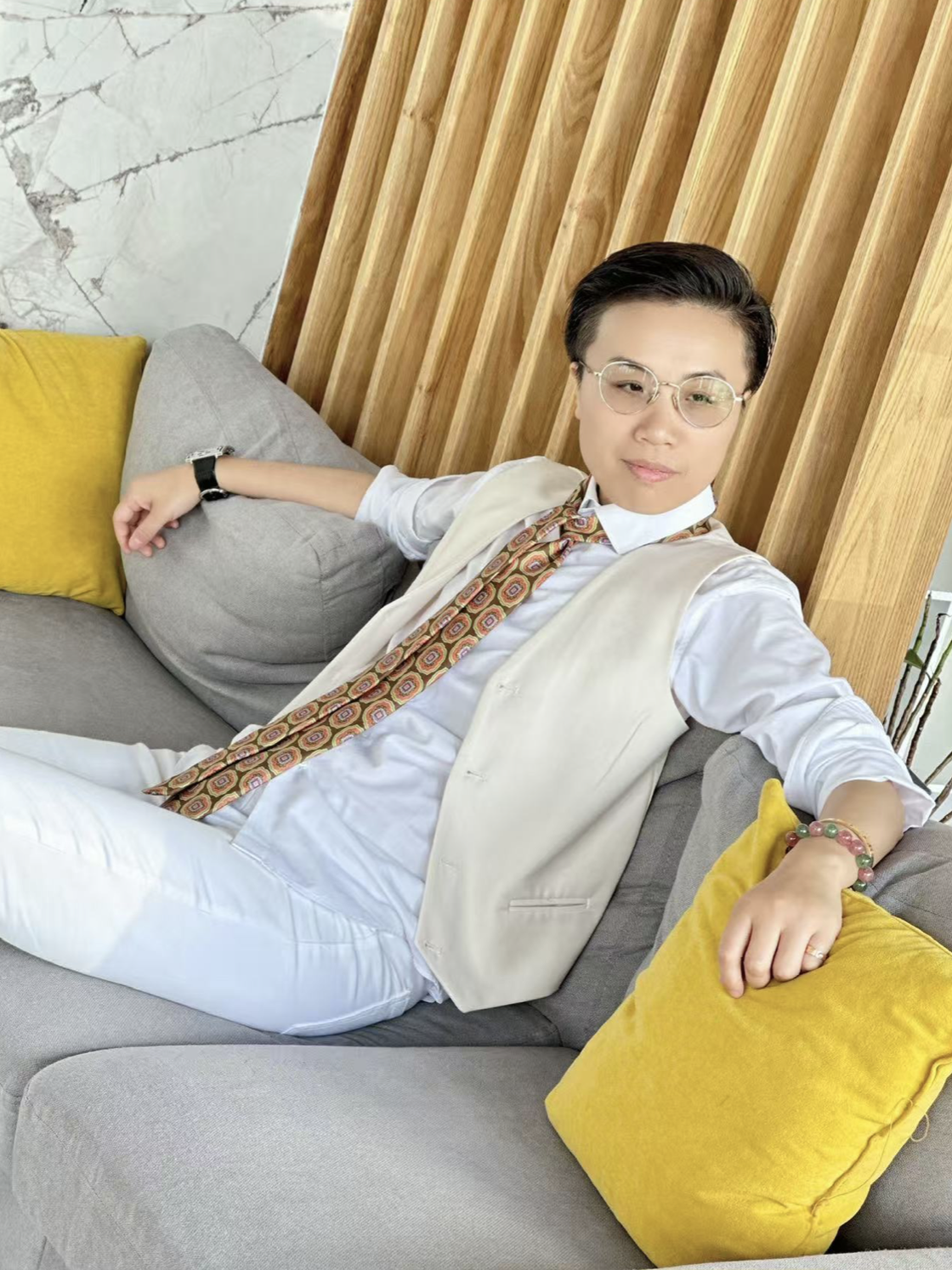


With November Visa, the director continues an ambitious anthology built to show Western audiences a Chinese America they rarely see on screen.
By DaVinci Magazine Staff Writer
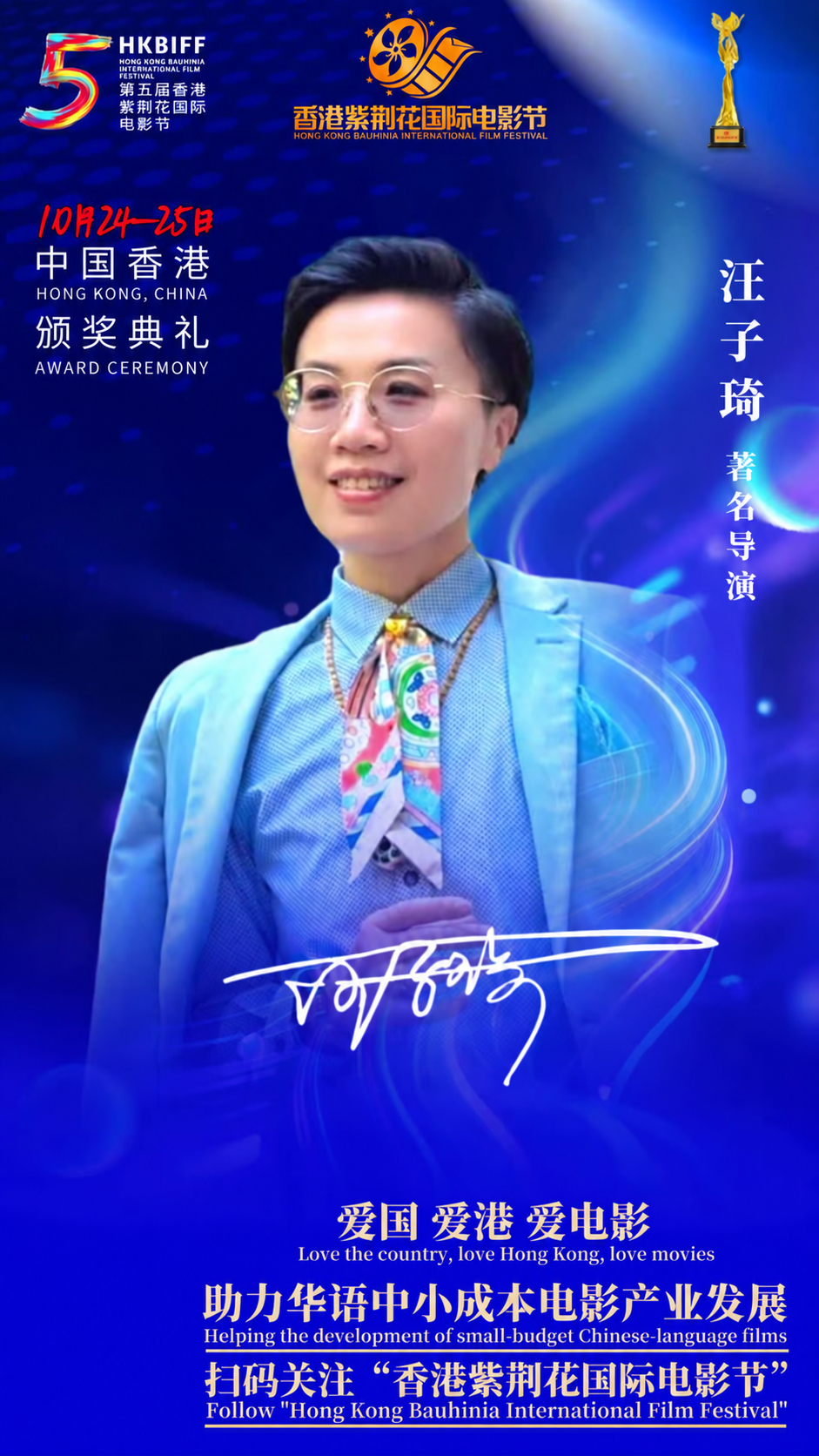
November Visa, shot in New York this year, is one of four short films Wang Ziqi has made this year as part of his New York Stories series. His long-term goal is to make 100 films under the project. “Through my films, I want to show the Western world that Chinese people living abroad have already achieved success in every field,” Wang says. “Our lives can no longer be defined by the stereotypical Asian images in Western media.”
He knows the shift will be slow. “It will still take time,” he says, “for us to get mainstream Western society to accept ideas rooted in our own Eastern culture.”
November Visa follows international students who graduate in New York and have to secure a new status by November to stay, whether to work, continue studying, or start over. The screenplay dates to 2019, when mainstream Chinese television was full of programs about Reform and Opening-Up and how the era had changed life for Chinese abroad. Around the same time, news of a Chinese-American woman’s death stayed with him. He describes that loss as the reason the screenplay had to be written.
The lead role reaches back a generation. For many Chinese viewers, Wang Ji is still the face of A Native of Beijing in New York, a series whose ratings, Wang notes, no later drama on the subject has matched. He first reached her while writing a paper, through a former supervisor who knew the father-in-law of her daughter. On set, he says, she helped in ways a credit list cannot show.
He sees a wide gap between her generation of immigrants and today’s. The earlier arrivals came to survive; newer ones come to buy property and open companies. That changing relationship between Chinese creatives and New York can also be seen in DaVinci’s profile of Yuhan Liu and the growing presence of Chinese fashion in the city. The pressure has not gone away, in Wang’s account. It has changed shape.
Students are only part of what he films. He has watched women around him weigh a career against a household, and met artists in New York who set their work aside to make a living. The Lily in the Cracks, selected for the Hong Kong Bauhinia International Film Festival, takes up those women: every woman balancing a dream against daily life, he says, is that lily. His films always start from a living prototype. He is blunt about what happens to people who let ambition go. Life is short, he says, and without ambition, distance and time hollow you out.
Getting November Visa made meant building a set that worked in two languages. Many students wanted to join the crew, but not all of them had the level of Chinese and English the shoot required. Funding came partly from entrepreneurs willing to support cultural projects, among them Annie Gao, founder of United Aline. Within the budget, Wang says, he ran the set to give the crew as much room to work as he could. DaVinci has also profiled a younger generation working across film, fashion, design, and independent production.
Asked what he is proudest of, Wang points to the production itself: a Chinese-American director assembled a crew and finished a film.
He wants New York Stories to be what his name is known for, and he wants overseas Chinese from different generations to recognize something of their own experience in it.
He has little patience for the idea that software will replace directors. AI can polish a frame, he says, but it cannot produce the feeling that made him start writing after 2019. In his view, an AI-made feature is nothing but a high-end cartoon.
His advice to younger directors is short: keep loving film, and keep making it.