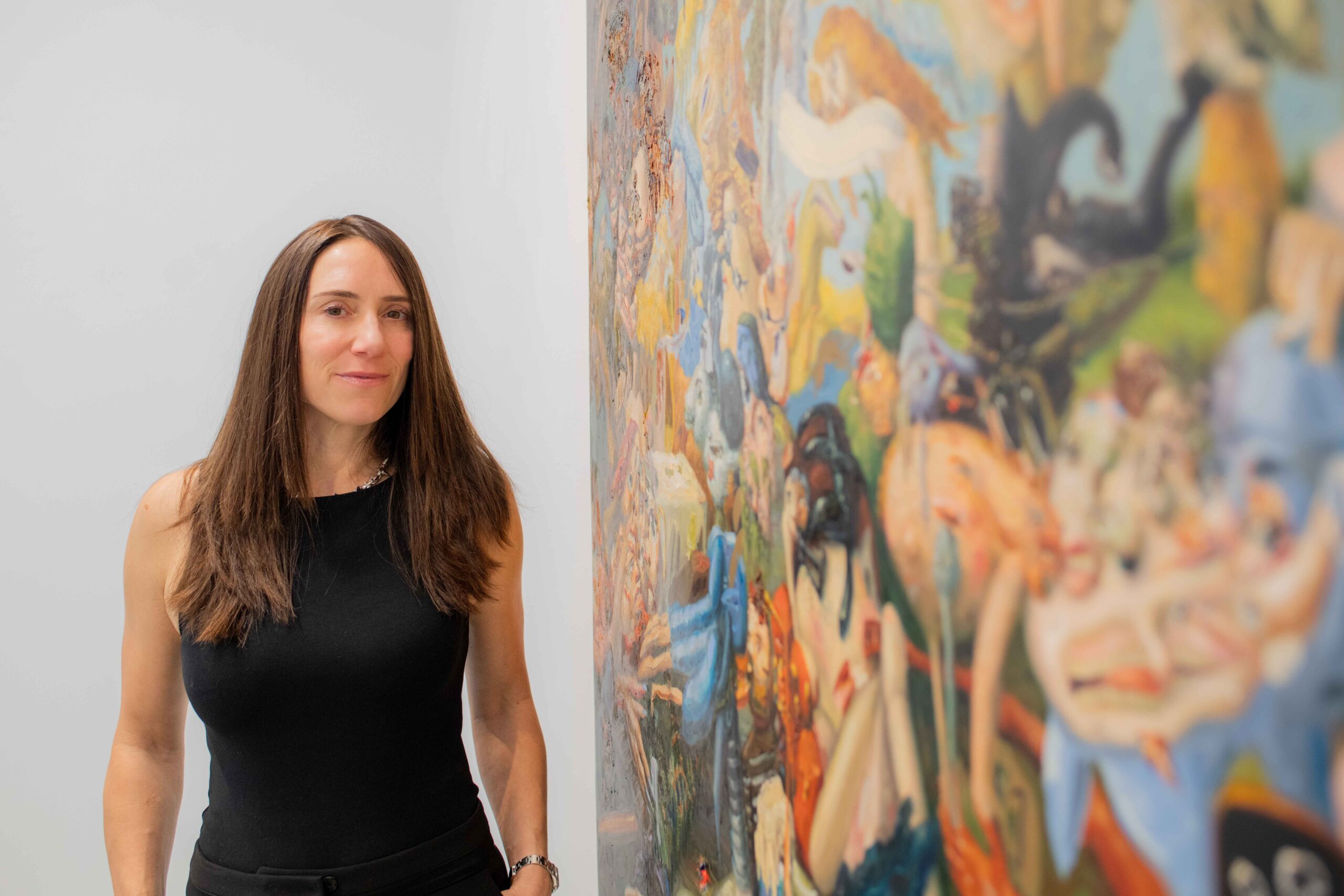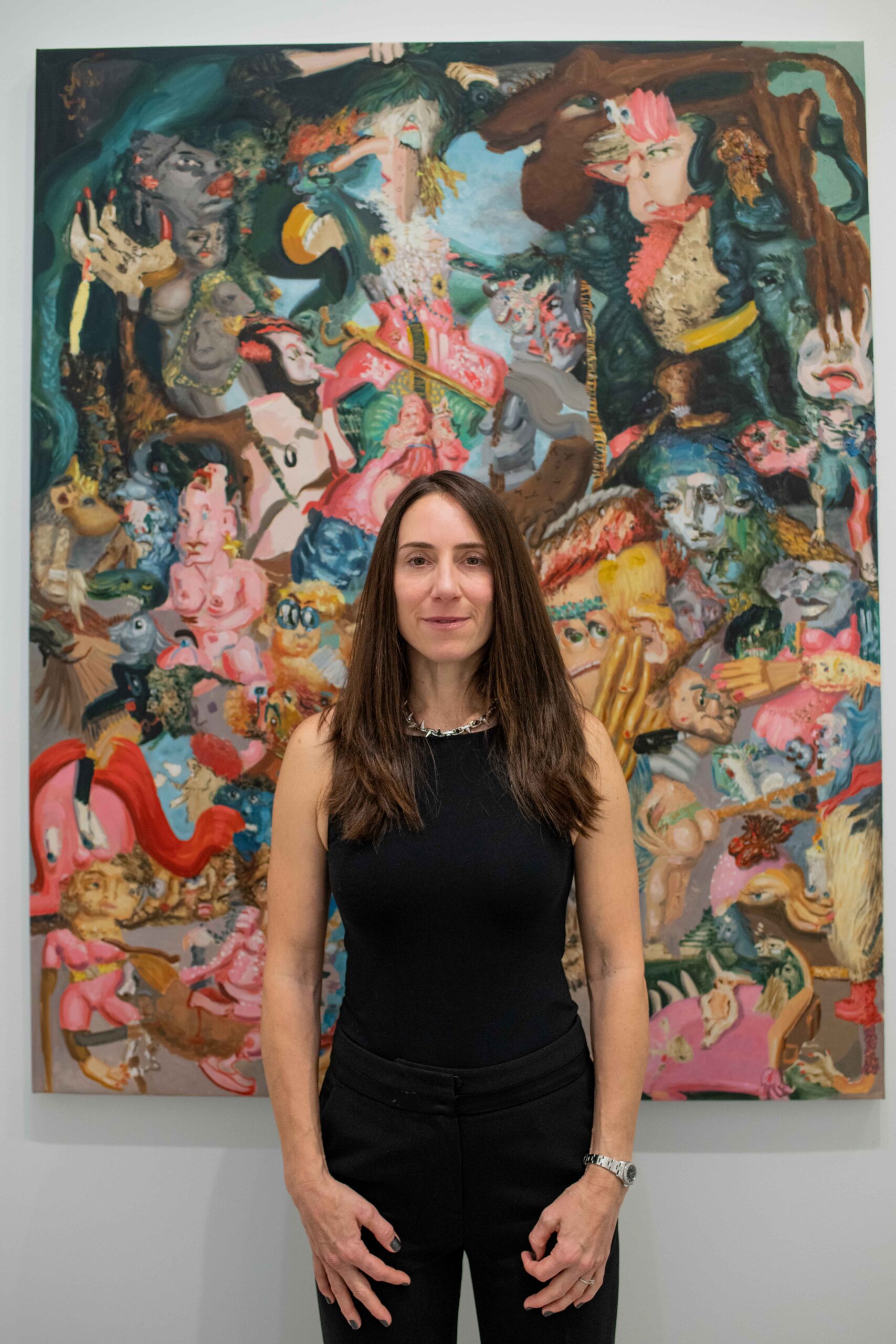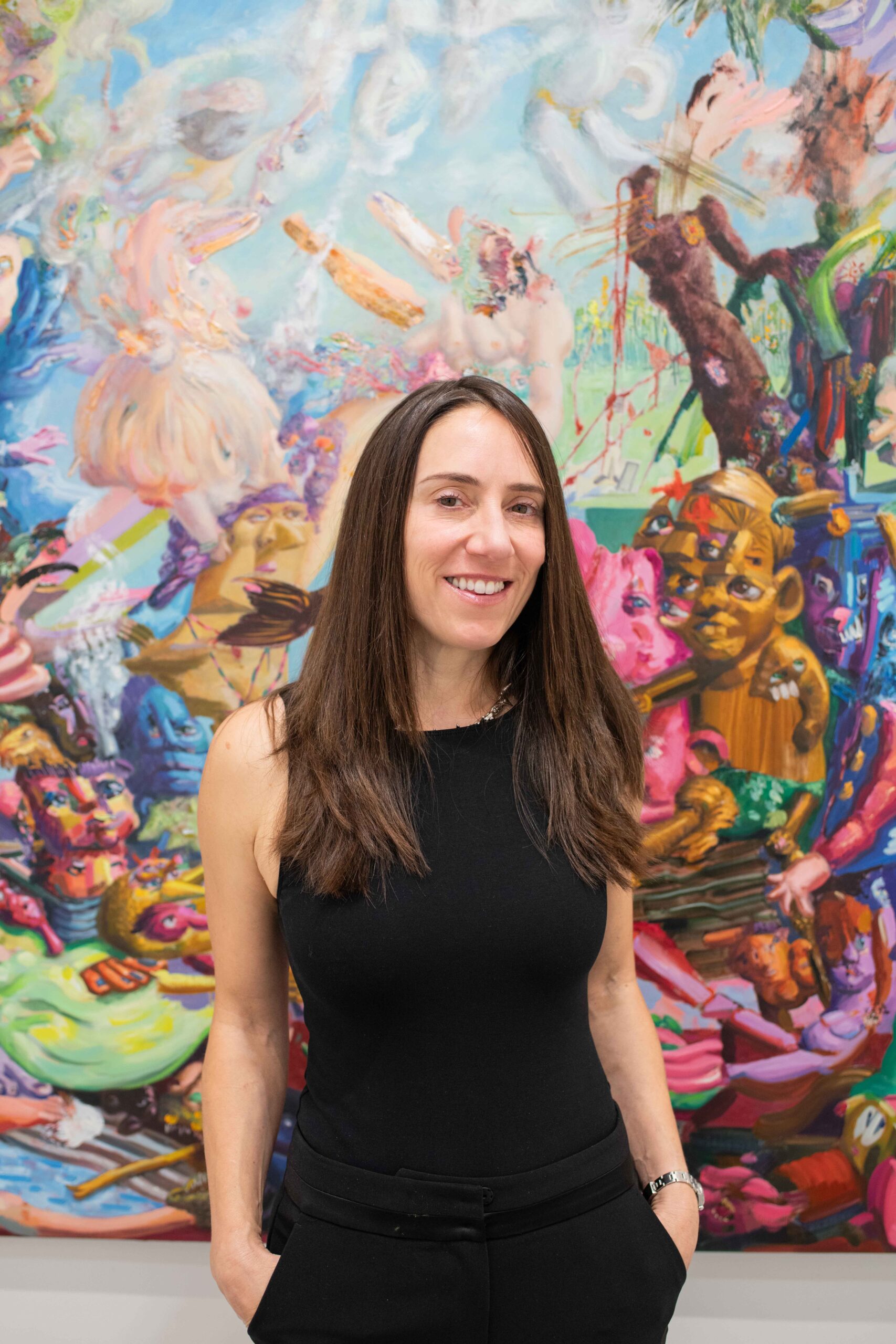


The first thing you notice about Dannielle Hodson is calm. The kind that only comes after chaos has done its work. She sits across from me, unhurried, her voice soft but certain, talking about a past most people would rather hide.
“The person I thought I was,” she says, “was in turmoil. Everything I had worked for just vanished.”
It began with an argument she wasn’t part of. Two people fighting. A glass in her hand. An instinct to stop it. “I tried to step in,” she says. “I didn’t realize how angry they were.” One of them turned back, fingers around her throat, and in a single, reflexive moment, her life split.
“That’s a forking path,” she says. “You’re on one track and suddenly everything changes. Everything you thought you were going to be, every plan you made, it’s gone. You’re someone else now.”
Before prison came the waiting. The bail, the silence, the endless imagining. “I’d never been in trouble before, not even in school,” she says. “I was terrified. My imagination made it worse than it was.”
But when she arrived, something unexpected happened. “Once I was actually there and I had to face it, I grew. I thought, right, this is where I am. This is what I’ve got. I have to work with it. And that’s who I’ve been ever since.”
That mindset, confronting chaos and then shaping it, became the foundation of everything that followed.
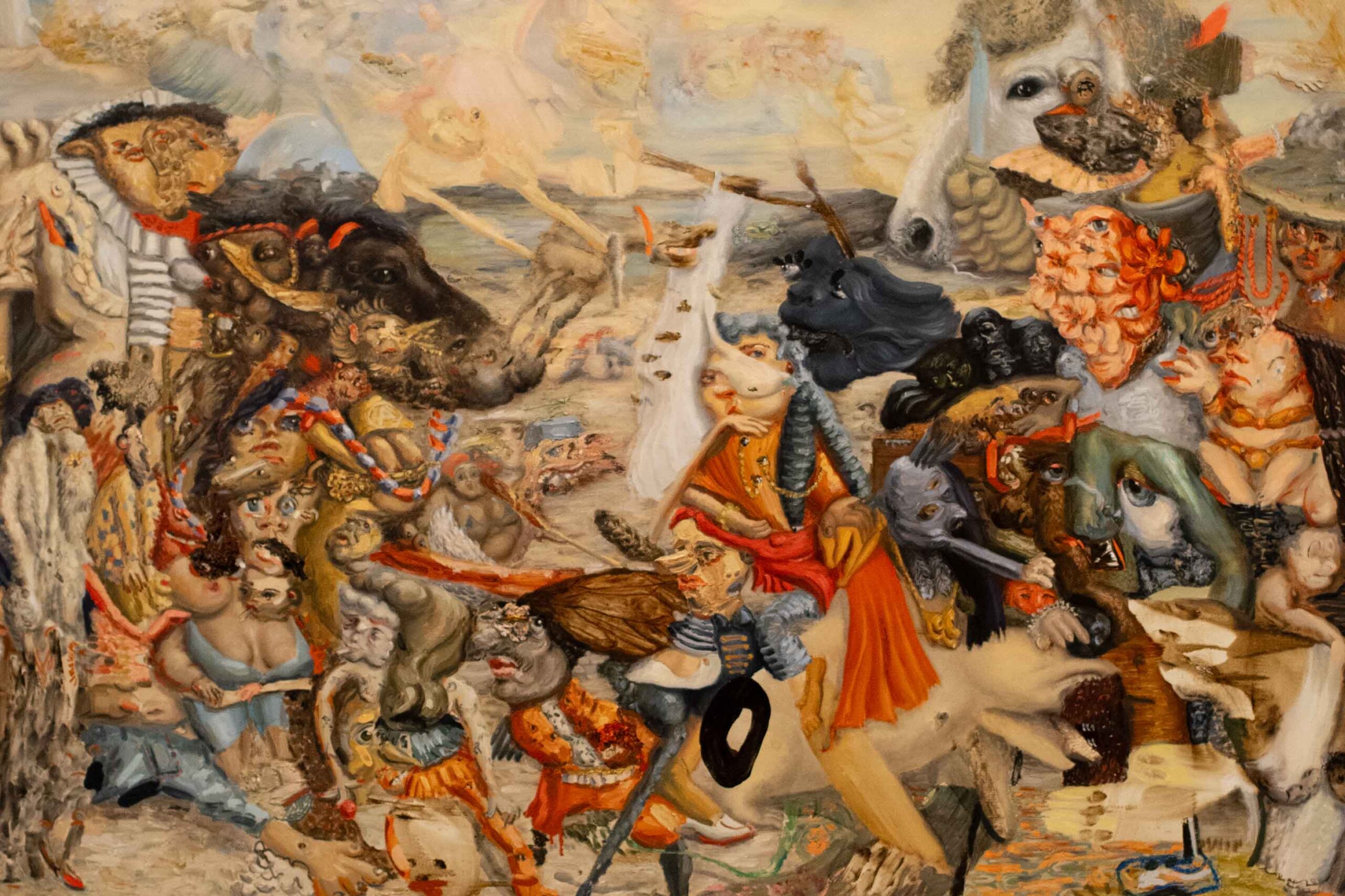
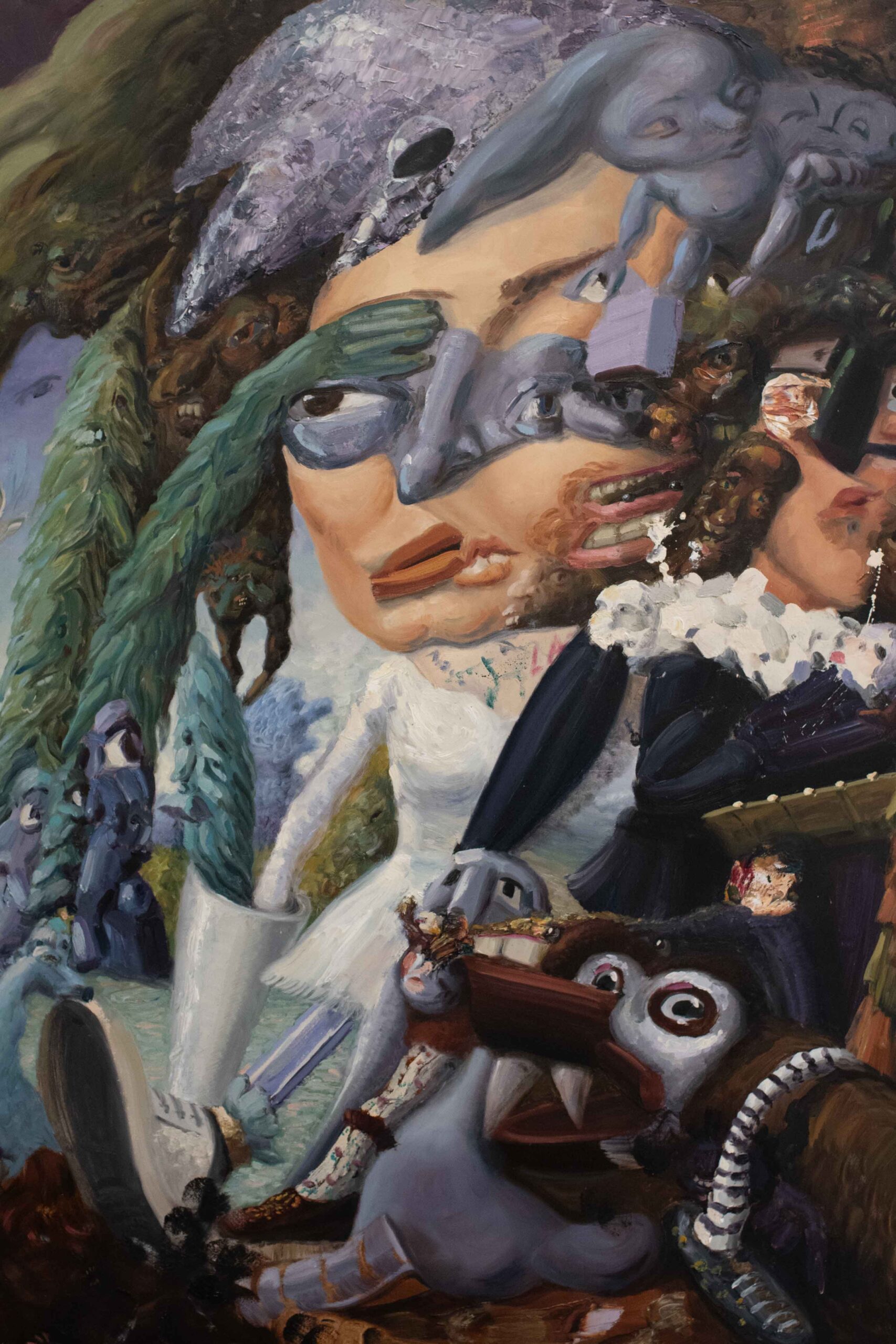
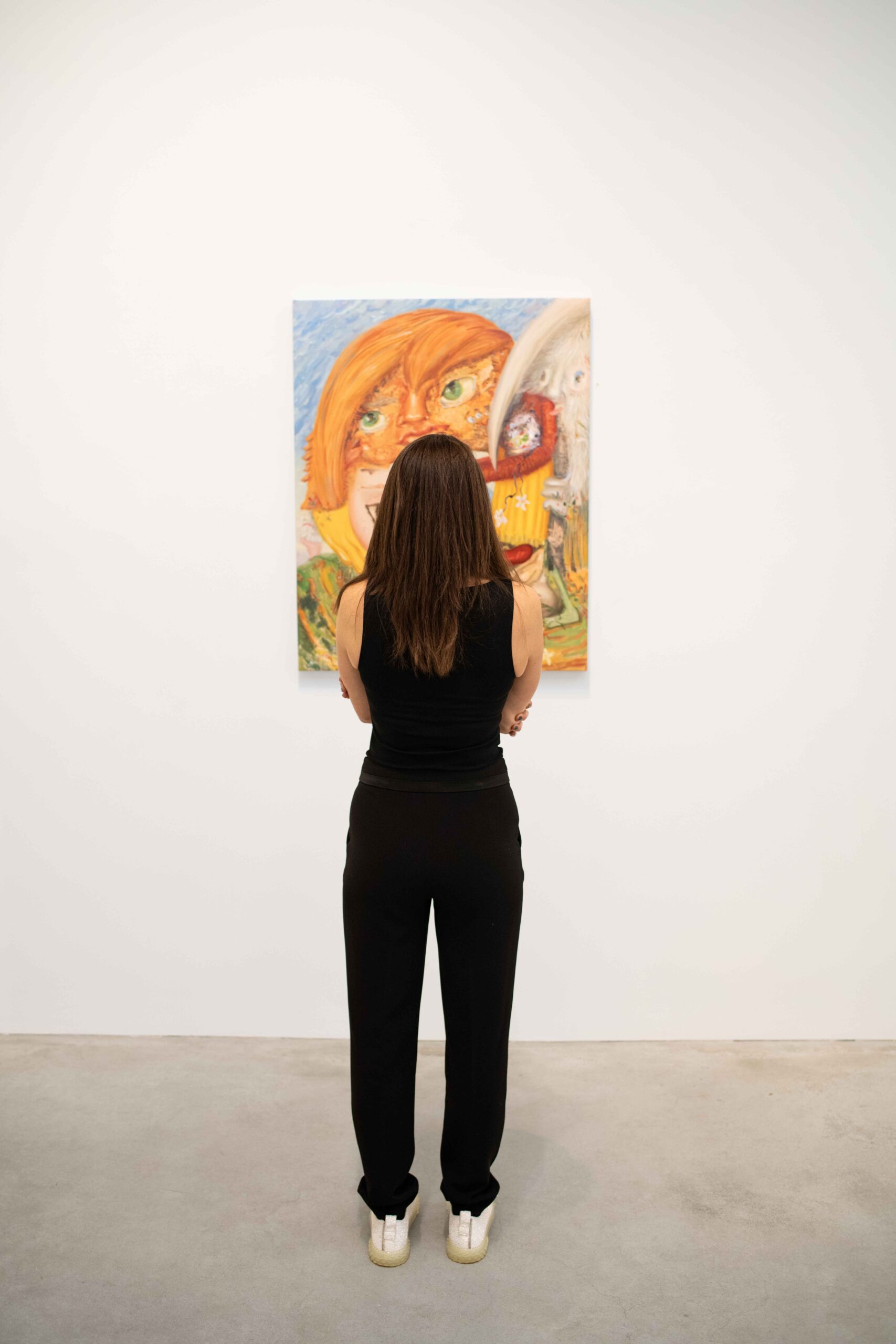
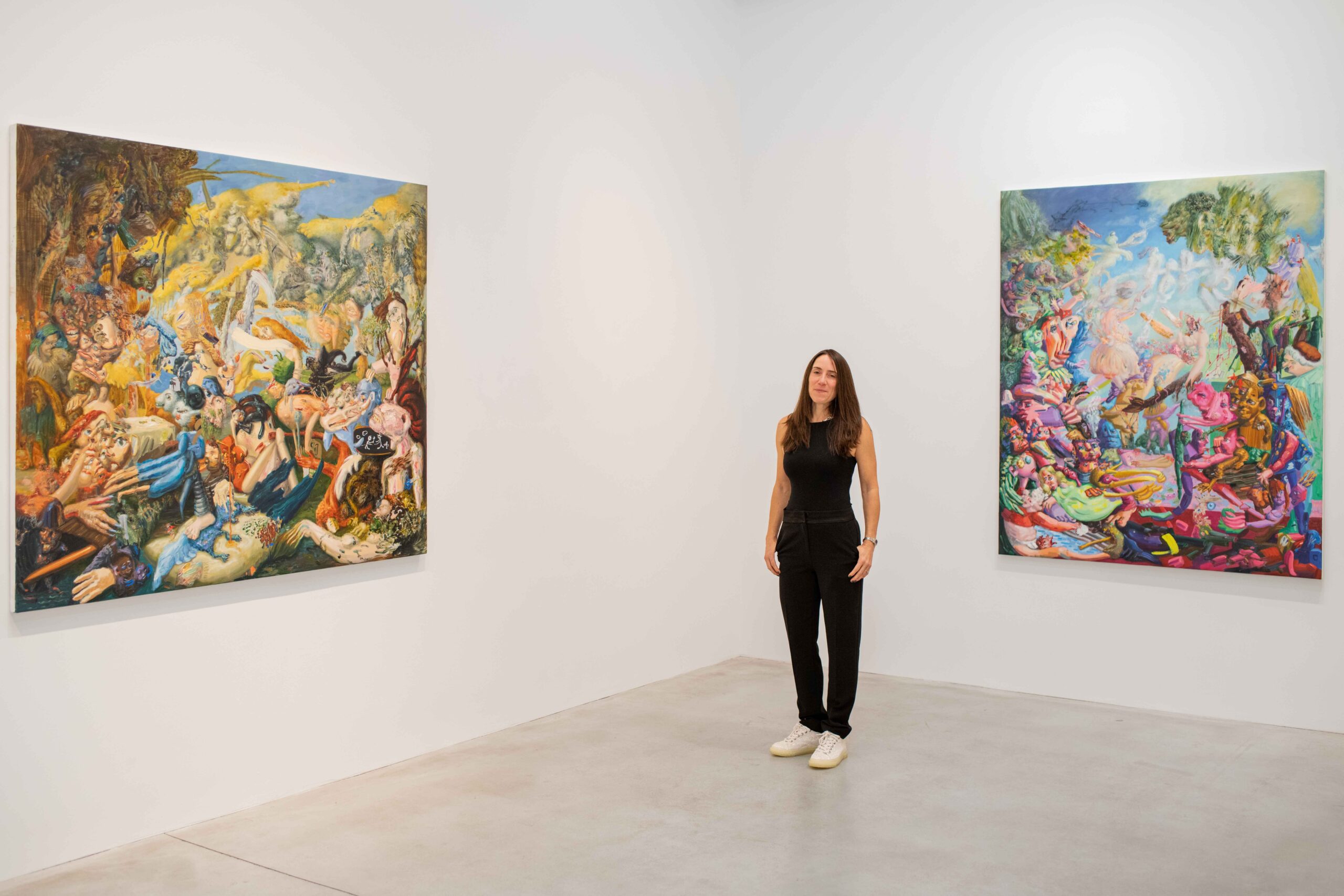
“There’s chaos in my paintings that I fix,” she says. “Then I create a new chaos, and I fix that too. It keeps growing into something stronger and more interesting. The disaster always becomes something new.”
Before prison, she had been working in fashion. But she had always drawn. Always painted. “When I found that again in prison, in the worst time that could happen to anyone, it reminded me who I was. It gave me strength and courage.”
One day, she sold a painting. Her first. “I couldn’t believe it,” she smiles. “I didn’t know people bought art. I didn’t know the art world was for people like me.”
That small act, someone buying her work, cracked open the world. After her release, she won a competition and a solo show at Pallant House Gallery in Chichester as part of the Outside In program. “That show got it all out of my system,” she says. “Everything I had been carrying. After that, I could move on.”
“In prison, when I found those old drawings, the doodles I used to do as a child, I remembered who I was. And I knew I could keep going.”
Her process today mirrors her journey. Each painting is a negotiation between destruction and recovery. “For people who’ve been through trauma, stress can become familiar,” she says. “You start reenacting it because it’s what you know. Painting stopped that for me. It meant I could get the chaos out in my work instead of my life.”
Two decades later, that cathartic urgency has evolved into something quieter, more reflective. “It’s still part of me,” she says. “But it’s transformed. It’s not about release anymore. It’s about building.”
Now her life is ruled by gratitude, not ghosts. “When bad things happen and you overcome them,” she says, “you want to live. You grab life by the hands. You think harder about your choices, the people around you.”
Her inspirations come from everywhere: podcasts, books, psychology, the strange wisdom of magical realism. “I love books that create other worlds you can escape into,” she says. “I’m fascinated by why we do what we do, by how things happen to us.”
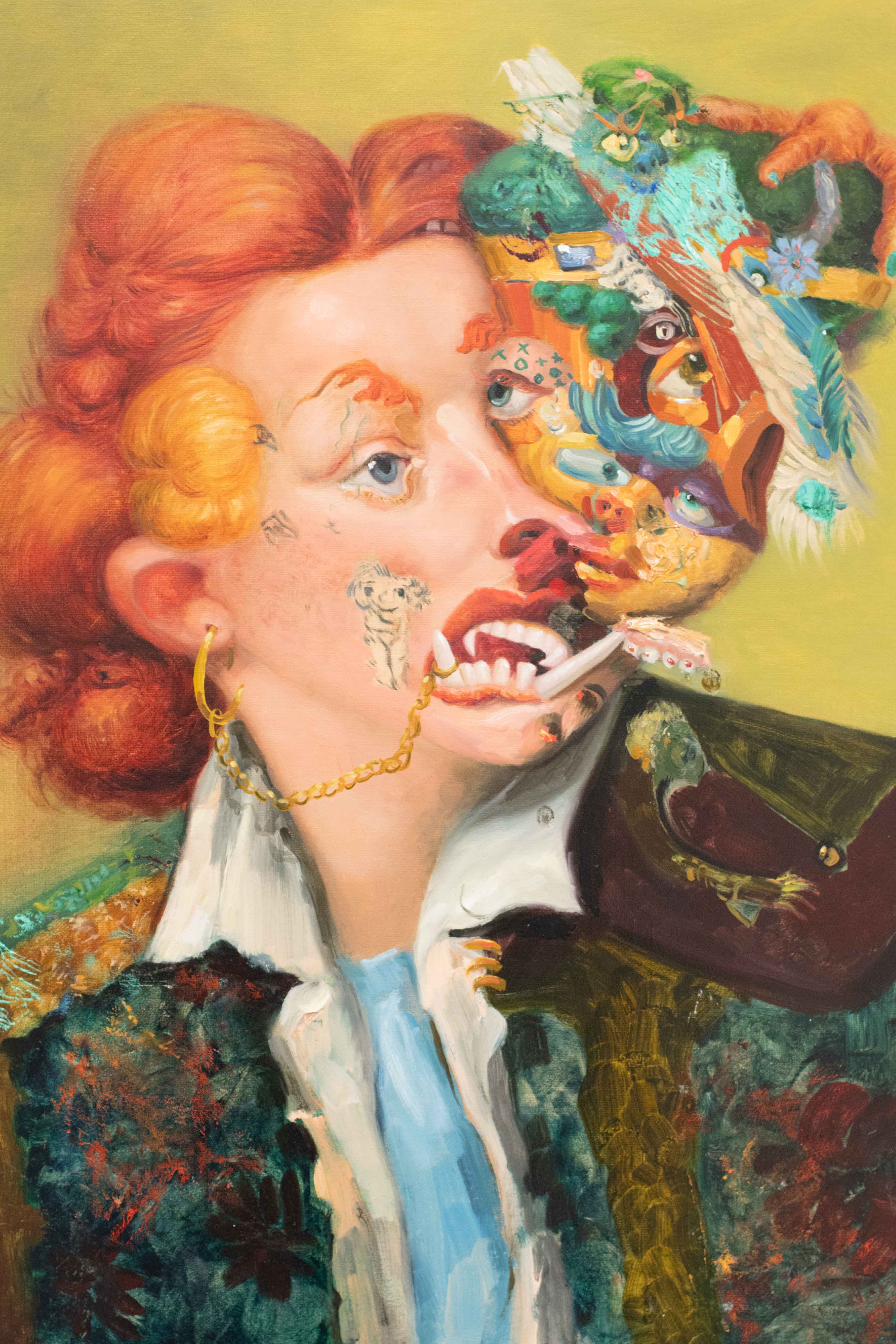
Lately, she has been exploring the idea of the self as many parts. “I bring all those parts into the studio now,” she says. “I don’t push them away. I let them paint too.”
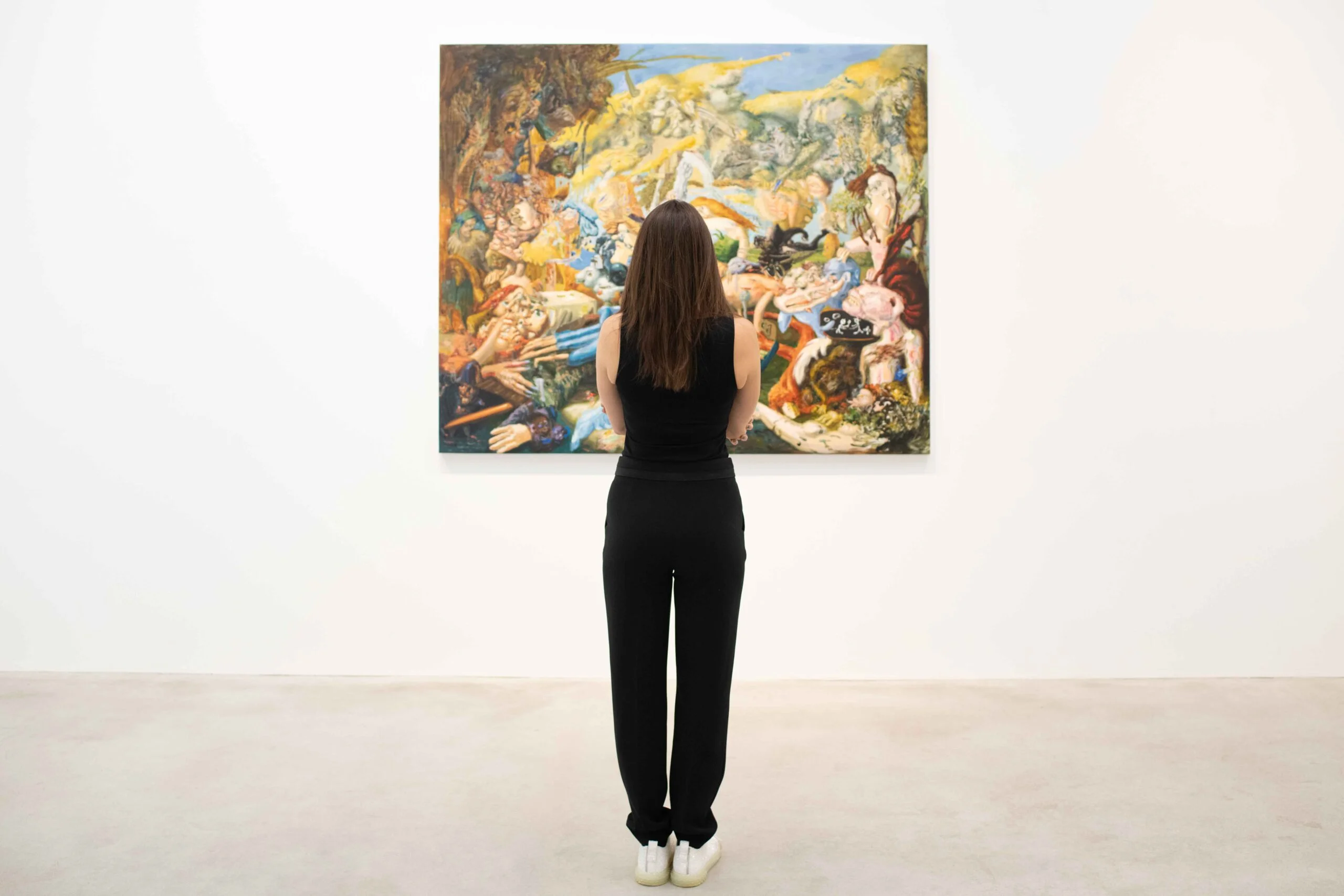
The conversation ends where her new chapter begins. New York. A sold-out show titled Forking Paths at Kravets Wehby Gallery. The disbelief that comes after survival. “It’s such a dream come true,” she says. “Not just because it sold, but because people believe in you. You can do what you love, and they want to support it. That’s magic.”
She pauses, thoughtful. “I’ve heard so many people talk about how hard the art world is. The doom, the gloom. I’ve stopped thinking that way. I just focus on what’s good. I think positivity changes the universe.”
Her optimism doesn’t come from denial. It comes from survival.
“I lean into joy now,” she says. “Because I know what the opposite feels like.”
And as she says it, you can feel it, the quiet strength of someone who has lived through her own undoing and built beauty from the wreckage.