Words and photography by Peter Koloff
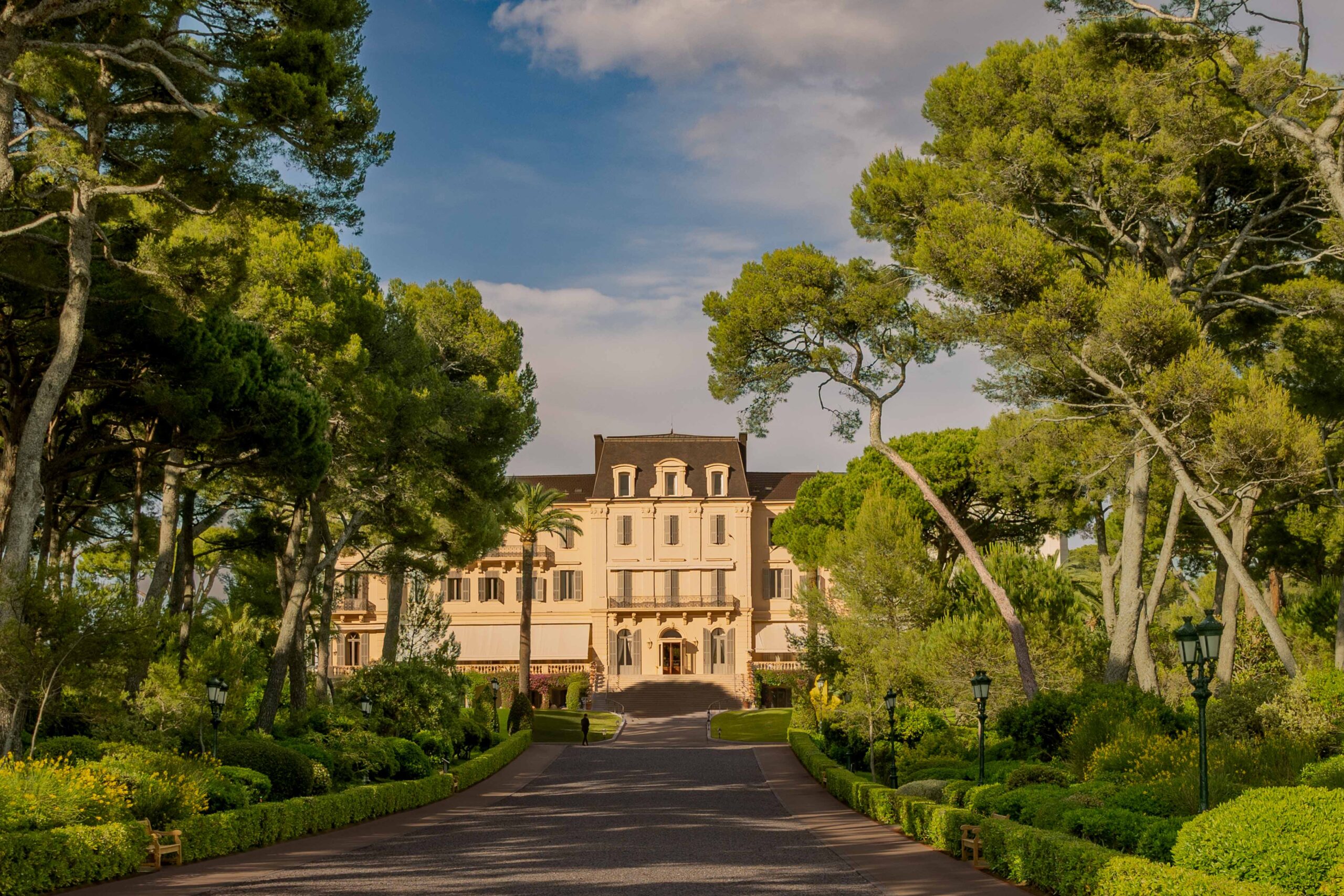
There is a particular quality of light on the Cap d’Antibes that painters have been chasing for more than a century. It arrives early, when the Mediterranean is still and the pine trees hold the last of the night’s cool, settling onto the stone pathways and pale walls of the Hôtel du Cap-Eden-Roc in a way that photographs never quite manage to capture. You can get close. You can get beautiful pictures. But the feeling itself remains stubbornly tied to the experience of standing there.
You have to be there.
That is, in many ways, the whole point.
The first thing I noticed wasn’t the hotel.
It was the birds.

The pines were full of them. Somewhere beyond the trees, I could hear seagulls moving across the water. The wind carried the smell of the Mediterranean up through the gardens before the sea itself came into view. By the time I reached the path overlooking the coastline, I had almost forgotten I was standing at one of the most famous hotels in the world.
That may be part of Eden-Roc’s appeal. The place never seems desperate to impress you. It simply exists, surrounded by light, sea, wind, and history, allowing the rest to happen on its own.
The hotel sits at the southern edge of the cape like a secret everyone already knows.


Since opening in 1870, it has attracted kings, artists, movie stars, industrialists, and writers, along with the occasional dreamer who somehow found themselves in the same room. Most luxury hotels promise exclusivity. Eden-Roc offers something rarer: continuity.
The modern world is very good at building luxury almost anywhere. Marble can be imported. Gardens can be designed. Service can be perfected.
History is a different matter entirely.
It is history, accumulated slowly and without any particular plan, that gives this place its weight.
The closest word for what draws people here is probably myth, though not mythology in any ancient sense. Something smaller and more personal than that. The quiet but persistent feeling that somewhere, under the right light and in the right place, life might become slightly larger than it was before.
The 1920s were the years that made the hotel legendary. Gerald and Sara Murphy, the American couple who helped transform the Riviera into a genuine cultural capital, filled their summers with artists, writers, musicians, and people who believed life should be lived creatively. Their circle included Pablo Picasso, Cole Porter, Ernest Hemingway, and F. Scott Fitzgerald, and it is difficult to think of another guest list that did more to shape how we imagine glamour.
What emerged from those years was not simply a social scene but something closer to a blueprint. Art and ambition at lunch. Conversation stretching late into the night. The sea just beyond the terrace. The constant sense that culture was not happening somewhere else but right there, around the table, among the people you happened to be sitting with.
That spirit has proven surprisingly durable.
Walk through Eden-Roc during the Cannes Film Festival and you find a different cast occupying familiar roles: filmmakers where the novelists once sat, founders where the industrialists used to be, fashion executives, investors, photographers, and entrepreneurs.
The names change with every generation.
The desire does not.
People still arrive carrying some version of the same hope: that proximity to a place, a person, an idea, or an opportunity might alter the trajectory of their lives. Some are looking for inspiration. Some for recognition. Some for access. Most are looking for something they would struggle to describe out loud.
The Riviera has been attracting that particular mixture of ambition, curiosity, and longing for more than a century.
One afternoon I found myself walking one of the stone paths that winds through the pines toward the sea. Nothing remarkable was happening. No celebrities. No parties. No grand arrival. Just the sound of wind moving through the trees and the occasional crash of water against the rocks below.
It struck me that this was probably the same sound Fitzgerald heard.
The same breeze moving through the same trees.
The same horizon sitting exactly where it has always been.
A hundred years had passed. Entire industries had risen and fallen. Wars had come and gone. Technology had transformed nearly every aspect of daily life.
Yet the landscape remained stubbornly indifferent to all of it.
History felt unusually close as a result, not preserved behind glass the way it is in museums but alive and present in the texture of the place itself.
Below the hotel, the rocks where guests have always swum and argued and laughed and occasionally fallen in love remain exactly where they have always been. The water is still impossibly blue. The sunsets still stop conversations mid-sentence. The wind still moves through the pines the way it did when Picasso was studying the coastline and Fitzgerald was quietly collecting material for a novel.
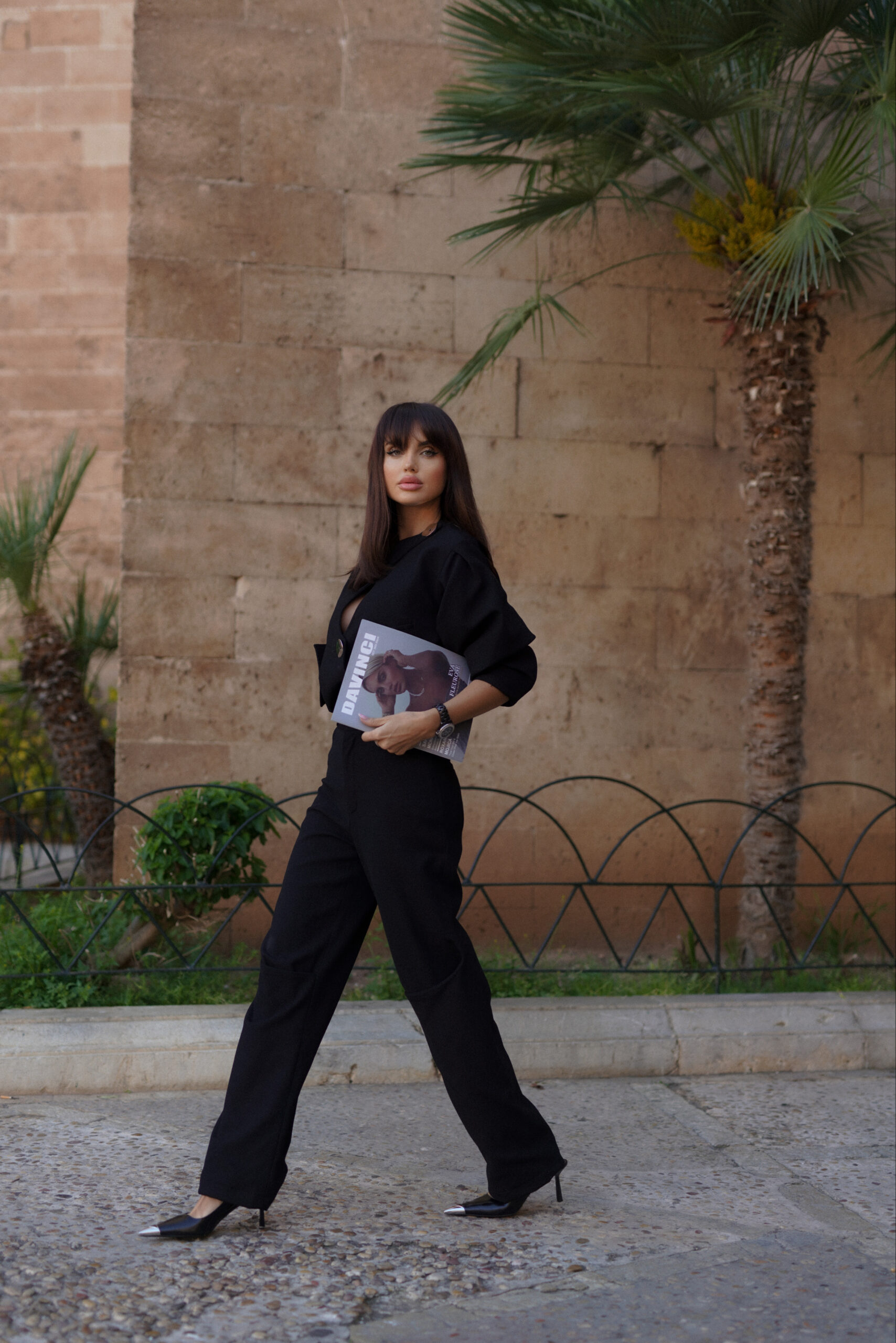
One afternoon, while photographing Mia and Laura along the coastline below the hotel, I was struck by how quickly people can become part of the landscape. Against the yachts, the rocky shoreline, and the endless blue of the Mediterranean, they seemed perfectly at home, as though they had stepped naturally into a scene that has inspired photographers, artists, and writers for generations.
People often describe a particular sensation during their first evening at Eden-Roc. The terrace fills as the sun begins to disappear into the Mediterranean, glasses catch the last amber light, and conversations soften without anyone quite deciding they should.
It is not the feeling of arriving somewhere expensive.
It is the feeling of arriving somewhere that genuinely matters.
And those are increasingly different things.
What places like Eden-Roc offer, and what the modern world finds increasingly difficult to manufacture, is accumulated meaning, the sense that a place has mattered to ambitious and creative people across many generations.
Fitzgerald found one version of his story here. Picasso found another. The guests who arrive today bring their own. The hotel receives them exactly as it always has, with that extraordinary light falling on old stone, the sea stretching out below the rocks, and the quiet confidence of a place that no longer needs to explain itself.
For more than a century, people have arrived here hoping something might happen. Some leave disappointed. Some leave transformed. Most leave with a story.
That may be Eden-Roc’s real luxury.