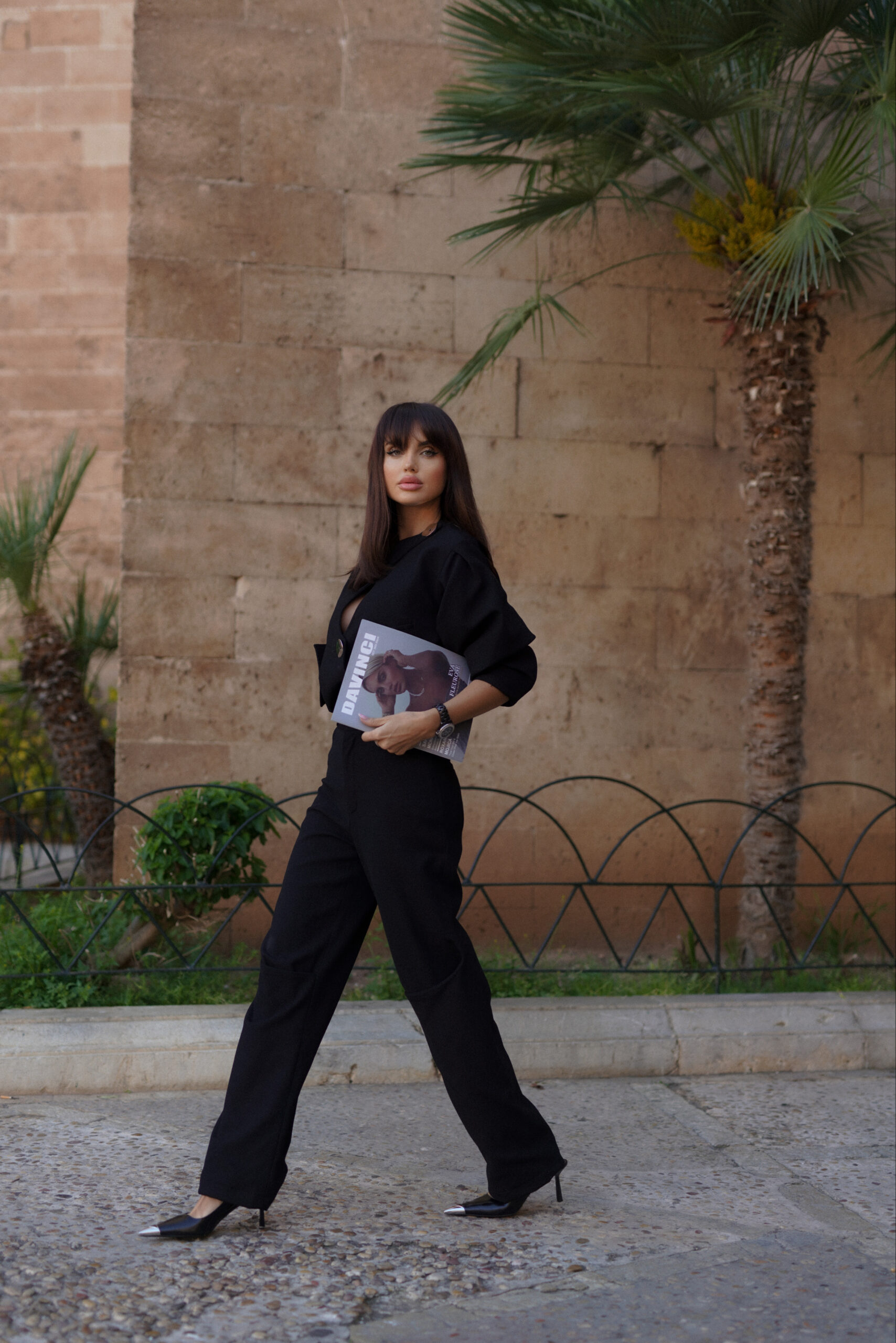
Amelia Ross did not start out with dreams of runways or magazine covers. She was a bold, expressive child, but the idea of modeling seemed out of reach. That changed when she was scouted at fifteen. Today, Amelia Ross is much more than a model. She is a storyteller, podcast host, and mentor who is using her voice to reshape how the fashion industry operates and how young talent navigates it.

The Beginning of Amelia Ross
Amelia was never chasing the spotlight. “People used to tell me I should model, but I didn’t take it seriously,” she says. That changed when professionals in the industry recognized her potential. Her first photo shoot was for House of Cards. She remembers being nervous but excited, and although she felt the pressure, she also felt something click.
“That day showed me this could be something real,” she says. “It gave me direction and purpose.”
Building Strength Behind the Scenes
At first, Amelia thought modeling was all about appearance. It didn’t take long to learn that success relies on emotional strength, preparation, and professionalism. She faced rejection often, and it took intentional self-work to stay grounded. Journaling, daily meditation, movement, and strong personal relationships helped her separate her self-worth from casting outcomes.
She also learned to block out the noise of changing beauty standards. “I had to keep coming back to who I am outside of this industry. That’s what keeps me moving forward.”

A Moment That Changed Everything
One of Amelia’s proudest achievements was landing the cover of Harper’s Bazaar Hong Kong. “That was the moment where I paused and said, I really did that.” It marked a turning point in her confidence and gave her proof that the work she was doing mattered.
But Amelia says her most powerful moments happen on set when the energy is aligned. “When the lighting is perfect, the team is excited, and I’m wearing something that makes me feel strong, that’s when I know I’m in the right place.”
Style That Speaks to Mood
Amelia’s personal style can be summed up in three words: minimal, timeless, and comfortable. She gravitates toward designers like Miu Miu, Tory Burch, and Jacquemus because their collections blend simplicity with quiet sophistication.
She is not someone who chases trends. Instead, she builds each outfit around how she wants to feel. “If I want to show up grounded, or bold, or soft, I dress to match that energy.”
Her coats, in particular, hold sentimental value. “Each one reminds me of a city or a season in my life. They carry so many memories.”
Creating Space with The Model Diaries
Amelia launched The Model Diaries podcast to open up space for real conversations about life behind the camera. “So much happens behind the scenes that never gets talked about. I wanted to create a platform where models could share their truth.”
The show covers everything from career transitions to mental health and the realities of rejection. In one upcoming episode, Amelia sits down with Isabelle Mathers to talk about personal branding, knowing your worth, and taking creative control of your career.
“The goal is to prepare people, inspire them, and give them tools to thrive,” she says.

Advice for New Models
Her message to aspiring models is simple. “Start by building confidence from the inside. Practice posing, take your own photos, write your goals, and get clear on your ‘why.’”
She encourages new talent to research agencies, create clean digitals, and surround themselves with people who support their vision. “Modeling is not just about being picked. It’s about knowing what you bring to the table.”

What’s Next for Amelia Ross
Amelia is growing The Model Diaries globally with plans for live events, more mentorship, and a new business initiative. She wants to create programs that help new models enter the industry with clarity, strategy, and self-respect.
There are more campaigns in the pipeline and a lot of international travel on the horizon. But Amelia says this chapter is more about building something lasting.
“I want to be remembered not just for the photos, but for how I helped shape the conversation. That’s the real legacy.”