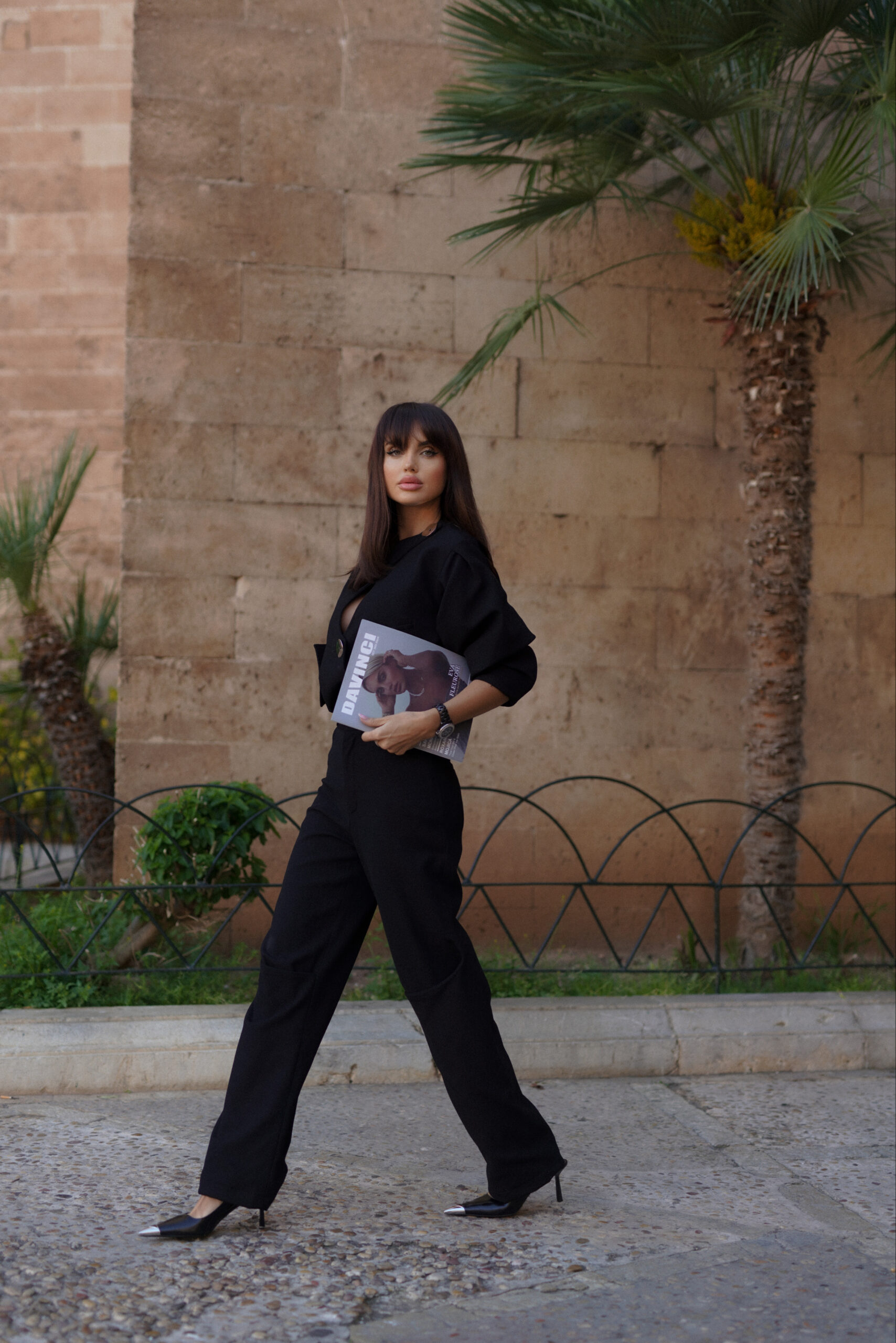


Luxury fashion is no longer just about status, craftsmanship, or exclusivity. In 2025, the industry experienced a major shift. Sustainable luxury fashion moved from the margins to the mainstream, setting a new standard that blended innovation, ethics, and aesthetics at the highest level.
What was once dismissed as a passing trend has become the driving force behind design and business strategy. Major fashion houses, including Chanel, Gucci, and Balenciaga, embraced sustainability not as a PR play but as a core value. From carbon-neutral runways to eco-certified materials, these brands have made it clear that luxury can be responsible without losing its edge.
Pioneers like Stella McCartney and Gabriela Hearst laid the groundwork years ago, but 2025 marked a turning point. Circular design, low-impact production, and regenerative materials are no longer experimental. They are now essential elements in creating collections that reflect both creativity and conscience.
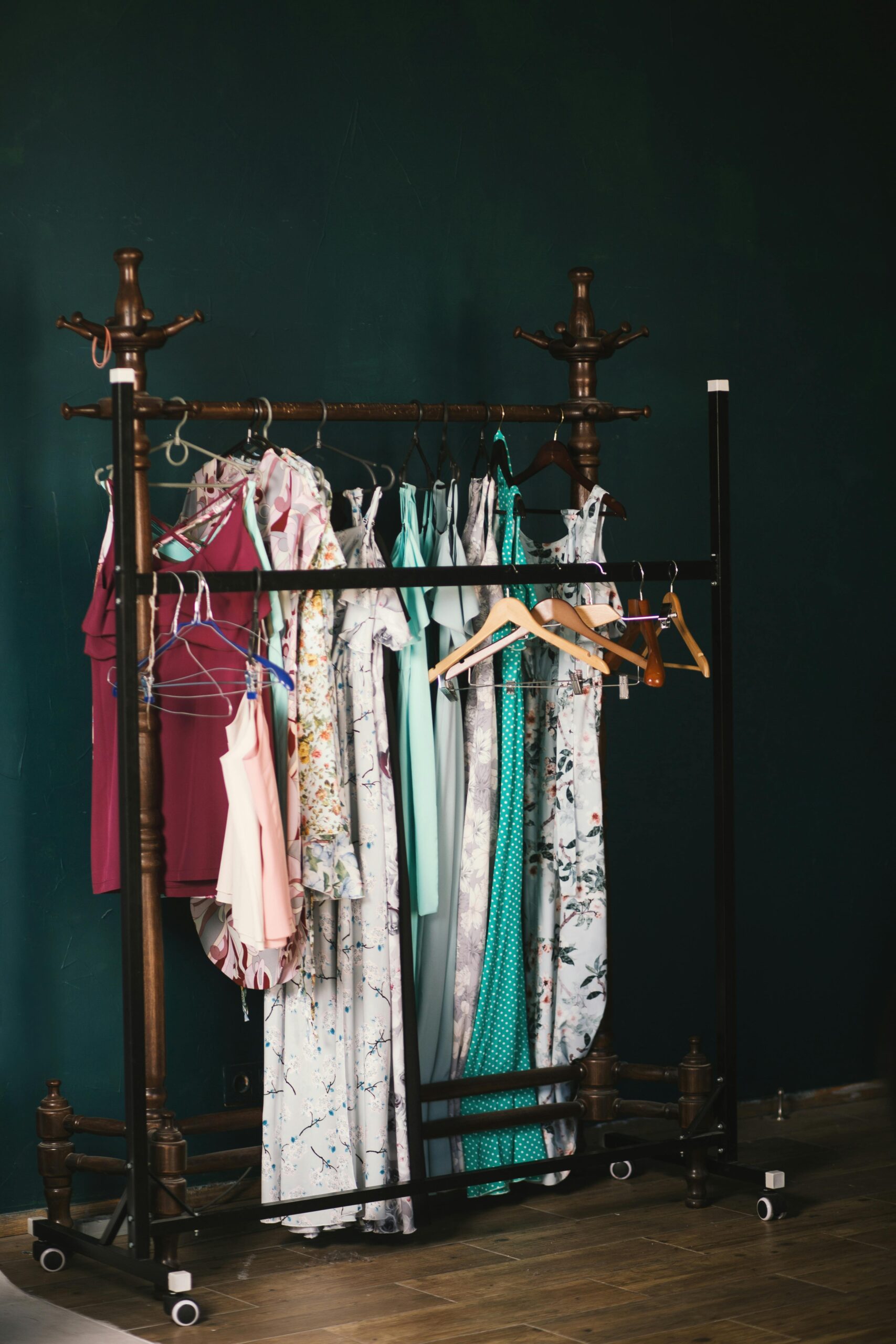
At the same time, a new generation of designers helped redefine what sustainable fashion can look like. Brands such as Pangaia, Marine Serre, and Gabriela Hearst are using advanced techniques and alternative materials like mushroom leather, lab-grown textiles, and algae fibers. These innovators are not sacrificing beauty for sustainability. They are proving that the two can work together in powerful and visually striking ways.
The biggest pressure, however, has come from the consumer. Today’s luxury shopper is informed, curious, and values transparency. They want to know where a garment came from, who made it, and what impact it had on the planet. In 2025, QR codes on clothing tags reveal the entire production story. Sustainability is no longer hidden in the fine print. It is front and center, part of the overall experience.
Much of this shift has been driven by Gen Z, who are reshaping the conversation through social media. They are holding brands accountable, elevating designers who walk the talk, and pushing for authenticity in an industry that once thrived on illusion. For them, buying less but better is not a slogan. It is a lifestyle.
Sustainable luxury fashion in 2025 also makes sense from a financial standpoint. Investors are prioritizing companies with strong ESG performance. Luxury conglomerates like LVMH and Kering are responding by funding innovations in sustainable textiles, green manufacturing, and closed-loop production systems. These are not one-off initiatives. They are part of long-term strategies that align growth with global responsibility.
Technology is accelerating this evolution even further. Artificial intelligence is helping designers reduce waste by creating virtual samples before anything is physically made. 3D printing and on-demand production are reducing inventory and energy use. Even the concept of fashion is expanding, with digital garments entering the conversation as viable alternatives to physical ones.
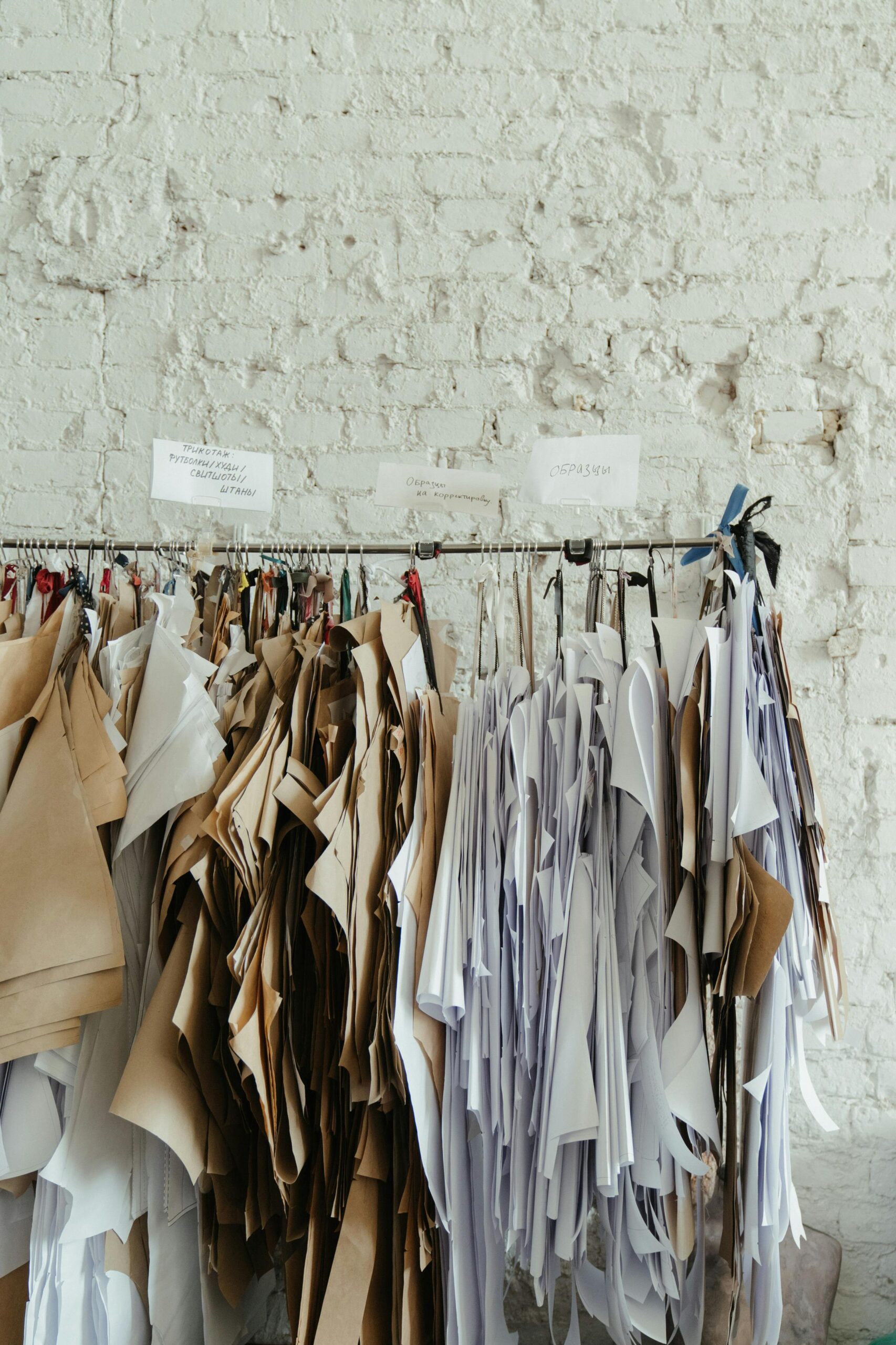
In 2025, sustainability in luxury is no longer viewed as a limitation. It is a creative opportunity. It challenges designers to think deeper and pushes brands to act with integrity. The result is a more thoughtful industry that remains visually exciting while becoming more aligned with the values of its audience.
Sustainable luxury fashion has officially moved beyond the hype. It has become the blueprint for where fashion is going and what modern consumers expect. It is not about doing less harm. It is about creating a future where luxury contributes to something greater than just style.
If fashion reflects culture, then 2025 shows us a culture waking up to its impact and choosing to design a better way forward.