
From Byredo’s Billion-Dollar Sale to Melyon: How Raouf Farhat Is Reframing Luxury Beauty
When Puig acquired Byredo in 2022 for more than a billion dollars, most people only saw the obvious: the sleek minimalist packaging, the devoted following, and the distinct aesthetic that turned the Stockholm-based brand into a modern luxury powerhouse.
Far fewer noticed the people working behind the scenes to turn that cultural heat into real business value.
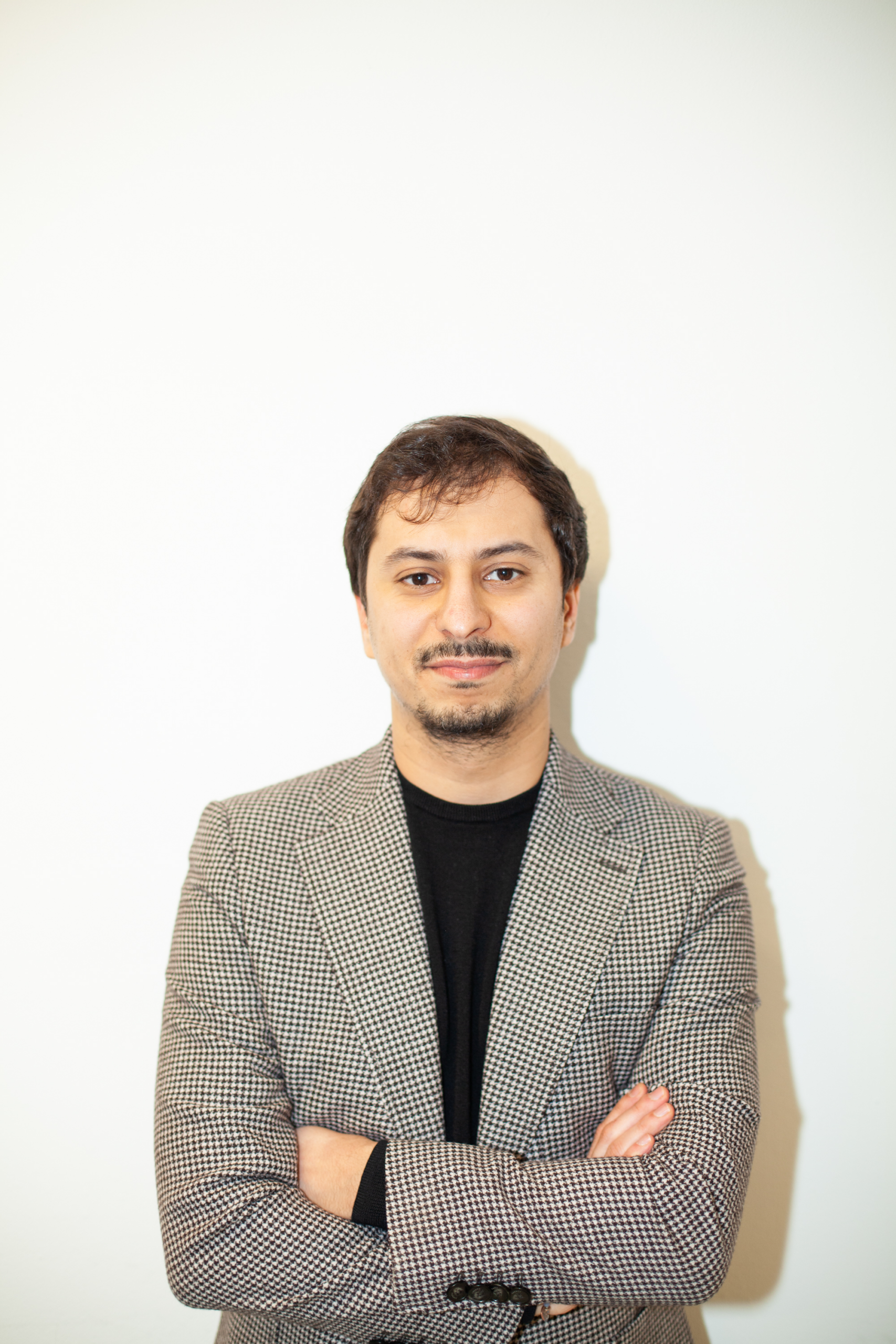
Raouf Farhat was one of them.
Over eight years at Byredo, the French-born executive was responsible for the Scandinavian markets. He operated at the crossroads of commercial strategy, creative operations, and distribution, helping grow the regional business from roughly €2 million to €9 million in revenue.
He was also one of the few brought into the due diligence process ahead of Puig’s acquisition, an experience that gave him a front-row seat to one of the biggest luxury beauty deals of the past decade.
That chapter clearly shaped how he approached the next step in his career.
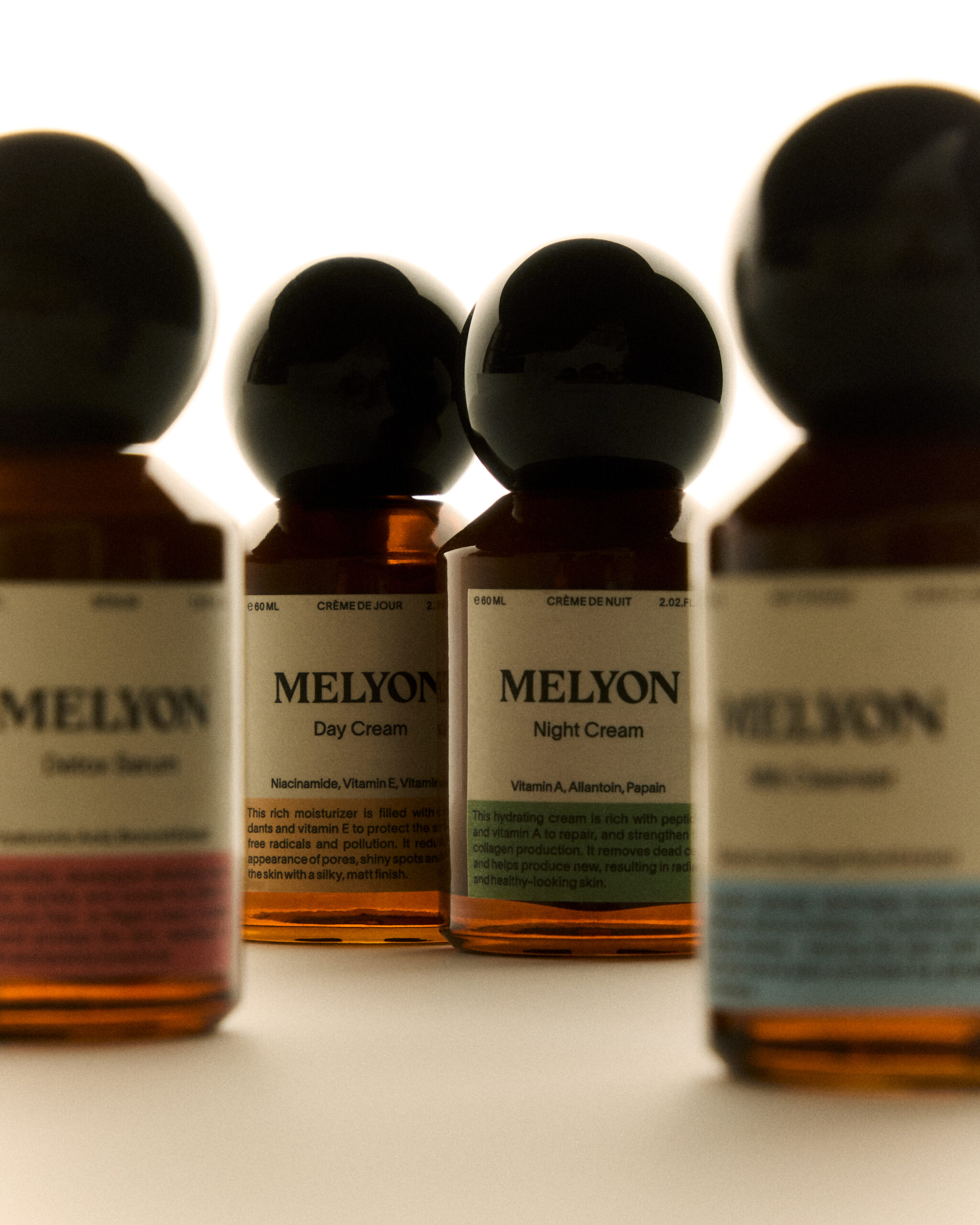
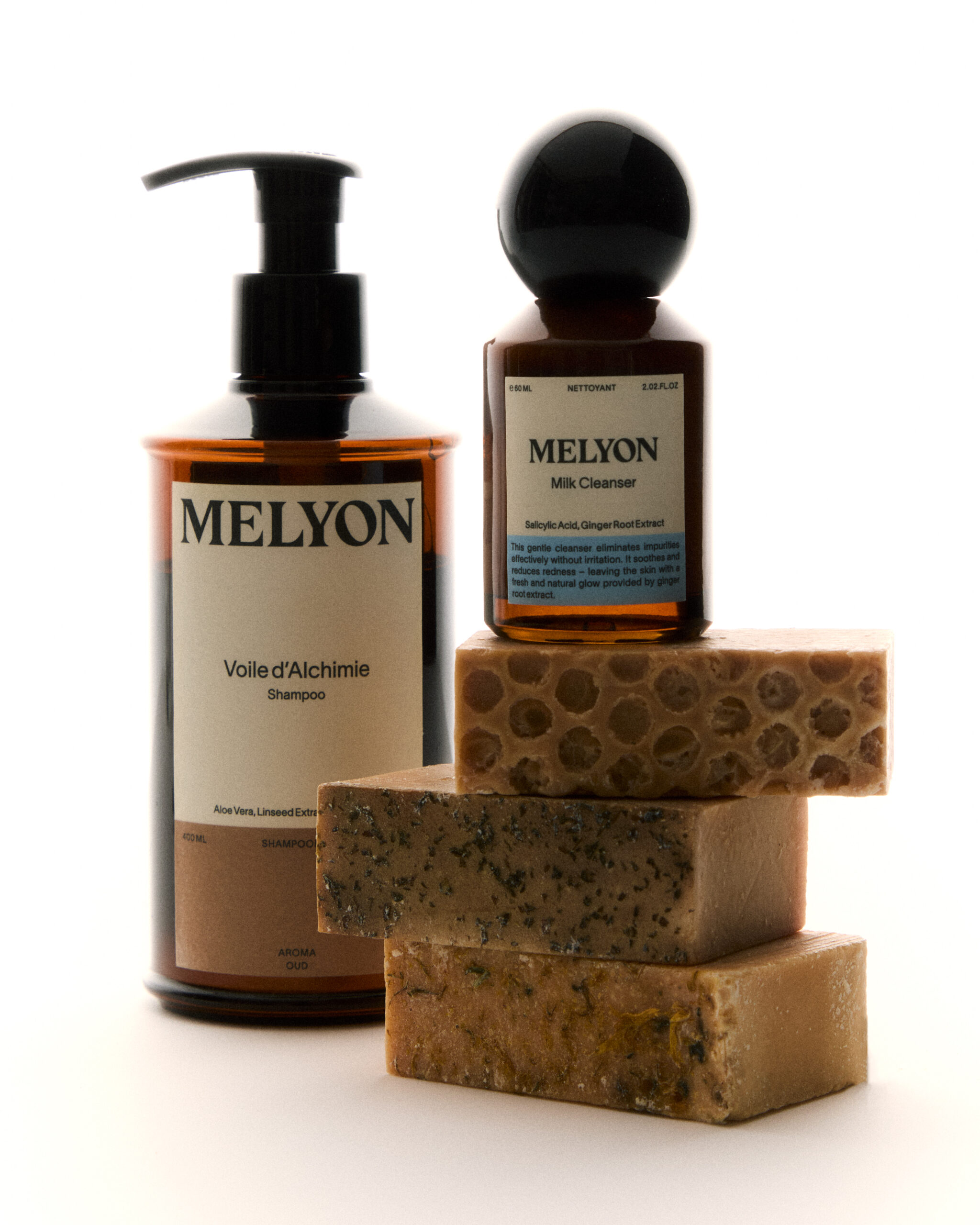
In 2020, Farhat co-founded Melyon with Roger Dupé. Their vision was to build a Swedish luxury beauty brand that proved inclusivity and true high-end craftsmanship could actually strengthen each other.
“Luxury is not a price tag,” Farhat says. “It is a feeling.”
Understanding Luxury From the Inside
Not many executives in prestige beauty move comfortably between the commercial and creative sides the way Farhat does. At Byredo, he worked close to both the operational engine and the creative heart of the brand. That double perspective gave him a grounded view of how luxury value is actually built.
For many, luxury is mostly about aesthetics.
For operators, it’s about systems and details.
“A fragrance brand does not become a billion-dollar acquisition purely because of packaging or campaigns,” Farhat says. “It becomes one because every layer compounds into perceived value over time.”
One moment that stayed with him was the Byredo x Off-White collaboration. What impressed him wasn’t just the hype, it was how genuine it felt.
“It never felt like a marketing exercise,” he says. “Consumers immediately felt the authenticity behind it.”
That idea became a guiding principle for Melyon: luxury should be emotional at its core. Every choice, from formulation and packaging to sourcing and storytelling, contributes to that feeling.
“The most powerful luxury brands are not built on aspiration alone,” he says. “They are built on emotion as currency.”
Building Melyon
The idea for Melyon came from something Farhat observed while working inside the luxury beauty world: the industry had gone global, but its idea of luxury often remained surprisingly narrow.
He believes many traditional brands treat inclusivity as a marketing checkbox or simply lower the price. For him, that misses the point.
“Inclusivity is not about lowering the price point,” Farhat says. “It is about making someone feel seen at the highest level of craft and intention.”
So instead of adding inclusivity later, Melyon was built with it in the foundation.
“You cannot retrofit inclusivity,” Farhat says. “It has to exist from the first sketch to the final formulation.”
Since launching, the brand has landed in respected retailers including Saks Fifth Avenue, SSENSE, LuisaViaRoma, Browns Fashion, and Skins Cosmetics, while expanding internationally. In 2025, Melyon introduced a body collection, moving into the overlap between luxury beauty and wellness, and opening doors with premium hospitality partners looking for values-driven amenities.
Creation Without Execution Is Fantasy
One of Farhat’s clearest strengths is that he’s never lived purely on one side of the creative-versus-operational divide. He learned to work in both worlds at once.
“Creation without execution is fantasy,” he says.
“The most poetic idea means nothing if you cannot bring it to life at the level of quality the concept demands,” he says.
That kind of operational discipline matters more than ever now. Younger consumers look past pretty visuals, they judge brands on whether they’re coherent and authentic.
The old luxury model built on distance and aspiration is changing.
“Younger consumers want to belong, not just buy,” Farhat says.
For him, the future of luxury beauty goes beyond products themselves.
“The product is the entry point,” he says. “Emotion is what makes people stay.”
In an industry long defined by aspiration through distance, Melyon is placing a different bet, one rooted not just in image, but in genuine recognition.